

Are you planning a trip to the UAE soon? Before you pack your bags, it’s crucial to know the latest travel advisory for the United Arab Emirates.
Understanding the current safety measures, entry requirements, and local laws can make your journey smoother and stress-free. This guide will help you uncover everything you need to stay safe and enjoy your time in this vibrant destination. Keep reading to discover essential tips and updates that could change how you prepare for your UAE adventure.
Your peace of mind starts here.
Contents
Safety Tips
Traveling to the UAE requires attention to safety rules to ensure a smooth trip. The country has clear laws and cultural practices that visitors must respect. Knowing essential safety tips can help avoid trouble and make your visit more enjoyable.
Local Laws And Customs
The UAE has strict laws. Respect public decency and dress modestly. Avoid public displays of affection as they are not accepted. Alcohol consumption is allowed only in licensed places. Do not take photos of government buildings or military sites. Always carry your ID or passport with you.
Avoiding Restricted Items
Some items are illegal in the UAE. Drugs and weapons are strictly banned. Prescription medicines must have a doctor’s note. Avoid bringing items with offensive or political content. Check customs rules before packing. Confiscation and fines can occur for restricted goods.
Behavioral Guidelines
Be polite and patient in public. Avoid loud or aggressive behavior. Respect Ramadan rules if visiting during the holy month. Do not insult religion or the ruling family. Follow traffic rules and use seat belts. Always ask before photographing people, especially women.
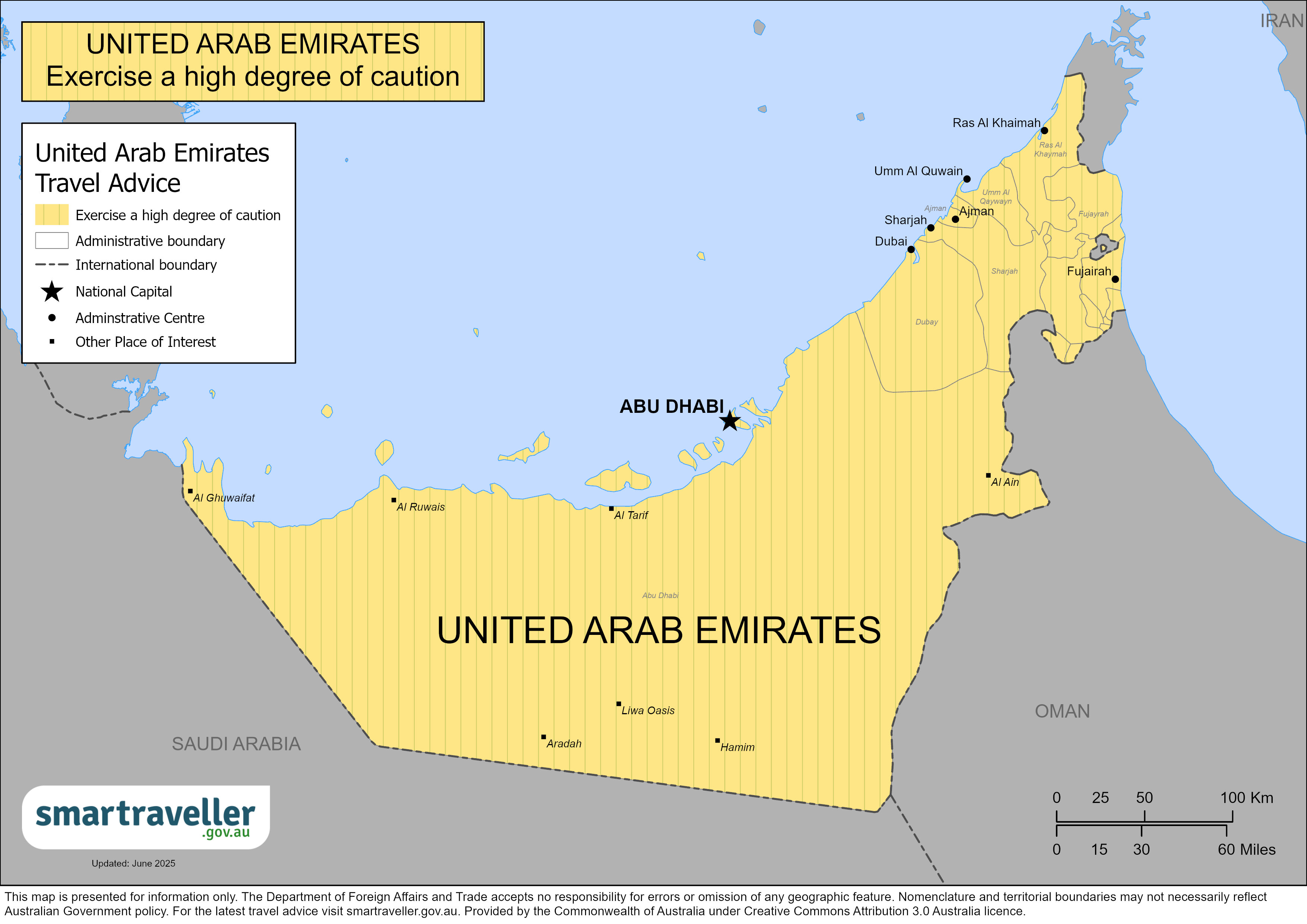
Credit: www.smartraveller.gov.au
Entry Requirements
Entering the UAE requires travelers to follow specific rules. These rules help keep travel smooth and safe. Understanding entry requirements before your trip saves time and prevents problems. The main areas to focus on are visas, passport rules, and health protocols.
Visa Procedures
Most visitors need a visa to enter the UAE. Some countries have visa-free access or get visas on arrival. Tourist visas vary by length and type. Applying online or through airlines is common. Visitors must submit documents like passport copies and photos. Approval times depend on visa type and country.
Passport Validity
Your passport must be valid for at least six months. This rule applies to all travelers. Passports close to expiry risk denied entry. Check your passport date well before booking flights. Renew early to avoid last-minute issues at the border.
Covid-19 Protocols
The UAE has specific health rules for travelers. Proof of vaccination or negative tests may be required. Mask-wearing in airports and planes is often mandatory. Rules change with the global health situation. Always check the latest updates before travel.
Health Precautions
Taking health precautions is crucial for a safe trip to the UAE. The country has modern healthcare but being prepared helps avoid problems. Understanding vaccination needs, medical facilities, and travel insurance can make your journey smoother and safer.
Small steps in health preparation can protect you from common illnesses and unexpected situations. Staying informed about the latest health advice is important before you travel.
Vaccination Recommendations
Travelers should check which vaccines are needed before visiting the UAE. Routine vaccines such as measles, mumps, and rubella are advised. Hepatitis A and B vaccines are recommended for many visitors. Some travelers may need typhoid or rabies shots based on activities planned. Consult a healthcare provider at least four weeks before travel for personalized advice.
Medical Facilities
The UAE offers high-quality medical care in major cities. Hospitals and clinics are modern and well-equipped. English-speaking staff are common in most medical centers. Emergency services are reliable and fast. Rural areas may have fewer facilities, so plan accordingly. Carry a list of nearby hospitals and emergency numbers when traveling.
Travel Insurance
Travel insurance is essential for all visitors to the UAE. It should cover medical emergencies, hospital stays, and repatriation. Many hospitals require proof of insurance before treatment. Insurance can protect against unexpected costs from accidents or illnesses. Purchase a policy that suits your health needs and travel plans.
Transportation Advice
Traveling in the UAE offers various transportation choices. Knowing the local rules and options helps you move safely and easily. This section covers essential tips on public transport, driving, and airports.
Public Transport Options
The UAE has a good public transport system. Buses run between cities and inside towns. Dubai’s metro is clean, fast, and safe. It connects major areas and tourist spots. Taxis are widely available and affordable. Always use licensed taxis for safety. Ride-hailing apps like Uber and Careem also work well.
Driving Rules
Driving in the UAE requires a valid license. Visitors can use an international driving permit. The speed limits are strictly enforced with cameras. Seat belts are mandatory for all passengers. Do not use a mobile phone while driving. Watch out for sudden lane changes by other drivers. Drink driving is illegal and severely punished.
Airport Tips
Major airports in the UAE are modern and well-organized. Arrive early to allow time for security checks. Follow the signs carefully to find your gate. Keep your passport and boarding pass ready. Airport staff are helpful if you need assistance. Many airports offer free Wi-Fi and charging stations. Use official airport taxis or transport services only.
Security Concerns
The United Arab Emirates is a popular destination. Travelers should know about security concerns before visiting. Staying informed helps ensure a safe and smooth trip.
The UAE has strong security measures but remains aware of potential risks. Understanding these risks helps visitors stay alert and prepared.
Terrorism Threats
The UAE faces a low but present risk of terrorism. Authorities work hard to prevent attacks. Public places, airports, and tourist sites have tight security. Visitors should stay vigilant and report suspicious activities immediately.
Regional Tensions
The Middle East has ongoing regional conflicts that affect the UAE. Tensions can lead to sudden changes in travel conditions. Travelers should monitor news and official updates. Avoid demonstrations and large gatherings to stay safe.
Emergency Contacts
Keep important numbers handy during your stay in the UAE. Dial 999 for police, 998 for ambulance, and 997 for fire emergencies. Contact your embassy if you need help. Having these contacts ensures quick assistance in urgent situations.
Cultural Etiquette
Understanding cultural etiquette in the UAE is essential for a respectful visit. The country blends modernity with deep-rooted traditions. Respecting local customs helps avoid misunderstandings and shows appreciation for Emirati culture.
Visitors will find that simple gestures make a big difference. Learning about dress codes, public behavior, and religious sensitivities enriches the travel experience. It also ensures smooth interactions in daily life and social settings.
Dress Code
The UAE values modesty in clothing. Both men and women should wear clothes that cover shoulders and knees. Avoid tight or transparent outfits in public places. In mosques, women must cover their hair with a scarf. Dress neatly to show respect for local culture.
Public Behavior
Public displays of affection are not accepted. Holding hands is allowed for married couples only. Loud arguments or rude gestures can cause offense. Be polite and calm in public spaces. Respect personal space and avoid staring at strangers.
Religious Sensitivities
Islam is the official religion in the UAE. Avoid eating, drinking, or smoking in public during Ramadan daylight hours. Non-Muslims should not enter prayer areas in mosques. Show respect during call to prayer times. Understanding religious practices helps build trust and harmony.
Financial Tips
Managing money wisely enhances your travel experience in the UAE. Understanding financial tips helps you avoid trouble and enjoy your trip without stress.
Currency And Payments
The UAE uses the dirham (AED). Carry some cash for small shops and taxis. Credit cards work in most places. ATMs are widely available. Inform your bank before traveling to prevent card blocks.
Avoiding Scams
Be cautious when exchanging money. Use official exchange offices or banks only. Avoid street exchangers offering better rates. Watch out for fake notes. Keep an eye on your belongings in crowded areas.
Tipping Practices
Tipping is common but not mandatory. Round up bills or give 10% in restaurants. Porters and taxi drivers appreciate small tips. Always tip in cash. This shows respect and gratitude for good service.
Communication
Communication is key to a smooth trip in the UAE. Clear contact and internet access help you navigate the cities, plan your days, and stay safe. Understanding how to stay connected makes your travel easier and more enjoyable.
Sim Cards And Internet
Buying a local SIM card is simple and affordable. Major providers like Etisalat and Du offer good coverage across the UAE. You can purchase SIM cards at the airport, malls, and official stores. A data plan helps you use maps, translation apps, and call home without extra charges. Free Wi-Fi is common in hotels, cafes, and shopping centers but may be slow or require registration.
Language Tips
Arabic is the official language in the UAE, but English is widely spoken. Most signs, menus, and official information are in both languages. Learning basic Arabic greetings like “Salam” (hello) or “Shukran” (thank you) can create positive impressions. Use simple English for clear communication. Mobile apps for translation can assist in tricky situations.
Staying Connected
Keep your phone charged and carry a portable charger. Use messaging apps like WhatsApp or Telegram to contact friends and services. Public places may have limited cellular signal, so plan ahead. Register with your embassy or travel service for emergency alerts. Staying connected ensures help is never far away.
Travel During Events
Traveling to the UAE during events offers a vibrant and unique experience. The country hosts many celebrations and festivals that attract visitors worldwide. These events often change the travel dynamics, affecting accommodation and transport. Understanding these changes helps plan a smooth trip. Below are key points to consider when traveling during events in the UAE.
Peak Tourist Seasons
The UAE sees high tourist numbers in winter months, from November to March. The weather is cooler and more pleasant for outdoor activities. Many tourists visit during this time, causing busy airports and full hotels. Booking early is essential to secure the best deals. Prices for flights and stays tend to rise in these months.
Local Holidays
Local holidays in the UAE can affect travel plans significantly. Public holidays like Eid Al Fitr and National Day bring many residents and tourists to popular spots. Shops and offices may close, while events and parades take place. Transport services can be crowded, and traffic may increase. Checking the holiday calendar before traveling helps avoid surprises.
Major Events Impact
Major events like the Dubai Shopping Festival and Abu Dhabi Grand Prix draw large crowds. These events boost tourism but also create heavy traffic and busy venues. Hotels may increase prices, and reservations become harder to get. Event schedules may influence opening hours of attractions. Planning around these events ensures a better travel experience.

Credit: www.vax-before-travel.com

Credit: www.reddit.com
Frequently Asked Questions
Is It Safe To Go To The Uae Right Now?
Travel to the UAE remains generally safe with precautions. Follow local laws strictly and stay updated on regional security alerts. Exercise caution due to regional tensions and terrorism risks. Check official travel advisories before your trip for the latest safety information.
What Countries Are At Level 3 Travel Warning?
Countries at level 3 travel warning often include Afghanistan, Syria, Yemen, Venezuela, and parts of Nigeria due to safety risks. Check official sources for the latest updates.
Is It Safe To Travel To The Uae From The Usa?
Traveling to the UAE from the USA is generally safe. Follow local laws, stay aware of regional tensions, and check current travel advisories before your trip.
What Is The 3000 Dirham Rule?
The 3000 dirham rule limits cash imports or exports exceeding 3000 dirhams without declaration in the UAE. It helps prevent money laundering.
Conclusion
Traveling to the UAE requires careful planning and awareness. Follow local laws and respect customs to stay safe. Stay updated on travel advisories before your trip. Keep emergency contacts handy and avoid risky areas. With proper preparation, your visit can be enjoyable and smooth.
Stay alert, travel smart, and enjoy the unique experience the UAE offers.
