
Planning a trip to the UAE? You probably have questions about safety, local customs, and what to expect when you arrive.
Traveling to a new country can be exciting but also a bit overwhelming if you’re not fully prepared. What if you could avoid common pitfalls and enjoy your visit with confidence? This guide gives you clear, practical UAE travel advice that helps you stay safe, respect local rules, and make the most of your experience.
Keep reading to discover essential tips that every traveler should know before stepping foot in this vibrant and fascinating destination.
Credit: www.smartraveller.gov.au
Contents
Safety In The Uae
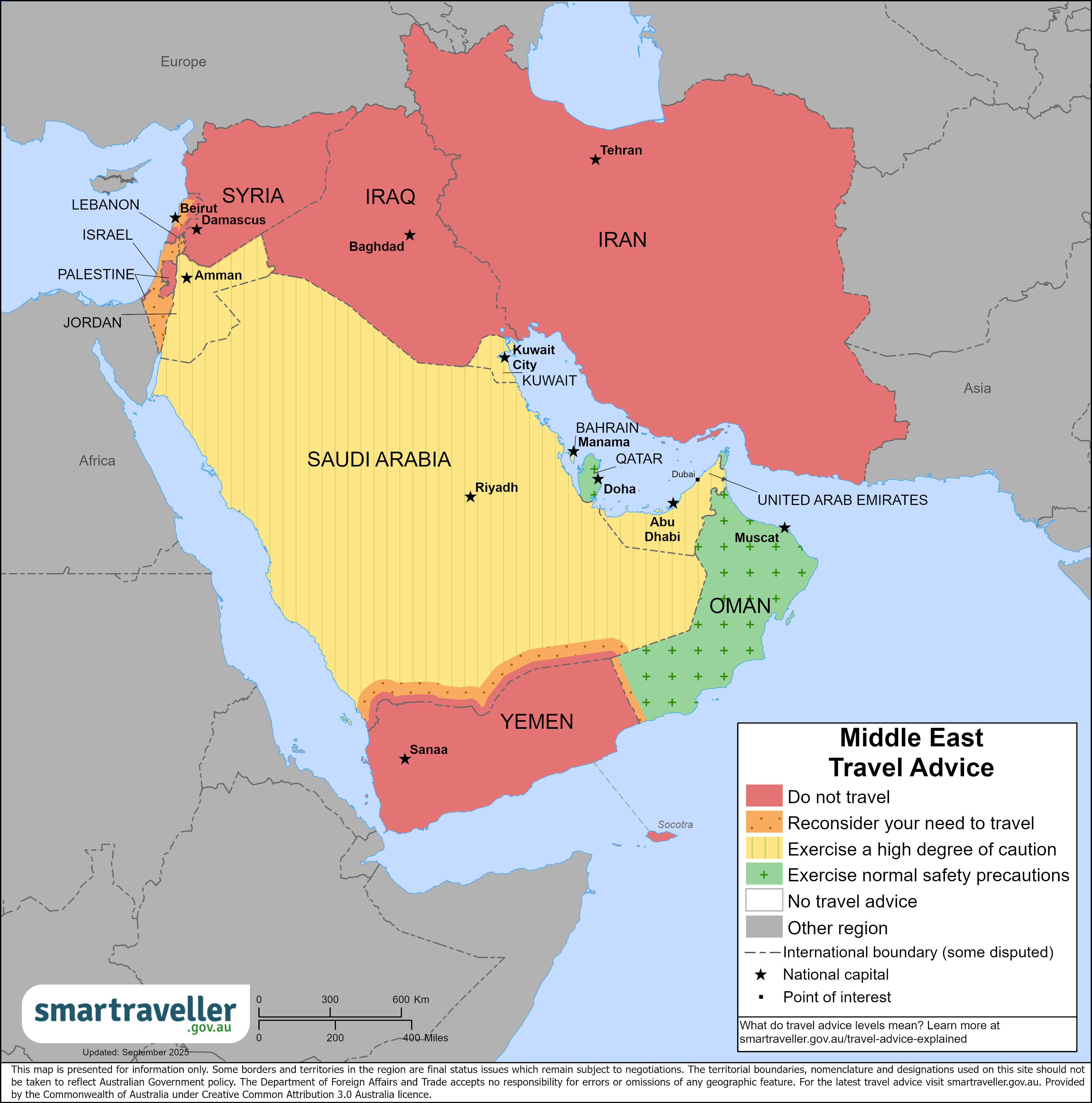
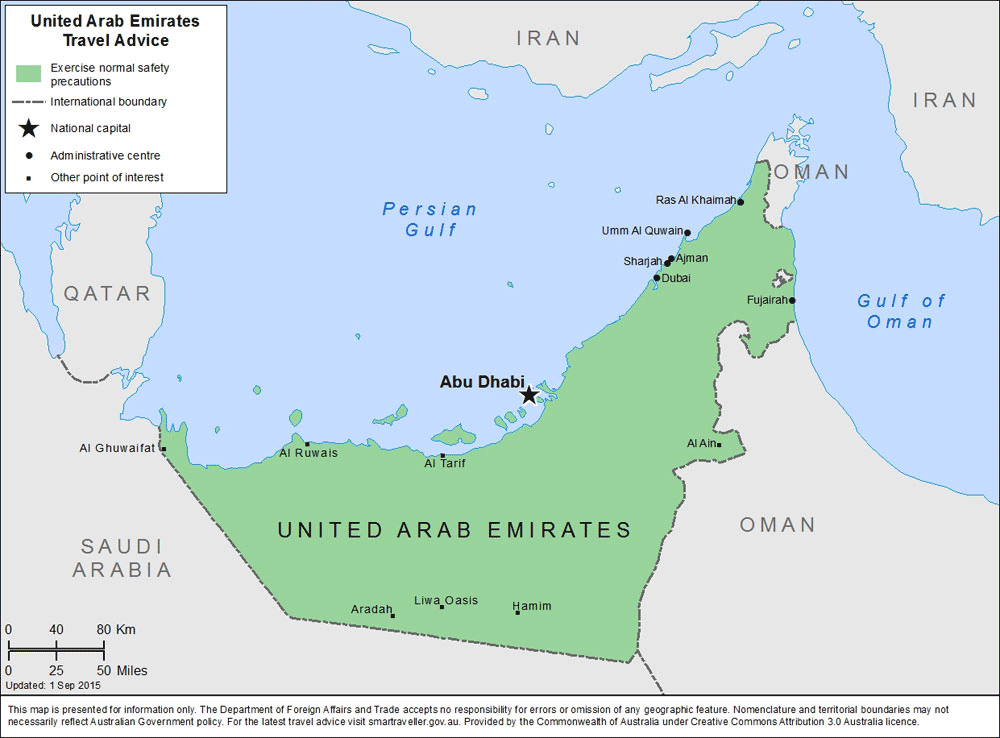
The United Arab Emirates (UAE) is a popular travel destination known for its modern cities and rich culture. Safety is a top priority for visitors and residents alike. Understanding the safety landscape helps travelers enjoy their visit without worry. The UAE maintains strict laws and strong security measures to protect everyone. Below are key points about safety in the UAE, focusing on crime, terrorism, and regional tensions.
Crime Rates And Tourist Safety
The UAE has a very low crime rate compared to many countries. Violent crime against tourists is rare. Petty crimes, like pickpocketing, happen but are uncommon. Police presence is strong in tourist areas and public places. Travelers should still keep an eye on their belongings. Respecting local laws and customs reduces the chance of problems. Overall, the UAE is one of the safest countries for tourists.
Terrorism Risks And Precautions
The threat of terrorism exists but is generally low in the UAE. Authorities work hard to prevent attacks and keep public places secure. Terrorists may target crowded areas, so vigilance is important. Visitors should stay aware of their surroundings and follow official advice. Avoid large gatherings or protests. Registering with your embassy helps in emergencies. The UAE’s security forces respond quickly to any threats.
Regional Tensions And Travel Alerts
The Middle East has some regional conflicts that can affect safety. The UAE is stable but nearby tensions may cause travel alerts. Air travel may face disruptions during heightened conflicts. Checking government travel warnings before your trip is wise. Avoid traveling to sensitive border areas. Staying informed about news helps you adapt plans if needed. The UAE remains a secure destination despite regional issues.
Credit: www.aardy.com
Cultural Norms
The United Arab Emirates (UAE) is rich in culture and tradition. Visitors must understand local cultural norms to enjoy their trip fully. Respecting these norms helps avoid misunderstandings and shows appreciation for the country’s heritage.
Many traditions stem from Islamic values. These influence daily life, social behavior, and laws. Learning about cultural expectations improves your experience and safety during your stay.
Dress Code Guidelines
Dress modestly in public places. Both men and women should cover shoulders and knees. Avoid tight or see-through clothing. Swimwear is acceptable only at beaches or pools. Wearing respectful clothing shows respect for local values.
Respecting Local Customs
Public displays of affection are discouraged. Use your right hand for greetings and eating. Avoid loud behavior and offensive gestures. During Ramadan, do not eat or drink in public during daylight. Observing these customs creates a positive impression.
Same-sex Relationship Laws
Same-sex relationships are illegal in the UAE. Laws are strictly enforced and can lead to severe penalties. Public behavior should align with local rules. Visitors should exercise caution and avoid any actions that may cause legal issues.
Legal Considerations
Traveling to the UAE requires understanding local laws. The country has strict rules to keep everyone safe and respectful. Knowing these laws helps avoid problems and enjoy your visit. Follow local customs and legal guidelines carefully.
Alcohol Regulations
Alcohol is only allowed in licensed places like hotels and bars. Drinking in public or being drunk outside is illegal. Buying alcohol needs a special license for residents. Tourists should be cautious and always drink responsibly in permitted areas.
Photography Restrictions
Taking photos of certain places is forbidden. Avoid photographing government buildings, military sites, and airports. Always ask permission before photographing people, especially women. Respect privacy and local cultural sensitivities to avoid trouble.
Drug Laws And Penalties
The UAE has zero tolerance for drugs. Possession, use, or trafficking leads to severe punishment. Penalties include heavy fines, long jail terms, or even the death penalty. Carrying prescription medicine requires proper documentation. Stay clear of any illegal substances while visiting.
Health And Emergency Tips
Traveling to the UAE means staying safe and healthy is crucial. Knowing what to do in emergencies can protect you and ease your journey. Prepare before you leave to handle any unexpected health or safety issues quickly.
Below are important tips to keep your trip smooth and secure.
Travel Insurance Essentials
Always buy travel insurance before your trip. It covers medical emergencies, accidents, and trip cancellations. Check if it includes coverage for COVID-19 and any existing health conditions. Keep your insurance details handy during travel.
Emergency Contact Info
Save important phone numbers on your phone and on paper. Include local emergency services like police (999), ambulance, and fire. Also, have the contact for your country’s embassy or consulate in the UAE. This helps in case you need urgent help.
Smart Traveler Enrollment Program
Enroll in the Smart Traveler Enrollment Program (STEP) if you are a U.S. citizen. STEP sends safety updates and alerts about the UAE. It also makes it easier for officials to contact you in emergencies. Enrollment is free and simple online.
Travel Planning Advice
Planning a trip to the UAE requires careful preparation. Knowing the best times to visit, transportation options, and accommodation tips can make your stay enjoyable and hassle-free. This section offers simple advice to help you plan your journey smoothly.
Best Times To Visit
The best time to visit the UAE is from November to March. The weather is cooler and pleasant. Avoid the summer months, from June to September, as temperatures can be very high. During winter, outdoor activities and sightseeing are more comfortable.
Transportation Options
The UAE has many transportation choices. Taxis are widely available and affordable. Public buses cover many areas, especially in Dubai and Abu Dhabi. The metro in Dubai is fast and clean. Renting a car is an option but follow local traffic rules carefully.
Accommodation Tips
Book your hotel in advance, especially during peak season. Choose accommodation near public transport or main attractions. Many hotels offer free Wi-Fi and breakfast. Consider staying in serviced apartments for longer visits. Check reviews to ensure a safe and comfortable stay.
.jpeg)
Credit: www.independent.co.uk
Local Etiquette
Understanding local etiquette in the UAE is important for a respectful visit. The country has rich traditions and customs shaped by its culture and religion. Following local etiquette helps visitors avoid misunderstandings and enjoy their stay.
Respecting social norms shows appreciation for the local way of life. It creates positive interactions with residents and enhances your travel experience. Here are key points about behavior in public spaces, interacting with locals, and visiting religious sites.
Behavior In Public Spaces
Dress modestly in public areas. Both men and women should cover shoulders and knees. Avoid loud or aggressive behavior. Public displays of affection are frowned upon and can lead to trouble. Smoking is allowed only in designated areas. Keep public spaces clean and respect local rules.
Interacting With Locals
Greet people with a polite “Salam” or handshake if appropriate. Avoid physical contact with the opposite gender unless invited. Use your right hand for giving or receiving items. Show respect to elders and those in authority. Listen carefully and speak kindly. Avoid discussing sensitive topics like politics or religion.
Religious Site Visits
Dress conservatively when visiting mosques or religious places. Remove shoes before entering prayer areas. Speak softly and avoid taking photos without permission. Women may need to wear a headscarf. Follow signs and instructions from staff or guides. Always show respect for religious practices and symbols.
Staying Informed
Staying informed is essential for a safe and smooth trip to the UAE. The situation can change quickly, so travelers need to keep up with the latest news and advice. This helps avoid surprises and ensures you follow all local rules and guidelines.
Monitoring News Updates
Check news sources regularly for current events in the UAE. Focus on local and international news that covers safety and travel conditions. Pay attention to any alerts about security or weather changes. This habit helps you plan activities wisely and avoid risky areas.
Using Official Travel Resources
Use government websites and official travel portals for accurate information. These sites offer updates on entry rules, health requirements, and emergency contacts. Register with programs like STEP to get alerts from your embassy. Relying on official sources reduces confusion and keeps you well-prepared.
Frequently Asked Questions
Is It Safe To Go To The Uae Right Now?
The UAE is generally safe for travelers with low crime rates. Stay cautious due to regional tensions and potential terrorist threats. Follow local laws, dress modestly, and avoid public intoxication. Keep updated on security alerts and register with your embassy for added safety.
What Is The 3000 Dirham Rule?
The 3000 dirham rule limits cash imports or exports to 3000 AED without declaring to customs. It helps prevent money laundering and illegal transfers. Travelers must declare amounts exceeding this limit at UAE borders to comply with financial regulations.
Is It Safe To Travel To The Uae From The Usa?
Traveling from the USA to the UAE is generally safe. Stay aware of regional tensions and follow local laws and customs. Enroll in STEP and keep updated on security alerts.
What Countries Are At Level 3 Travel Warning?
Countries at level 3 travel warning include Afghanistan, Syria, Yemen, and parts of Nigeria due to conflict and terrorism risks. Check official sources for updates.
Conclusion
Traveling to the UAE can be a great experience with proper planning. Stay aware of local laws and customs to avoid problems. Keep updated on security alerts and regional news. Dress modestly and respect cultural norms at all times. Use travel insurance for added protection during your trip.
By following simple safety tips, you can enjoy your visit with peace of mind. The UAE offers amazing sights and rich culture for curious travelers. Safe travels and enjoy your adventure in this vibrant country!
