

Planning to travel to Saudi Arabia from the UAE by road? Whether it’s for business, pilgrimage, or simply an adventurous road trip, driving across the border offers a unique experience that flights can’t match.
But before you hit the highway, you need to know the must-have documents, the best border crossings, and important travel tips to ensure a smooth journey. In this guide, you’ll discover everything you need to confidently drive from the UAE into Saudi Arabia, avoid common pitfalls, and make your trip hassle-free.
Ready to start your road trip adventure? Let’s dive in!
Credit: www.bbc.com
Contents
Route Options
Traveling from the UAE to Saudi Arabia by road offers several route options. Choosing the right path depends on your starting point, destination, and travel preferences. Understanding the main border crossings and preferred roads helps plan your journey better.
Knowing the distance and travel time also prepares you for a smooth trip. Each route has its own advantages, so pick the best fit for your needs.
Main Border Crossings
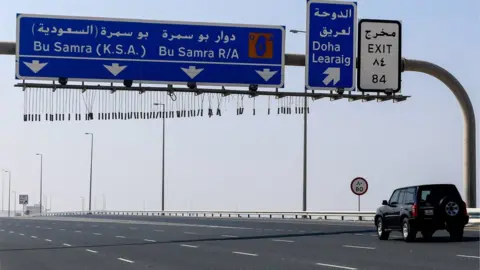
The UAE and Saudi Arabia share multiple border crossings. The most popular ones include Al Batha, Al Ghuwaifat, and Al Hayer. Al Batha is near Dubai and is busy with commercial traffic. Al Ghuwaifat, close to Abu Dhabi, handles many private vehicles. Al Hayer is a quieter option near Al Ain, preferred for faster processing.
Preferred Road Paths
From Dubai, the route through Al Batha leads directly to Riyadh and other major cities. Drivers from Abu Dhabi often choose Al Ghuwaifat for a smoother drive. Travelers from Al Ain use the Al Hayer crossing to reach Saudi’s Eastern Province. These roads are well-maintained and signposted.
Distance And Travel Time
The distance from Dubai to Riyadh is about 1,050 kilometers. Driving takes roughly 10 to 12 hours, depending on traffic. From Abu Dhabi to Riyadh, the distance is slightly less, about 900 kilometers. The trip usually lasts 8 to 10 hours. Plan for breaks and border checks to avoid delays.
Credit: madhyamamonline.com
Visa And Entry Requirements
Traveling from the UAE to Saudi Arabia by road requires careful attention to visa and entry rules. These rules ensure a smooth and legal journey across the border. Knowing the visa types accepted, how to apply, and necessary permits helps avoid delays or refusals. Each traveler must comply with Saudi regulations before starting the trip.
Types Of Visas Accepted
Saudi Arabia accepts several visa types for road travelers from the UAE. Tourist visas are common for leisure trips. Business visas suit those visiting for work or meetings. Umrah visas allow entry for religious purposes. Each visa type has specific conditions and duration. Travelers must have a valid visa before arriving at the border.
Visa Application Process
Apply for a Saudi visa online or through authorized centers. Fill out the application form with accurate personal details. Upload required documents such as passport copies and photos. Pay the visa fee online or at the visa center. Processing times vary but usually take a few days. Approval is sent electronically or printed for border use.
Exit And Entry Permits
Exit permits may be needed for residents leaving the UAE by car. Check with UAE authorities to confirm if you require one. Saudi Arabia requires entry permits at the border. Present your visa, passport, and vehicle documents for inspection. Valid vehicle insurance for Saudi roads is mandatory. Carry all permits to avoid fines or denied entry.
Required Documents
Traveling from the UAE to Saudi Arabia by road requires several important documents. These papers ensure a smooth border crossing and legal compliance in both countries. Preparing all documents before your trip saves time and avoids fines.
Each document serves a specific purpose, from proving vehicle ownership to confirming your legal status in the UAE. Understanding these requirements helps you plan better and enjoy a hassle-free journey.
Vehicle Registration And Insurance
Your car must have a valid vehicle registration card, known as Mulkiya. It proves that you legally own the vehicle. Make sure the card is up to date and original.
Car insurance is mandatory for driving in Saudi Arabia. Your UAE insurance must cover you in Saudi territory. Check with your insurance provider and get a green card or international insurance certificate if needed.
Driver’s License Rules
Carry a valid UAE driver’s license at all times. Saudi authorities accept UAE and GCC licenses. Foreign licenses usually need an International Driving Permit (IDP).
Driving without the correct license can lead to fines or denied entry. Confirm your license type before starting your road trip.
Uae Residence Visa Importance
If you are an expat, your UAE residence visa must be valid during your travel. Border control checks this visa to confirm your legal stay in the UAE.
A valid residence visa also helps in obtaining a Saudi visa. Expired or missing visas cause delays and possible refusal to enter Saudi Arabia.
Vehicle Preparation
Preparing your vehicle before traveling from the UAE to Saudi Arabia by road is essential. A well-maintained car ensures a smooth and safe journey across the long highway. It helps avoid breakdowns and unexpected delays. Checking your vehicle thoroughly saves time and stress during the trip.
Make sure your car is ready for the desert climate and highway conditions. Proper preparation protects you and your passengers. Follow these tips to get your vehicle in top shape before the trip.
Car Maintenance Tips
Check your tires for wear and proper inflation. Replace old or damaged tires before the trip. Test the brakes and make sure they respond well. Change the engine oil if it is near the service date. Check all fluid levels: coolant, brake, and windshield washer fluids. Inspect the battery for corrosion and ensure it is fully charged. Clean the headlights and taillights for good visibility. Carry a spare tire, jack, and basic tools for emergencies.
Insurance Coverage In Saudi
Verify that your car insurance covers driving in Saudi Arabia. UAE insurance may not be valid across the border. Purchase additional coverage if required by Saudi law. Keep all insurance documents handy during travel. Having proper insurance avoids fines and legal issues. Confirm your insurance includes roadside assistance for peace of mind.
Fuel And Toll Information
Fill your fuel tank before entering Saudi Arabia. Fuel stations may be spaced far apart on the highway. Use quality fuel to maintain engine performance. Be prepared to pay tolls on some roads; keep cash or cards ready. Study the toll locations and fees in advance. Plan fuel stops to avoid running low in remote areas.
Border Crossing Procedures
Traveling from the UAE to Saudi Arabia by road requires understanding the border crossing procedures. These steps ensure a smooth and safe journey across the border. Knowing what to expect at the border helps avoid delays and confusion. Below are key points about customs, security, and waiting times.
Customs Checks
At the border, customs officers inspect your vehicle and belongings. They check for prohibited items and ensure all goods comply with Saudi regulations. Have your vehicle registration, insurance, and personal documents ready. Declare any items that need approval to avoid fines. Customs may search your car thoroughly, so cooperate with the officers.
Security Protocols
Security checks focus on safety and legal compliance. Officers verify your identity and travel documents, including your visa and passport. They may ask questions about your travel plans. The border uses cameras and scanners to detect any security threats. Follow all instructions carefully to speed up the process. Security personnel are strict but professional.
Expected Waiting Times
Waiting times vary depending on the day and traffic volume. Peak travel times, such as holidays, cause longer queues. On average, expect to wait between 30 minutes to two hours. Early morning or late night crossings usually face shorter waits. Prepare by bringing water and snacks for the wait. Stay calm and patient to make the crossing easier.
Travel Safety Tips
Traveling from the UAE to Saudi Arabia by road is an exciting experience. Safety should be your top priority to enjoy a smooth trip. Preparing well helps you avoid common risks and stay calm in unexpected situations.
Road Conditions And Hazards
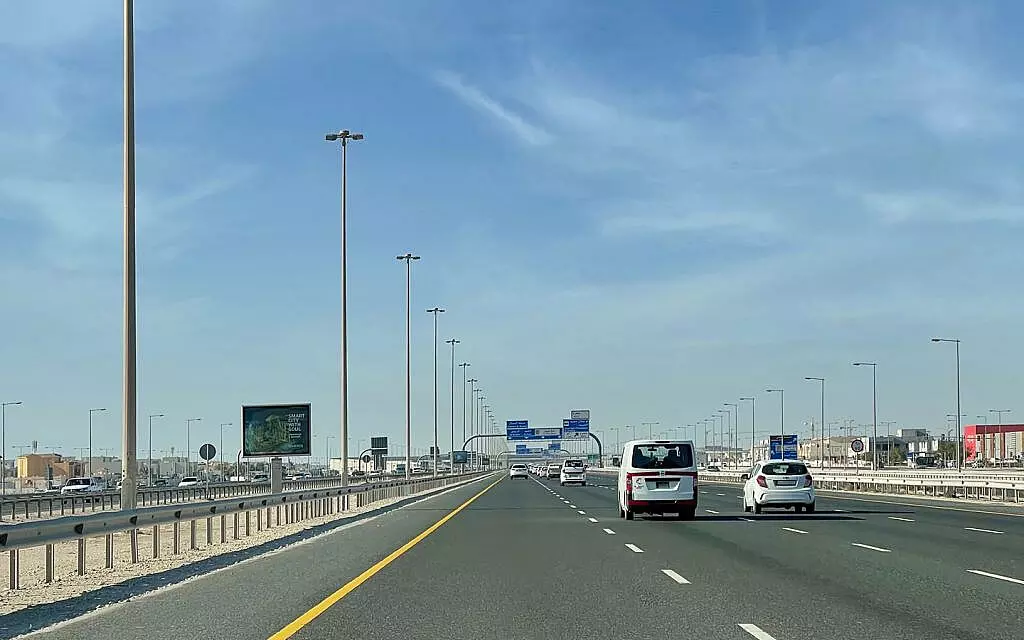
Roads between the UAE and Saudi Arabia are generally well-maintained. Watch out for sudden changes in weather, like sandstorms, which reduce visibility. Some desert areas may have limited services. Drive carefully on unfamiliar routes. Follow speed limits and traffic rules strictly. Stay alert for sudden stops or roadworks near border crossings. Avoid night driving in remote regions to reduce risks.
Emergency Contacts
Keep important emergency numbers saved in your phone. Saudi Arabia’s emergency number is 999 for police, ambulance, and fire. UAE’s emergency number is 998 for police and 999 for ambulance. Have contacts of your embassy or consulate handy. Note down your car insurance and roadside assistance numbers. Share your travel plan with family or friends. It helps them act quickly in case of trouble.
Health And Covid-19 Guidelines
Check the latest health rules before your trip. Saudi Arabia may require proof of COVID-19 vaccination or negative test results. Carry face masks and hand sanitizer for hygiene. Avoid crowded places during your travel. Drink plenty of water to stay hydrated in the desert heat. Bring any prescription medicines you need. Know the location of hospitals and clinics along your route.
Accommodation And Stops
Traveling by road from the UAE to Saudi Arabia offers flexibility and adventure. Planning your stops and accommodation is essential for a smooth journey. Knowing where to rest, eat, and refuel helps keep the trip comfortable and safe. The road trip crosses vast desert areas, so choosing the right places to stop can make a big difference.
Rest Areas And Services
Rest areas along the UAE-Saudi border roads provide safe places to relax. These spots often have clean restrooms and shaded seating. Some rest stops offer prayer rooms and small shops. Drivers can take breaks to stretch and refresh. Many rest areas have security to ensure traveler safety. These stops help prevent fatigue during the long drive.
Popular Overnight Stops
Popular overnight stops include Al Ain and Hofuf in Saudi Arabia. Al Ain offers hotels and guesthouses with good facilities. Hofuf has affordable lodging options close to the highway. Staying overnight helps break the journey and recharge. Booking accommodation ahead is wise during peak travel times. These towns provide a chance to explore local culture and cuisine.
Food And Fuel Options
Fuel stations are available frequently along the main roads. Most stations offer diesel and petrol for all vehicles. Many fuel stops have convenience stores with snacks and drinks. Roadside restaurants serve traditional and international food. Travelers can find fast food chains and local cafes. Carrying some bottled water and snacks is a good idea for remote stretches.
Public Transport Alternatives
Traveling from the UAE to Saudi Arabia by road offers various public transport options. These alternatives suit travelers who prefer not to drive themselves. Public transport provides a practical way to cross the border, especially for those without a vehicle or driving license.
Public transport also reduces the stress of driving long distances. It allows passengers to relax and enjoy the scenery. Choosing public transport can save money on fuel, tolls, and parking fees. Here are the main bus services and their advantages and disadvantages compared to driving.
Bus Services Between Uae And Saudi
Several bus companies run routes between major cities in the UAE and Saudi Arabia. These buses connect Dubai, Abu Dhabi, and Al Ain with Riyadh, Jeddah, and Dammam. Most buses offer comfortable seating and air conditioning. Some even provide free Wi-Fi and refreshments on board.
Buses operate on fixed schedules and usually pass through border checkpoints smoothly. Tickets can be booked online or at bus stations. The journey time varies but can take between 8 to 12 hours, depending on the route and border wait times. These services are popular among budget travelers and those who want to avoid driving.
Pros And Cons Compared To Driving
Taking the bus saves you from dealing with traffic and navigation challenges. It is safer for those unfamiliar with Saudi roads or border procedures. Passengers can rest during the trip and avoid fatigue. Buses are often cheaper than fuel and toll costs combined.
On the downside, buses run on fixed routes and schedules. You might have less flexibility in departure times and stops. Traveling by bus can take longer than driving yourself. Also, luggage space is limited compared to a private car. For groups or families, driving may offer more privacy and convenience.
Cost Breakdown
Traveling from the UAE to Saudi Arabia by road involves several costs. Understanding these expenses helps in planning your budget well. The main costs include fuel, visa and permit fees, and tolls. Each factor plays a role in the total travel expense.
Fuel Expenses
Fuel is a significant part of your travel budget. The distance between the UAE and Saudi border can be around 600 kilometers, depending on your route. Calculate your vehicle’s fuel consumption per kilometer to estimate the total fuel cost. Fuel prices vary but are generally affordable in both countries. Keep in mind that an efficient vehicle will save you more money.
Visa And Permit Fees
Visas are mandatory for entry into Saudi Arabia. Tourist, business, or Umrah visas require fees that vary by type. Permit fees may apply for vehicle entry and border crossing. Check the latest visa requirements and fees before traveling. Prepare your documents to avoid delays and extra charges at the border.
Tolls And Other Charges
Road tolls exist on some highways between the UAE and Saudi Arabia. These tolls are usually low but add up over long distances. Other charges might include parking fees or fees for special permits. Budget for small unexpected expenses like snacks or rest stops. Planning ahead will keep your trip smooth and cost-efficient.

Credit: www.youtube.com
Frequently Asked Questions
Can Uae Residents Travel To Saudi By Car?
Yes, UAE residents can travel to Saudi Arabia by car. They must have a valid Saudi visa, UAE residence visa, vehicle registration, driving license, and valid insurance. Crossing points like Al Hayer and Abu Samrah are commonly used for road travel between the UAE and Saudi Arabia.
Can You Cross The Saudi Border From The Uae?
Yes, you can cross the Saudi border from the UAE by road. Ensure you have a valid Saudi visa, UAE residence visa, vehicle registration, driving license, and car insurance valid in Saudi Arabia. Use official border crossings like Al Hayer or Abu Samrah.
What Documents Are Required To Travel From Dubai To Saudi Arabia By Road?
Carry a valid Saudi visa, UAE residence visa, vehicle registration (Mulkiya), UAE/GCC driving license, and Saudi-approved car insurance. Obtain exit and entry permits if required.
What Is The 3 Second Rule Driving Uae?
The 3-second rule in UAE driving means maintaining a 3-second gap behind the vehicle ahead. This ensures safe stopping distance.
Conclusion
Traveling from the UAE to Saudi Arabia by road offers flexibility and adventure. Make sure to carry all necessary documents, including your visa and car papers. Choose the border crossing that suits your route and plans. Driving lets you explore beautiful landscapes along the way.
Plan your trip carefully to avoid delays at checkpoints. Enjoy the journey and experience the cultures of both countries. Road travel between these neighbors is practical and rewarding. Safe travels and happy driving!
