
The cost of property in Dubai varies widely, from affordable apartments starting around AED 500,000 to luxury villas exceeding AED 10 million. Factors like location, size, amenities, and developer influence pricing significantly.
Contents
- 1 Key Takeaways
- 2 Understanding Dubai’s Real Estate Market Dynamics
- 3 Factors Influencing Property Prices in Dubai
- 4 Average Property Costs in Dubai by Area
- 5 Understanding Ownership: Freehold vs. Leasehold
- 6 Beyond the Purchase Price: Additional Costs to Consider
- 7 Off-Plan vs. Secondary Market Property Costs
- 8 Financing Your Property Purchase in Dubai
- 9 Pro Tips
- 10 Investing in Dubai Property: Rental Yields and ROI
- 11 Navigating the Buying Process: A Step-by-Step Approach
- 12 Frequently Asked Questions (FAQs)
- 13 Conclusion
Key Takeaways
- Understand average property prices in Dubai.
- Identify key factors influencing Dubai property costs.
- Explore popular areas and their price ranges.
- Learn about additional costs beyond the purchase price.
- Discover financing options for property buyers.
- Plan your Dubai property investment wisely.
How Much Property Costs In Dubai: Your Comprehensive Guide
Dreaming of owning a piece of Dubai? You’re not alone. This vibrant city attracts people from all over the world. But when you start looking into buying property, the question “how much property cost in Dubai?” can feel overwhelming. Prices seem to change, and there are so many options. It’s easy to get lost in the details. This guide is here to simplify everything. We’ll break down the costs, explain what influences them, and help you understand the real estate landscape. Get ready to explore the exciting world of Dubai property with confidence.
Understanding Dubai’s Real Estate Market Dynamics
Dubai’s real estate market is known for its dynamism and global appeal. It’s a market that has seen rapid growth, driven by innovation, infrastructure development, and a welcoming environment for investors. Unlike many other global cities, Dubai offers unique ownership structures that affect property costs and accessibility for international buyers. Understanding these underlying dynamics is crucial before diving into specific price points. The market is influenced by a blend of global economic trends and local government initiatives, making it a complex yet rewarding landscape for those looking to invest.
Factors Influencing Property Prices in Dubai
Several key factors determine how much property costs in Dubai. These elements work together to create the final price tag you see for any given unit or villa. Understanding these will help you assess value and make informed decisions.
Location, Location, Location: The Golden Rule
This classic real estate adage holds especially true in Dubai. Prime locations command higher prices due to their proximity to key attractions, business hubs, and lifestyle amenities. Areas like Downtown Dubai, Dubai Marina, and Palm Jumeirah are consistently among the most expensive. These areas offer stunning views, access to world-class dining and entertainment, and often, a higher quality of life. Even within a single community, properties closer to the beach, parks, or metro stations will likely be priced higher.
Property Type and Size
The type of property you choose significantly impacts the cost. Apartments are generally more affordable than villas or townhouses. Within apartments, the number of bedrooms and bathrooms is a primary price driver. A studio or one-bedroom apartment will naturally cost less than a spacious three-bedroom unit. Similarly, larger villas with more land, private pools, and multiple floors will be considerably more expensive than smaller units. The square footage, or square meters, of a property is a direct indicator of its base price.
Amenities and Facilities
The amenities offered within a building or community play a vital role. Properties in developments featuring swimming pools, state-of-the-art gyms, 24/7 security, concierge services, landscaped gardens, children’s play areas, and allocated parking spots often come with a premium. These features add to the convenience and lifestyle appeal, justifying a higher price point. Luxury developments often include exclusive amenities like private beaches, spa facilities, and fine dining restaurants, further increasing their value.
Developer Reputation and Project Quality
The reputation of the developer is a significant factor. Established developers with a proven track record of delivering high-quality projects on time tend to command higher prices. Their developments are often seen as a safer investment due to their reliability and commitment to quality construction and finishing. Buyers are willing to pay more for the peace of mind that comes with a reputable builder. Brand new, off-plan properties from top developers can also be priced attractively during their launch phase.
Age and Condition of the Property
As with any real estate market, the age and condition of the property matter. Newer buildings and homes generally fetch higher prices than older ones, assuming they are in good condition and have modern designs. However, well-maintained older properties in sought-after locations can still be very valuable. Properties that have been recently renovated or upgraded may also command a higher price than those requiring refurbishment.
Market Trends and Demand
The overall supply and demand within the Dubai real estate market significantly influence property costs. Periods of high demand, often fueled by economic growth, increased tourism, or government initiatives, can lead to price increases. Conversely, an oversupply of properties or a slowdown in the economy might lead to price stabilization or decreases. Staying informed about current market trends is essential for understanding price movements.
Average Property Costs in Dubai by Area
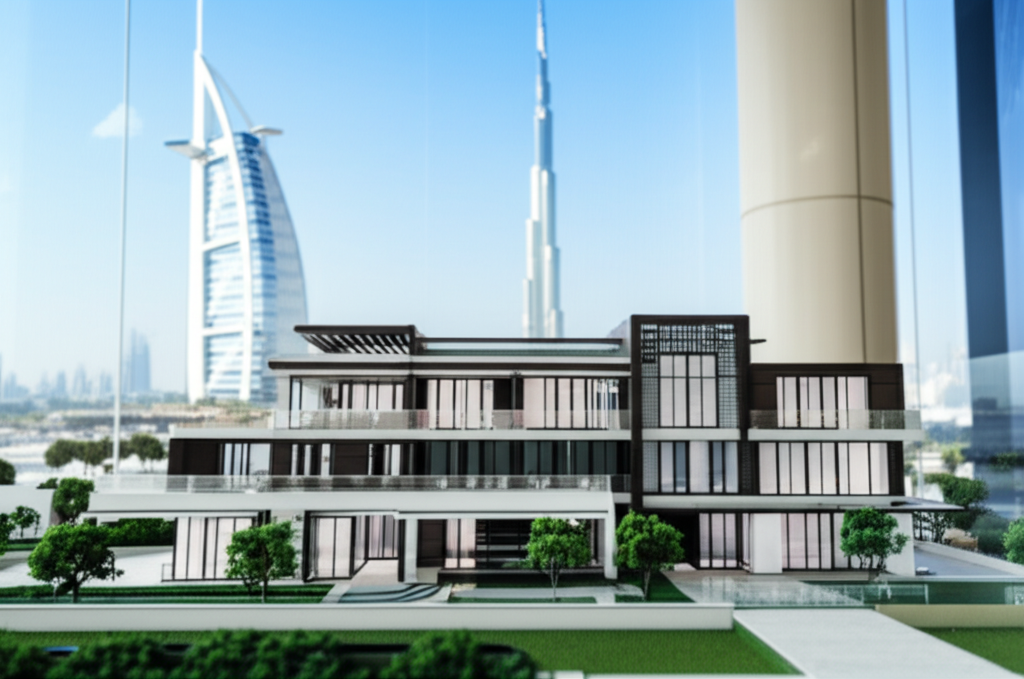
To give you a clearer picture, here’s an overview of average property costs in some of Dubai’s most popular areas. These figures are approximate and can fluctuate. It’s always best to consult with a local real estate agent for the most up-to-date pricing.
Luxury Hotspots: Downtown Dubai & Dubai Marina
These areas are synonymous with luxury living and prime real estate. Downtown Dubai, home to the Burj Khalifa, offers premium apartments with unparalleled city views. Dubai Marina boasts waterfront living with stunning yachts and a vibrant promenade.
| Property Type | Average Price Range (AED) | Key Features |
|---|---|---|
| 1-Bedroom Apartment | 1,000,000 – 2,000,000+ | City/Marina views, modern amenities, close to attractions |
| 2-Bedroom Apartment | 1,500,000 – 3,000,000+ | Spacious, premium finishes, community facilities |
| 3-Bedroom Apartment/Penthouse | 2,500,000 – 5,000,000+ | Luxury living, expansive spaces, high-end amenities |
| Townhouses/Villas (Limited) | 5,000,000 – 10,000,000+ | Exclusive, prime locations, premium lifestyle |
Family-Friendly Communities: Arabian Ranches & Dubai Hills Estate
These master-planned communities are popular with families, offering spacious villas and townhouses with abundant green spaces, schools, and community facilities. Arabian Ranches is a more established community, while Dubai Hills Estate is a newer, rapidly developing area.
| Property Type | Average Price Range (AED) | Key Features |
|---|---|---|
| 3-Bedroom Villa/Townhouse | 2,000,000 – 4,000,000 | Gated communities, parks, schools, family-oriented |
| 4-Bedroom Villa | 3,000,000 – 6,000,000 | Larger plots, private gardens, community amenities |
| 5-Bedroom Villa+ | 4,000,000 – 8,000,000+ | Luxury finishes, premium locations within the estate, golf course views |
Emerging Investment Hubs: Jumeirah Village Circle (JVC) & Business Bay
JVC offers a more affordable entry point into Dubai’s property market, with a mix of apartments and townhouses. Business Bay is a rapidly developing commercial and residential hub, offering modern apartments and commercial spaces.
| Property Type | Average Price Range (AED) | Key Features |
|---|---|---|
| Studio Apartment | 450,000 – 700,000 | Affordable, convenient location, community living |
| 1-Bedroom Apartment | 600,000 – 1,000,000 | Good rental yields, modern facilities, accessible |
| 2-Bedroom Apartment | 800,000 – 1,400,000 | Spacious, good for families or sharers, growing infrastructure |
| Townhouses (in JVC) | 1,500,000 – 2,500,000 | Community feel, private entrance, near amenities |
These are just examples, and prices can vary significantly within each area. For instance, a waterfront villa in Palm Jumeirah can easily cost tens of millions of dirhams, while a studio apartment in a less central area might be closer to AED 400,000.
Understanding Ownership: Freehold vs. Leasehold
Dubai offers different property ownership types, which is crucial to understand when discussing costs.
Freehold Property
In freehold areas, foreign nationals can own property outright, including the land it stands on. This is the most common and desirable form of ownership for expatriates. Properties in freehold areas are typically priced higher due to the complete ownership rights granted.
Leasehold Property
Leasehold property means you own the right to use the property for a fixed period (e.g., 99 years), but not the land itself. The land remains owned by the government or a local entity. Leasehold properties are generally less common for individual buyers and might be found in specific zones. The cost might be lower than equivalent freehold properties, but ownership rights are limited to the lease term.
Beyond the Purchase Price: Additional Costs to Consider
The advertised price of a property is just the beginning. Several other fees and charges are associated with buying property in Dubai. Being aware of these will help you budget accurately and avoid surprises.
Dubai Land Department (DLD) Fees
The DLD charges a transfer fee, typically 4% of the property’s purchase price. This fee is usually split between the buyer and seller, but it’s common for the buyer to bear the full amount. There are also registration fees that apply.
Agency Fees
If you use a real estate agent, you will typically pay an agency commission. This is usually around 2% of the property’s purchase price, plus VAT. It’s standard practice for the buyer to pay this fee.
Mortgage Fees
If you are taking out a mortgage, you will incur several fees, including arrangement fees, valuation fees, and mortgage registration fees with the DLD. These can add up to a few percent of the loan amount.
Service Charges
For apartments and townhouses, you will need to pay annual service charges. These cover the maintenance of common areas, security, landscaping, and amenities like swimming pools and gyms. Service charges can vary significantly depending on the building and its facilities.
No Objection Certificate (NOC) Fees
The seller usually needs to obtain a No Objection Certificate (NOC) from the developer to sell the property. The developer charges a fee for this, which can range from AED 500 to AED 5,000 or more. This fee is typically paid by the seller, but it’s good to clarify this in the sales agreement.
Utility Connection Fees
You’ll need to connect to DEWA (Dubai Electricity and Water Authority) for your utilities. There are connection and deposit fees involved, which are usually a few thousand dirhams.
Off-Plan vs. Secondary Market Property Costs
When considering how much property costs in Dubai, it’s important to distinguish between buying off-plan (directly from a developer before or during construction) and buying on the secondary market (from a previous owner).
Off-Plan Property
Pros:
- Often comes with attractive payment plans, allowing buyers to pay in installments over several years, sometimes even post-handover.
- Potential for higher capital appreciation as the project is completed and the area develops.
- You get a brand-new property with modern designs and finishes.
- Developers sometimes offer discounts or incentives during launch phases.
Cons:
- Construction delays can occur.
- The final product might differ slightly from the initial marketing materials.
- You don’t get to see the actual property before purchase.
- The market value might decrease before completion.
Cost Considerations: Off-plan properties often have lower initial down payments (e.g., 5-10%) and staggered payment plans. The total cost is spread out, making it accessible, but the final price is fixed at the time of purchase.
Secondary Market Property
Pros:
- You can see the exact property you are buying.
- Immediate possession is usually possible.
- Established communities often mean better infrastructure and immediate access to amenities.
- You can often negotiate the price with the seller.
Cons:
- Typically requires a larger upfront payment (e.g., 25% for a mortgage).
- May require renovation or upgrades.
- Mortgage approval processes can be more involved.
- Payment is usually made in a lump sum or structured around mortgage disbursement.
Cost Considerations: Prices are based on current market value, and negotiation is common. You’ll likely need a larger upfront capital for the down payment and immediate settlement.
Financing Your Property Purchase in Dubai
For many, purchasing property in Dubai involves securing a mortgage. UAE banks offer various mortgage products to both residents and non-residents.
Mortgage Eligibility
Eligibility depends on factors like your income, employment status, age, and credit history. UAE residents can typically borrow up to 80% of the property value for their first home, while non-residents may have a lower loan-to-value ratio.
Mortgage Costs
Beyond the loan amount, consider:
- Interest Rates: These vary between banks and are usually linked to the UAE Central Bank’s rate.
- Arrangement Fees: Typically 0.5% to 1% of the loan amount.
- Valuation Fees: A fee charged by the bank to assess the property’s value.
- Mortgage Registration Fees: A DLD fee, usually 0.25% of the loan amount.
- Life Insurance: Often mandatory and required to cover the loan amount.
It’s advisable to shop around and compare offers from different banks to find the best mortgage deal for your situation.
Pro Tips
Pro Tip: When viewing properties, especially in older buildings, check for signs of wear and tear, water damage, or poor maintenance. Ask about the current service charges and any planned major maintenance by the building management. This can save you unexpected costs down the line.
Investing in Dubai Property: Rental Yields and ROI
For investors, understanding potential rental yields and Return on Investment (ROI) is crucial. Dubai generally offers attractive rental yields compared to many global cities.
Calculating Rental Yield
Gross Rental Yield = (Annual Rental Income / Property Purchase Price) 100
Net Rental Yield = ((Annual Rental Income – Annual Operating Expenses) / Property Purchase Price) 100
Operating expenses include service charges, property management fees, maintenance, and insurance.
Factors Affecting Rental Yields
- Location: Areas with high demand from expats and tourists tend to offer better yields.
- Property Type: Apartments often have higher yields than villas due to lower purchase prices.
- Amenities: Buildings with good facilities attract better tenants and command higher rents.
- Market Conditions: Economic growth and population increase drive rental demand.
While specific figures fluctuate, Dubai’s rental yields can range from 4% to 8% or even higher in certain prime locations and for specific property types. It’s essential to conduct thorough research on current rental rates and vacancy periods in your target area.
Buying property in Dubai involves a structured process. Here’s a simplified step-by-step guide:
- Determine Your Budget: Assess your finances, including savings for a down payment and an understanding of additional costs.
- Secure Mortgage Pre-Approval (if needed): Get pre-approved by a bank to know your borrowing capacity.
- Find a Real Estate Agent: Choose a reputable agent registered with the Real Estate Regulatory Agency (RERA).
- Search for Properties: Work with your agent to find properties that match your criteria and budget.
- Make an Offer: Once you find a property, you’ll make an initial offer. If accepted, you’ll sign a Memorandum of Understanding (MOU) and pay an initial deposit (usually 10%).
- Conduct Due Diligence: If buying on the secondary market, ensure the property has no outstanding debts or legal issues. For off-plan, research the developer and project.
- Obtain Mortgage Approval: Finalize your mortgage application with the bank.
- Transfer of Ownership: For secondary market properties, this typically happens at the Dubai Land Department (DLD). Both buyer and seller, along with their agents, attend the transfer. The remaining balance is paid, and the title deed is transferred to the buyer. For off-plan, the process is managed by the developer according to the payment plan.
- Pay Fees and Register: Settle all DLD fees, agency fees, and other associated costs. The property title deed is officially registered in your name.
- Handover and Move-in: For new properties, you’ll receive the keys upon completion. For secondary market properties, you take possession after the title deed transfer.
For more detailed information on regulations, you can refer to the Dubai Land Department website.
Frequently Asked Questions (FAQs)
Q1: Can foreigners buy property in Dubai?
Yes, foreigners can buy property in Dubai in designated freehold areas. They can own the property outright. Non-freehold areas have specific regulations for foreign ownership.
Q2: What is the minimum down payment for a property in Dubai?
For an off-plan property, the down payment can be as low as 5-10%. For a secondary market property, if using a mortgage, the minimum down payment is typically 20-25% of the property value.
Q3: Are there property taxes in Dubai?
Dubai does not have an annual property tax in the way many Western countries do. However, there are transaction fees (like the DLD transfer fee) and annual service charges for property maintenance.
Q4: How much does it cost to rent an apartment in Dubai?
Rental costs vary greatly by area and size. A studio apartment might start from AED 30,000-40,000 per year in less central areas, while a one-bedroom in a prime location can range from AED 70,000-120,000+ per year. Villas are significantly more expensive to rent.
Q5: What are the ongoing costs of owning property in Dubai?
The primary ongoing costs are annual service charges for apartment buildings and communities, DEWA (electricity and water) bills, and potential maintenance costs. If you have a mortgage, you’ll have monthly repayments.
Q6: Is it a good time to buy property in Dubai?
Dubai’s property market is influenced by global economic trends and local government policies. It has shown resilience and growth. Potential buyers should conduct thorough research, understand current market conditions, and consult with real estate professionals to make an informed decision based on their investment goals.
Conclusion
Understanding “how much property cost in Dubai” is the first step towards realizing your property dreams in this incredible city. As we’ve explored, prices are influenced by a multitude of factors, from the prime location and luxurious amenities to the developer’s reputation and the type of ownership. While the initial purchase price is significant, don’t forget to factor in the additional costs like DLD fees, agency commissions, and ongoing service charges. Whether you’re looking at an off-plan marvel or a charming secondary market gem, Dubai offers a diverse range of opportunities for every buyer and investor. By arming yourself with knowledge and partnering with trusted professionals, you can navigate the market with confidence and secure your piece of Dubai’s dynamic future.
