

If you’re planning trips with your little one, you’ve probably wondered, “How long can you use a travel crib?” Choosing the right travel crib can make your trips easier and more comfortable for both you and your baby. But knowing when it’s time to stop using it is just as important.
You’ll discover the key factors that determine how long a travel crib stays safe and practical. Keep reading to make sure your child always has a cozy, secure place to sleep—no matter where you go.
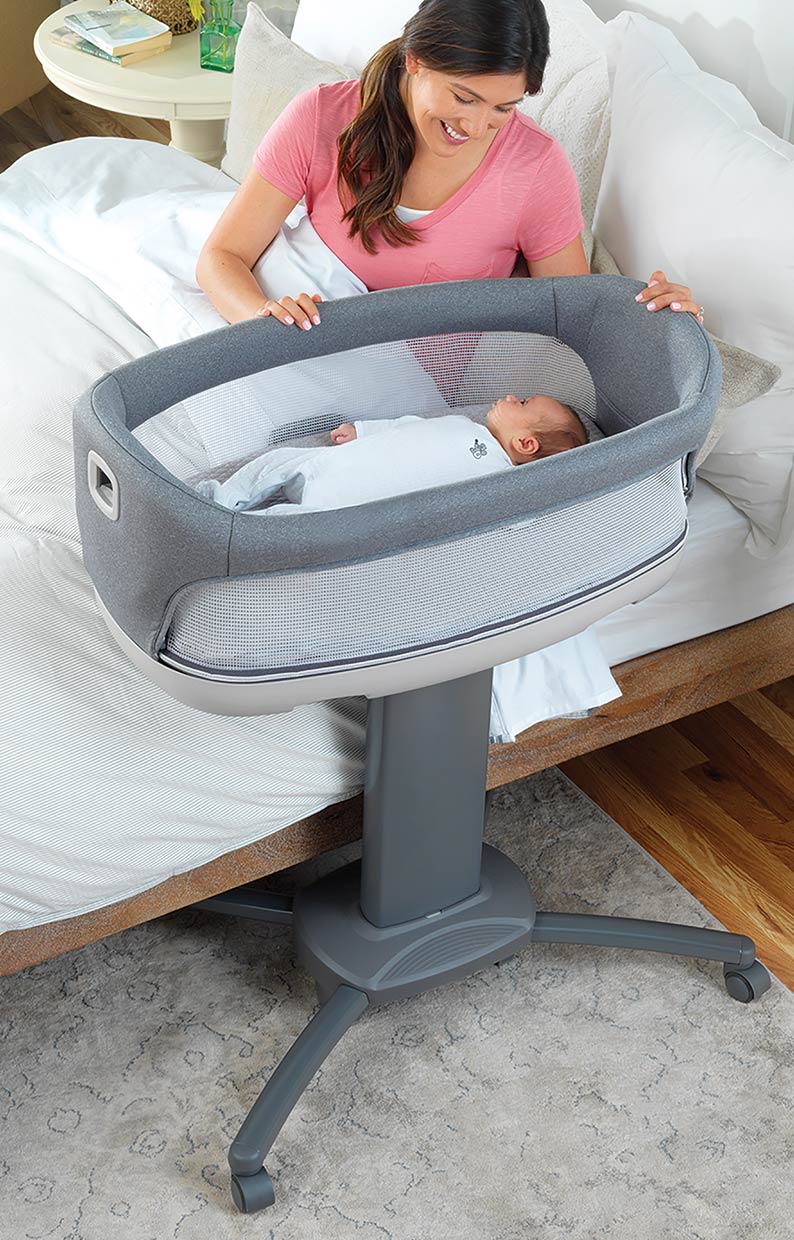
Credit: www.chiccousa.com
Travel Crib Lifespan
Travel cribs offer a safe place for babies to sleep during trips. Knowing their lifespan helps you plan usage and replacement. Lifespan depends on several factors like age limits, materials, and wear. Understanding these can extend the crib’s usefulness and keep your child safe.
Typical Age And Weight Limits
Most travel cribs suit babies from birth to about 3 years old. Weight limits usually range between 15 to 30 pounds. Exceeding these limits can risk safety and damage the crib. Always check the manufacturer’s guidelines before use.
Material Durability
Travel cribs use lightweight metals and strong fabrics. Metals resist bending but may wear over time. Fabrics can tear or fade with frequent use. High-quality materials last longer and maintain safety standards.
Wear And Tear Factors
Frequent folding and unfolding cause stress on joints. Exposure to dirt, moisture, and sun weakens fabrics and frames. Rough handling can break zippers and locking mechanisms. Regular cleaning and gentle use reduce damage and extend lifespan.

Credit: www.newtonbaby.com
Safety Considerations
Safety is the top priority when using a travel crib. Parents must check several factors to keep their child safe. These safety checks help prevent accidents and ensure a secure sleep space. Understanding what to watch for makes travel crib use safer and easier.
Checking For Recalls
Always check if the travel crib has any recalls. Recalls happen when a product has safety problems. Visit official websites or use recall databases. This ensures the crib meets current safety rules. Using a recalled crib can be dangerous for your child.
Ensuring Proper Assembly
Follow the instruction manual carefully during assembly. Every part should fit tightly and correctly. Loose parts can cause the crib to collapse. Double-check locking mechanisms and joints before use. Proper assembly keeps the crib stable and safe for your baby.
Maintaining Stability
Place the travel crib on a flat, firm surface. Uneven ground can cause tipping or shaking. Avoid placing the crib near edges or stairs. Check stability before placing your child inside. A stable crib prevents falls and injuries during sleep or play.
Signs To Replace Your Travel Crib
Travel cribs are great for naps and sleep on the go. But they do not last forever. Knowing when to replace your travel crib keeps your child safe and comfortable. Watch for clear signs that show your crib needs to be replaced.
Visible Damage
Check the fabric for tears or holes. Look for broken mesh sides or ripped padding. Damaged parts can hurt your child or cause the crib to collapse. Stains and dirt that won’t clean off also mean it’s time for a new crib.
Worn Out Components
Inspect zippers, clips, and buttons. If they don’t close or open properly, your crib won’t be secure. Loose or missing screws and bolts affect safety. Worn wheels or folding joints make moving and setting up hard.
Loss Of Structural Integrity
The crib should stay firm and steady. If it wobbles or bends easily, it can be dangerous. Weak frames or broken bars can fail during use. Always test the stability before letting your child sleep in it.
Extending Travel Crib Usage
Extending the life of a travel crib saves money and keeps your baby safe. Proper care helps the crib stay strong and clean. Small daily efforts make a big difference. You can use the travel crib for many years if you follow simple steps.
Regular Cleaning And Maintenance
Clean the travel crib after every trip. Wipe down the frame with a damp cloth. Use mild soap to remove dirt and stains. Wash the mattress cover and fabric parts often. Check for loose screws or broken parts. Tighten screws and fix small problems fast. This keeps the crib safe and ready to use.
Using Protective Covers
Protective covers stop dirt and spills from damaging the crib. Use waterproof covers for the mattress. Covers help keep the fabric fresh and clean. They reduce the need for deep cleaning. Choose covers that fit well and are easy to wash. This saves time and extends the crib’s life.
Storing Properly When Not In Use
Store the travel crib in a dry, cool place. Avoid damp or hot areas that cause damage. Fold the crib carefully to avoid bending the frame. Use the original bag or a storage cover. Keep it away from heavy objects that can crush it. Proper storage keeps the crib strong and clean for next use.
Alternatives After Travel Crib
Travel cribs serve well for infants and toddlers during trips. But children outgrow them quickly. Parents need good options after the travel crib phase ends.
Several alternatives offer comfort and safety for growing kids. These choices suit different needs and spaces.
Convertible Cribs
Convertible cribs grow with your child. They start as a crib, then change to toddler beds. Some convert further to daybeds or full beds. This saves money and space. They last for many years.
Portable Playards
Portable playards provide a safe play and sleep area. They fold easily for travel or storage. Playards work well for babies and toddlers. Some models come with bassinets or changing tables. They are versatile and lightweight.
Toddler Beds
Toddler beds fit children who outgrow cribs. They are lower to the floor for easy access. Toddler beds often have guardrails for safety. These beds help kids adjust to sleeping alone. Many use regular crib mattresses.

Credit: www.newtonbaby.com
Frequently Asked Questions
How Long Is A Travel Crib Usable For Babies?
Travel cribs are typically usable from birth up to 2-3 years. Weight limits usually range from 15 to 30 pounds. Always check the manufacturer’s guidelines to ensure safety and suitability for your child’s age and size.
When Should You Stop Using A Travel Crib?
Stop using a travel crib once your child can climb out or exceeds weight limits. This usually happens around 2-3 years old. Transitioning to a toddler bed ensures safety and comfort as your child grows.
Can Travel Cribs Be Used For Toddlers?
Yes, many travel cribs are designed for toddlers up to 3 years. Check the product’s height and weight limits to confirm suitability. Some models come with removable bassinets for newborns and extended use options.
Are Travel Cribs Safe For Overnight Sleeping?
Travel cribs are generally safe for overnight use if they meet safety standards. Always ensure the mattress fits well and the crib is properly assembled. Avoid adding extra padding or toys that could pose suffocation risks.
Conclusion
Travel cribs are useful for babies up to about two years old. Check the weight and height limits before use. Always follow the safety instructions carefully. Replace the travel crib if it shows wear or damage. Keep your child comfortable and safe during trips.
Choose a travel crib that suits your needs well. This helps make travel easier for both you and your baby. Use the travel crib only as long as it stays safe and comfy. Simple steps keep your child happy on the go.
