
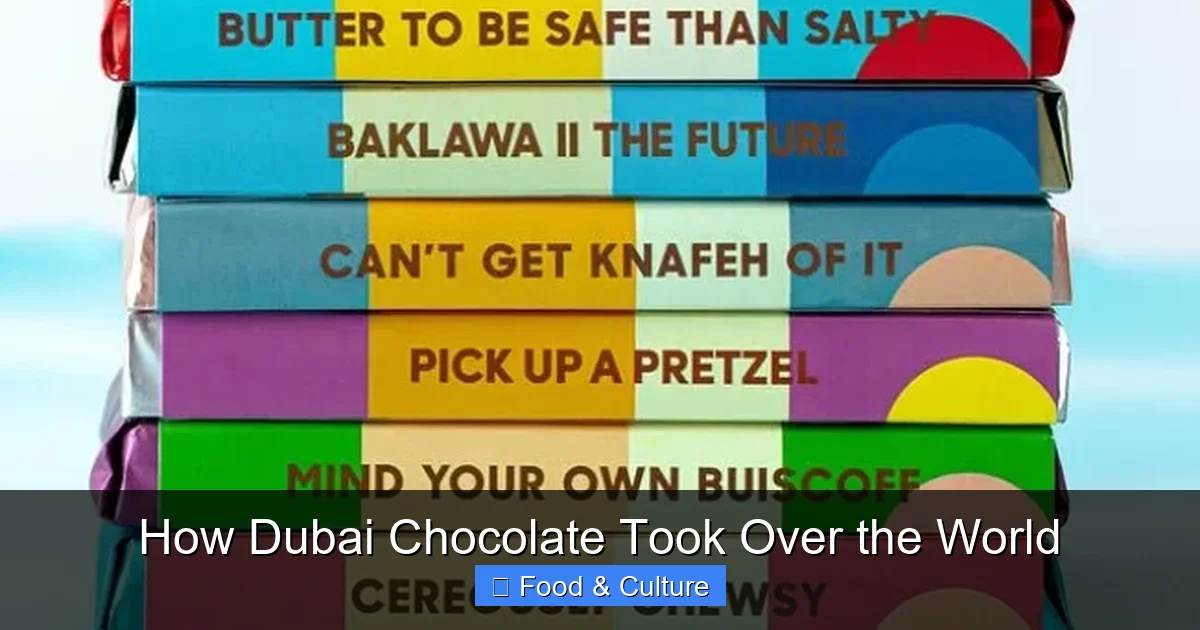
Dubai chocolate took over the world by merging opulent Middle Eastern flavors with premium Swiss techniques, creating a luxurious treat that resonated globally. From social media buzz to celebrity endorsements, its rise reflects a shift toward experiential, Instagram-worthy desserts that celebrate cultural fusion.
Imagine biting into a chocolate bar that feels like silk on your tongue—golden flecks shimmering under the light, releasing notes of saffron, rosewater, and toasted almonds. That’s the magic of Dubai chocolate. Once a regional specialty enjoyed mainly by locals and curious tourists, it has now exploded onto the global stage, captivating chocoholics from Tokyo to Toronto. But how did a confection born in the desert sands of the UAE become a worldwide phenomenon?
The story of Dubai chocolate’s global takeover isn’t just about taste—it’s about identity, innovation, and the power of storytelling. In a world where food is increasingly tied to experience and aesthetics, Dubai chocolate checks every box. It’s not just a snack; it’s a sensory journey through the opulence and tradition of the Middle East, wrapped in glossy packaging and shared across digital platforms. From luxury hotels to airport duty-free shops, from TikTok trends to Michelin-starred dessert menus, Dubai chocolate has woven itself into the fabric of modern gastronomy.
What makes it so irresistible? For starters, it’s the unexpected flavor combinations—think dark chocolate infused with cardamom and pistachio, or white chocolate layered with date caramel and gold leaf. These aren’t your average candy bar ingredients. They reflect the rich culinary heritage of the Gulf, where spices and sweets have long played a central role in hospitality and celebration. Add to that the meticulous craftsmanship, often inspired by Swiss and Belgian techniques, and you get a product that feels both exotic and refined.
But flavor alone doesn’t explain its meteoric rise. Dubai chocolate’s global success is also a testament to smart branding, cultural curiosity, and the digital age’s love for shareable moments. When a video of someone unwrapping a bar of saffron-infused chocolate goes viral, it’s not just about the taste—it’s about the allure of the unknown, the thrill of trying something new and luxurious. And in an era where consumers crave authenticity and uniqueness, Dubai chocolate delivers in spades.
Contents
- 1 Key Takeaways
- 2 Quick Answers to Common Questions
- 3 📑 Table of Contents
- 4 The Origins of Dubai Chocolate
- 5 The Flavor Revolution: What Makes Dubai Chocolate Unique
- 6 The Social Media Explosion
- 7 From Local Boutiques to Global Shelves
- 8 The Role of Tourism and Luxury Travel
- 9 The Future of Dubai Chocolate
- 10 Conclusion
- 11 Frequently Asked Questions
Key Takeaways
- Fusion of Cultures: Dubai chocolate blends traditional Emirati ingredients like saffron, cardamom, and dates with European chocolate-making expertise.
- Social Media Power: Viral TikTok and Instagram posts showcasing its rich texture and golden hues fueled global demand.
- Luxury Positioning: Marketed as a premium indulgence, it appeals to travelers and foodies seeking unique, high-end experiences.
- Innovation in Flavor: Unique combinations like camel milk chocolate and gold leaf elevate it beyond conventional sweets.
- Global Retail Expansion: Brands like Patchi and Mirzam expanded internationally, making Dubai chocolate accessible in major cities.
- Celebrity Influence: Endorsements from influencers and chefs amplified its status as a must-try delicacy.
- Sustainability Focus: Many producers now emphasize ethical sourcing and eco-friendly packaging to meet modern consumer values.
Quick Answers to Common Questions
What makes Dubai chocolate different from regular chocolate?
Dubai chocolate stands out due to its use of traditional Middle Eastern ingredients like saffron, cardamom, dates, and camel milk, combined with premium chocolate-making techniques.
Is Dubai chocolate available outside the UAE?
Yes, many brands like Patchi and Mirzam have expanded internationally, with stores in Europe, North America, and online retailers offering global shipping.
Why is gold leaf used in Dubai chocolate?
Gold leaf is used as a decorative element to symbolize luxury and celebration, reflecting the opulent culture of the UAE.
Can I make Dubai chocolate at home?
Absolutely! You can recreate flavors using dark chocolate, saffron, cardamom, and pistachios. Many recipes are available online for homemade versions.
Is Dubai chocolate suitable for vegans?
Some varieties are vegan, especially those made with dark chocolate and plant-based ingredients. Always check the label for dairy or honey content.
📑 Table of Contents
The Origins of Dubai Chocolate
To understand how Dubai chocolate conquered the world, we must first look at its roots. While chocolate itself has ancient origins in Mesoamerica, its modern form—especially the high-quality, artisanal varieties—took shape in Europe. Dubai, however, brought a fresh twist to the tradition by infusing it with local flavors and cultural significance.
The UAE has a long history of trade and cultural exchange, thanks to its strategic location along ancient spice routes. For centuries, merchants brought saffron from Iran, cardamom from India, and dates from the Arabian Peninsula, creating a rich tapestry of flavors that define Emirati cuisine today. Chocolate, introduced more recently through globalization, was quickly adopted and adapted to fit local palates.
One of the earliest pioneers of Dubai chocolate was Patchi, a Lebanese brand that opened its first boutique in Dubai in the 1970s. Known for its handcrafted chocolates and elegant packaging, Patchi became a symbol of luxury in the region. But it was the younger, homegrown brands that truly revolutionized the scene. Companies like Mirzam, founded in 2010 in Dubai’s Al Quoz district, focused on using local ingredients and telling the story of Emirati culture through chocolate.
Mirzam, for example, sources cacao from small farms in Madagascar and Ecuador but flavors its bars with Emirati staples like camel milk, za’atar, and halva. Their packaging often features Arabic calligraphy and desert motifs, turning each bar into a piece of edible art. This blend of global sourcing and local identity resonated deeply with both residents and visitors, setting the stage for a chocolate renaissance.
The Role of Cultural Identity
Dubai chocolate isn’t just about taste—it’s a celebration of heritage. In a city known for its futuristic skyline and global ambitions, there’s a growing desire to preserve and showcase local traditions. Chocolate became a perfect medium for this. By incorporating ingredients like saffron, rosewater, and dates, producers created a product that felt authentically Emirati, even as it appealed to international tastes.
This cultural pride is evident in the way Dubai chocolate is marketed. Brands often highlight the origins of their ingredients, the artisans behind the bars, and the stories that inspire each flavor. For instance, a chocolate bar infused with saffron might come with a note about its use in traditional Emirati desserts like harees or luqaimat. This storytelling adds depth and meaning, transforming a simple snack into a cultural experience.
Moreover, Dubai chocolate has become a symbol of national identity in a rapidly changing society. As the UAE modernizes, there’s a conscious effort to balance progress with tradition. Chocolate, with its universal appeal, serves as a bridge between the old and the new—honoring the past while embracing the future.
The Flavor Revolution: What Makes Dubai Chocolate Unique

Visual guide about How Dubai Chocolate Took Over the World
Image source: cdn-fastly.thesimplifydaily.com
If you’ve never tried Dubai chocolate, you might be wondering: what’s so special about it? The answer lies in its bold, unexpected flavor profiles that challenge the conventions of traditional chocolate.
While most chocolates rely on classic pairings like nuts, caramel, or fruit, Dubai chocolate dares to go further. Imagine biting into a bar of dark chocolate laced with smoky cardamom and crunchy pistachios—ingredients commonly used in Middle Eastern desserts. Or savoring a creamy white chocolate infused with rosewater and topped with edible gold leaf, a nod to the region’s love of luxury.
These flavors aren’t just random combinations; they’re deeply rooted in local cuisine. Cardamom, for example, is a staple in Arabic coffee and sweets, while rosewater is used in everything from baklava to perfumes. By incorporating these elements, Dubai chocolate offers a taste of the region’s culinary soul.
Signature Ingredients That Define the Taste
Several key ingredients set Dubai chocolate apart from its global counterparts:
– **Saffron:** Known as “red gold,” saffron adds a floral, slightly earthy note and a stunning golden hue. It’s often used in luxury chocolates to convey opulence.
– **Cardamom:** This aromatic spice gives chocolate a warm, citrusy kick, balancing sweetness with complexity.
– **Dates:** A natural sweetener and cultural staple, dates are used in fillings, pralines, and even chocolate coatings.
– **Pistachios:** Abundant in the Middle East, pistachios add crunch and richness, often sourced from Iran or locally grown.
– **Camel Milk:** A surprising but delicious twist, camel milk chocolate is creamier and slightly tangier than cow’s milk chocolate, offering a unique dairy alternative.
– **Gold Leaf:** While not edible in large quantities, gold leaf is used for decoration, symbolizing wealth and celebration.
These ingredients are often combined in innovative ways. For example, a popular bar might feature dark chocolate ganache with date caramel, topped with crushed pistachios and a dusting of saffron powder. The result is a multi-layered flavor experience that’s both familiar and exotic.
The Art of Pairing
Dubai chocolate also excels in pairing with local beverages. It’s commonly enjoyed with Arabic coffee, which is lightly spiced with cardamom and served in small cups. The bitterness of the coffee complements the sweetness of the chocolate, creating a harmonious balance. Similarly, it pairs beautifully with mint tea or saffron-infused milk, enhancing the aromatic qualities of both.
For travelers, trying Dubai chocolate with a traditional drink is part of the experience. Many cafes in Dubai offer chocolate and coffee tasting flights, allowing visitors to explore different combinations and discover their favorites.
The Social Media Explosion
Visual guide about How Dubai Chocolate Took Over the World
Image source: cdn-fastly.thesimplifydaily.com
No discussion of Dubai chocolate’s global rise would be complete without acknowledging the role of social media. In the age of Instagram and TikTok, food is no longer just about taste—it’s about visuals, shareability, and virality.
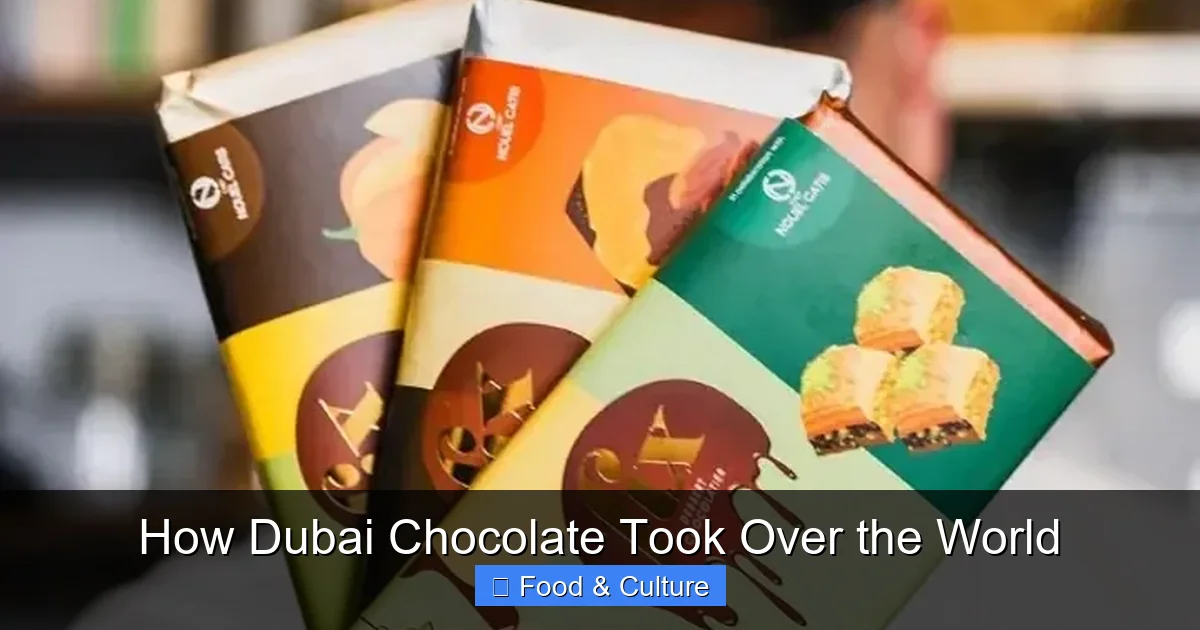
Dubai chocolate, with its golden hues, glossy finishes, and intricate packaging, is a photographer’s dream. A simple video of someone breaking open a bar to reveal molten date caramel or sprinkling gold leaf can rack up millions of views. The “unboxing” trend, popularized by beauty and tech influencers, found a natural home in the world of luxury confections.
How TikTok and Instagram Fueled the Trend
Platforms like TikTok have been instrumental in spreading the Dubai chocolate craze. Hashtags like #DubaiChocolate and #SaffronChocolate have garnered hundreds of thousands of posts, with users sharing their reactions, recipes, and travel experiences. One viral video showed a woman in London trying camel milk chocolate for the first time—her wide-eyed surprise and delighted smile were shared across continents.
Influencers and food bloggers also played a key role. By featuring Dubai chocolate in their content—whether in Dubai travel vlogs or luxury food reviews—they introduced it to audiences who might never have encountered it otherwise. The visual appeal, combined with the novelty of the flavors, made it highly shareable.
The Power of User-Generated Content
What’s remarkable about the social media buzz is how much of it is organic. Unlike some trends driven by paid promotions, Dubai chocolate’s popularity grew largely through word-of-mouth and genuine enthusiasm. Travelers returning from Dubai would bring back bars as souvenirs, sparking curiosity among friends and family. Online communities began swapping tips on where to buy the best chocolate, how to store it, and which flavors to try.
This grassroots movement created a sense of authenticity that resonated with consumers. It wasn’t just a marketing campaign—it was a cultural exchange, facilitated by digital platforms.
From Local Boutiques to Global Shelves

Visual guide about How Dubai Chocolate Took Over the World
Image source: cdn-fastly.thesimplifydaily.com
As demand grew, so did the reach of Dubai chocolate. What began as a niche product sold in local boutiques and hotel gift shops gradually expanded to international markets.
Brands like Mirzam and Patchi opened stores in major cities like London, Paris, and New York. Duty-free shops at Dubai International Airport became hotspots for travelers looking to take home a taste of the city. Online retailers also began offering international shipping, making it easier than ever to get your hands on a bar—even if you’ve never set foot in the UAE.
Strategic Expansion and Retail Partnerships
The global expansion wasn’t accidental. Brands invested in strategic partnerships with luxury retailers, gourmet food stores, and online platforms. For example, Mirzam partnered with high-end department stores to create exclusive product lines, while Patchi collaborated with airlines to offer chocolate boxes as in-flight gifts.
These partnerships helped position Dubai chocolate as a premium product, worthy of its price tag. Limited-edition releases, seasonal flavors, and gift sets further enhanced its appeal as a luxury item.
Challenges of Scaling Up
Of course, going global came with challenges. Maintaining quality and consistency across different markets required careful planning. Sourcing rare ingredients like saffron and camel milk in large quantities was difficult, and shipping perishable goods internationally posed logistical hurdles.
To address these issues, brands invested in better supply chains, improved packaging, and stricter quality control. Some also began producing certain flavors locally in target markets to reduce shipping times and costs.
The Role of Tourism and Luxury Travel
Dubai’s status as a global tourism hub played a crucial role in the chocolate’s rise. Millions of visitors pass through the city each year, many of whom are eager to take home unique souvenirs. Chocolate, with its long shelf life and universal appeal, became a top choice.
Luxury hotels and resorts also embraced the trend. High-end properties like the Burj Al Arab and Atlantis The Palm began offering chocolate-making workshops, where guests could learn to craft their own bars using local ingredients. These experiences added a layer of interactivity and education, turning chocolate into more than just a treat—it became a memory.
Chocolate as a Cultural Souvenir
For many travelers, Dubai chocolate represents more than just a snack—it’s a tangible piece of the culture. Unlike mass-produced souvenirs, it carries the essence of the place: the spices, the hospitality, the blend of tradition and modernity. Giving a box of Dubai chocolate as a gift feels personal and meaningful, a way to share a piece of the journey with loved ones.
This emotional connection has helped sustain demand even after the initial social media buzz faded. People don’t just buy it because it’s trendy—they buy it because it tells a story.
The Future of Dubai Chocolate
As Dubai chocolate continues to gain popularity, the industry is evolving to meet new consumer demands. Sustainability, ethical sourcing, and innovation are becoming key priorities.
Many brands are now focusing on fair-trade cacao, eco-friendly packaging, and supporting local farmers. Mirzam, for instance, has launched initiatives to reduce plastic use and promote recycling. Others are experimenting with plant-based chocolates and allergen-free options to cater to diverse dietary needs.
Innovation on the Horizon
The future looks bright for Dubai chocolate. Chefs and chocolatiers are exploring new flavor combinations, such as chocolate infused with Arabic coffee, za’atar, or even local honey. There’s also growing interest in功能性巧克力 (functional chocolate)—bars enriched with vitamins, probiotics, or adaptogens for health benefits.
As the world becomes more connected, Dubai chocolate is poised to inspire similar fusion trends in other regions. Imagine Tokyo chocolate with matcha and yuzu, or Mexico City chocolate with chili and cacao nibs. The blueprint is there—take local flavors, elevate them with craftsmanship, and share them with the world.
Conclusion
Dubai chocolate’s journey from a regional delicacy to a global sensation is a testament to the power of culture, creativity, and connection. It’s more than just a sweet treat—it’s a symbol of identity, innovation, and the universal love of good food.
By blending traditional Emirati ingredients with world-class chocolate-making techniques, Dubai has created something truly unique. And thanks to social media, tourism, and smart branding, that uniqueness has reached every corner of the globe.
Whether you’re savoring a saffron-infused bar in a Dubai café or unwrapping a gift from a friend who just returned from the UAE, you’re part of a larger story—one that celebrates the beauty of cultural fusion and the joy of discovery.
So the next time you see a golden-wrapped chocolate bar, don’t just think of it as dessert. Think of it as a passport to a world of flavor, history, and human connection. That’s the magic of Dubai chocolate.
🎥 Related Video: How The Dubai Chocolate Craze Won Over Trader Joe's, Costco And Crumbl
📺 CNBC
Originally sold by Fix Dessert Chocolatier in 2022, Dubai Chocolate bars have exploded in popularity. Their scarcity has fueled …
Frequently Asked Questions
What is Dubai chocolate?
Dubai chocolate refers to artisanal chocolates made in the UAE, often infused with local flavors like saffron, cardamom, dates, and camel milk. It combines Middle Eastern culinary traditions with European chocolate craftsmanship.
Where can I buy authentic Dubai chocolate?
You can buy authentic Dubai chocolate in specialty boutiques in Dubai, luxury hotels, airport duty-free shops, or through online retailers that ship internationally.
Is Dubai chocolate expensive?
Yes, Dubai chocolate is generally priced as a premium product due to its high-quality ingredients, artisanal production, and luxurious packaging. Prices vary but often range from $15 to $50 per box.
How should I store Dubai chocolate?
Store Dubai chocolate in a cool, dry place away from direct sunlight and strong odors. Avoid refrigeration, as it can cause condensation and affect texture. Consume within 6–12 months for best quality.
What are the most popular flavors of Dubai chocolate?
Popular flavors include saffron and pistachio, date caramel, cardamom dark chocolate, rosewater white chocolate, and camel milk chocolate with gold leaf.
Is Dubai chocolate halal?
Most Dubai chocolate brands are halal-certified, especially those produced in the UAE. Look for halal certification on the packaging if this is important to you.
