
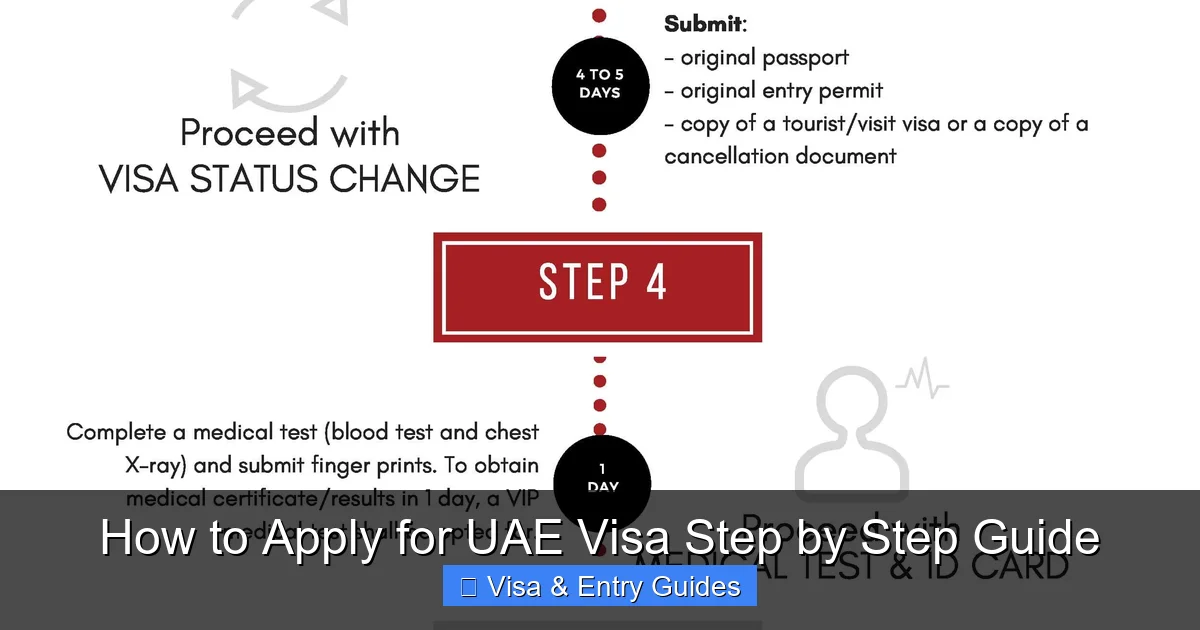
Applying for a UAE visa doesn’t have to be confusing. This guide walks you through every step—from choosing the right visa type to submitting your application and tracking your status. Whether you’re visiting, working, or relocating, we’ve got you covered with clear, practical advice.
Key Takeaways
- Choose the right visa type: Tourist, transit, work, or residency—each has different requirements and processes.
- Apply online for faster processing: Most UAE visas can now be applied for through official government portals or authorized platforms.
- Gather required documents early: Passport copies, photos, flight tickets, and accommodation proof are commonly needed.
- Use a sponsor when necessary: Work and long-term visas often require a UAE-based employer or family member to sponsor your application.
- Track your application status: Most platforms allow real-time updates so you know exactly where you stand.
- Be aware of processing times: Tourist visas take 3–5 days; work visas may take 2–4 weeks depending on complexity.
- Check visa validity and entry rules: Some visas allow multiple entries, while others are single-use—know the difference.
Quick Answers to Common Questions
Can I apply for a UAE visa online?
Yes, most UAE visas can be applied for online through official government portals like the ICP Smart Services or GDRFA Dubai websites.
How long does it take to get a UAE tourist visa?
A UAE tourist visa typically takes 3–5 working days to process, but it’s best to apply at least a week in advance.
Do I need a sponsor for a tourist visa?
Not always. If you’re booking through a hotel or travel agency, they can act as your sponsor. Some nationalities also get visa on arrival.
Can I extend my UAE tourist visa?
Yes, tourist visas can usually be extended once for 30 days, subject to approval and additional fees.
What happens if my UAE visa application is rejected?
If rejected, you’ll receive a reason for the denial. You can reapply after addressing the issue, such as providing missing documents or correcting errors.
📑 Table of Contents
How to Apply for UAE Visa Step by Step Guide
Planning a trip to the United Arab Emirates? Whether you’re heading to Dubai for shopping, Abu Dhabi for culture, or Sharjah for business, one thing is certain—you’ll need a visa. The good news? Applying for a UAE visa has never been easier. With digital platforms, clear guidelines, and multiple visa options, the process is straightforward if you know what to do.
In this guide, we’ll walk you through everything you need to know about how to apply for a UAE visa. From understanding the different types of visas to submitting your application and tracking its progress, we’ve broken it down into simple, actionable steps. No jargon, no confusion—just clear, practical advice to help you get your visa smoothly and stress-free.
Understanding UAE Visa Types
Before you start your application, it’s important to know which type of visa you need. The UAE offers several visa categories, each designed for different purposes and durations of stay.
Tourist Visa
The most common type, the tourist visa, is ideal for short visits—usually for leisure, sightseeing, or visiting family and friends. It’s typically valid for 30 or 90 days and can be single or multiple entry. Many nationalities can even get a visa on arrival, but it’s always safer to apply in advance.
Visual guide about How to Apply for UAE Visa Step by Step Guide
Image source: omartourism.com
Transit Visa
If you’re passing through the UAE on your way to another destination, a transit visa allows you to stay for up to 96 hours. This is perfect for layovers in Dubai or Abu Dhabi. You’ll need a confirmed onward ticket and a valid passport.
Work Visa
For those moving to the UAE for employment, a work visa is required. This is usually sponsored by your employer and includes a residence permit. The process involves medical tests, Emirates ID registration, and labor approval.
Student Visa
Students enrolled in UAE-based universities or colleges can apply for a student visa. This is typically sponsored by the educational institution and valid for the duration of the course.
Residence Visa
If you’re planning to live in the UAE long-term—whether through employment, investment, or family sponsorship—you’ll need a residence visa. This allows you to stay for one to three years and can be renewed.
Golden Visa
The UAE’s Golden Visa is a long-term residency program for investors, entrepreneurs, skilled professionals, and outstanding students. It offers 5- or 10-year residency without a sponsor, making it a popular choice for expats.
Who Can Apply for a UAE Visa?
Almost anyone can apply for a UAE visa, but eligibility depends on your nationality, purpose of visit, and supporting documents. Citizens of over 70 countries—including the US, UK, Canada, Australia, and most EU nations—can enter the UAE visa-free or get a visa on arrival for short stays.
However, if your country isn’t on the visa-exempt list, you’ll need to apply in advance. This includes travelers from India, Pakistan, the Philippines, and many African nations. In these cases, you’ll need a sponsor—such as a hotel, travel agency, employer, or UAE resident—to initiate your application.
Do You Need a Sponsor?
For tourist visas, hotels and travel agencies often act as sponsors. For work or long-term visas, your employer or a family member in the UAE usually sponsors you. The sponsor submits the application on your behalf and ensures compliance with UAE immigration rules.
Visual guide about How to Apply for UAE Visa Step by Step Guide
Image source: riotravels.ae
Step-by-Step Guide to Applying for a UAE Visa
Now that you know the basics, let’s dive into the actual process. Here’s a clear, step-by-step breakdown of how to apply for a UAE visa.
Step 1: Determine Your Visa Type
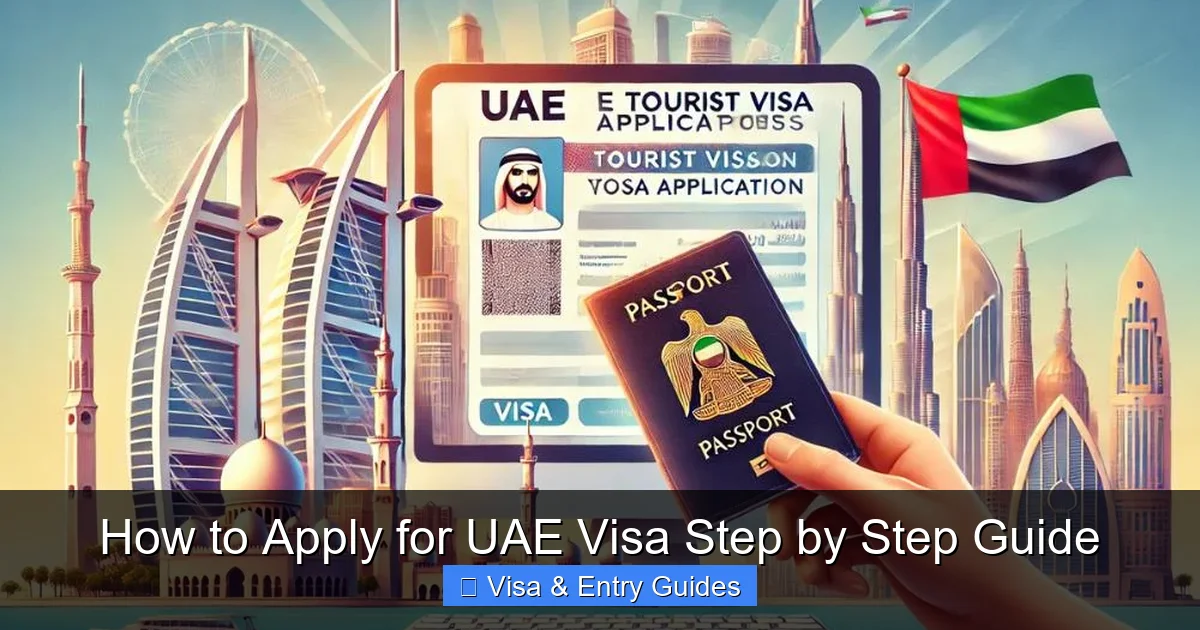
Start by identifying the correct visa for your purpose. Are you visiting for tourism, business, work, or study? Each type has different requirements and processing times. For example, a tourist visa is simpler and faster, while a work visa involves more steps like medical checks and labor approval.
Visual guide about How to Apply for UAE Visa Step by Step Guide
Image source: alonereaders.com
Step 2: Find a Sponsor (If Required)
If you’re applying for a work, student, or long-term visa, you’ll need a sponsor. For tourists, your hotel or travel agency can often act as your sponsor. Make sure they are authorized by the UAE government to process visas.
Step 3: Gather Required Documents
Prepare the necessary documents in advance to avoid delays. Common requirements include:
- Passport copy (valid for at least 6 months)
- Passport-sized photo (white background)
- Completed visa application form
- Flight itinerary (round-trip)
- Hotel booking or accommodation proof
- Bank statements (for some visa types)
- Employment letter or sponsorship letter (for work visas)
Tip: Scan all documents in high quality and save them as PDFs for easy upload.
Step 4: Submit Your Application
You can apply for a UAE visa through several official channels:
- UAE ICP Smart Services Portal: The official government platform for visa applications.
- GDRFA Dubai: For visas related to Dubai, use the General Directorate of Residency and Foreigners Affairs portal.
- Authorized Travel Agencies: Many agencies offer visa processing as part of their travel packages.
- Airlines: Emirates, Etihad, and Flydubai allow passengers to apply for visas when booking flights.
Simply create an account, fill out the form, upload your documents, and pay the fee online.
Step 5: Pay the Visa Fee
Visa fees vary depending on the type and duration. A 30-day tourist visa typically costs between AED 100–300 (approx. $27–82), while work visas can cost AED 500 or more. Payment is usually made via credit card or online banking.
Step 6: Track Your Application
After submission, you’ll receive a reference number. Use this to track your application status on the same portal. Most tourist visas are processed within 3–5 working days. Work visas may take 2–4 weeks due to additional checks.
Step 7: Receive Your Visa
Once approved, your visa will be emailed to you as a PDF. Print a copy and carry it with you when traveling. The visa will also be linked to your passport, so immigration officers can verify it upon arrival.
Tips for a Smooth UAE Visa Application
Even with the right steps, small mistakes can delay your application. Here are some practical tips to ensure everything goes smoothly.
Apply Early
Don’t wait until the last minute. Apply at least 7–10 days before your travel date to account for processing and potential delays.
Double-Check Your Documents
A blurry photo or expired passport copy is a common reason for rejection. Make sure all documents are clear, valid, and match the information in your application.
Use Official Platforms
Avoid third-party websites that charge high fees or promise “instant visas.” Stick to government portals or trusted airlines and travel agencies.
Be Honest in Your Application
Provide accurate information about your travel plans, accommodation, and purpose of visit. False details can lead to visa denial or future entry bans.
Check Visa Validity and Entry Rules
Some visas allow multiple entries, while others are single-use. Also, note the validity period—entering after the visa expires can result in fines or deportation.
What to Do After Arriving in the UAE
Once you land in the UAE, immigration officers will stamp your passport and verify your visa. Keep your printed visa copy handy, along with your return ticket and accommodation details.
Register for Emirates ID (If Staying Long-Term)
If you’re on a work or residence visa, you’ll need to apply for an Emirates ID within 30 days of arrival. This is a mandatory identity card for all residents.
Undergo Medical Testing (For Work Visas)
Work visa holders must complete a medical test for infectious diseases like tuberculosis and HIV. This is usually done at approved health centers.
Collect Your Residence Permit
After medical clearance and Emirates ID issuance, your employer will help you collect your residence permit, officially allowing you to live and work in the UAE.
Common Mistakes to Avoid
Even experienced travelers make errors. Here are some common pitfalls and how to avoid them.
Applying Too Late
Waiting until a few days before travel is risky. Processing can take longer during peak seasons or holidays.
Using Expired or Damaged Passports
Your passport must be valid for at least 6 months and in good condition. Cracked pages or faded text can cause issues.
Ignoring Visa Conditions
Overstaying your visa—even by a day—can result in fines (AED 50 per day) and future entry bans. Always check your visa’s expiry date.
Not Having Proof of Return
Immigration officers may ask for a return or onward ticket. Without one, you could be denied entry.
Conclusion
Applying for a UAE visa doesn’t have to be overwhelming. With the right information and preparation, the process is simple and efficient. Whether you’re visiting for a weekend getaway or moving for a new job, understanding the steps—from choosing the right visa to submitting your documents—can save you time, money, and stress.
Remember to apply early, use official platforms, and double-check all details. Keep your documents organized, and don’t hesitate to reach out to your sponsor or airline for help. The UAE welcomes millions of visitors each year, and with this guide, you’ll be well on your way to joining them.
So pack your bags, book your flight, and get ready to explore the dazzling cities, rich culture, and endless opportunities that the UAE has to offer.
Frequently Asked Questions
How much does a UAE visa cost?
The cost varies by type. A 30-day tourist visa usually costs between AED 100–300, while work visas can cost AED 500 or more, plus additional fees for medical tests and Emirates ID.
Can I work in the UAE on a tourist visa?
No, working on a tourist visa is illegal. You must have a valid work visa and residence permit issued by your employer.
Is a UAE visa the same as an Emirates ID?
No. A visa allows you to enter and stay in the UAE, while an Emirates ID is a mandatory identity card for all residents, issued after arrival.
Can I apply for a UAE visa if I have a criminal record?
It depends on the nature and severity of the offense. Some criminal records may lead to visa denial, especially for long-term visas. Consult with a UAE immigration expert for guidance.
Do children need a separate UAE visa?
Yes, every traveler—including infants—must have their own visa. Children’s visas are usually processed alongside adult applications.
Can I travel to other Gulf countries with a UAE visa?
No, a UAE visa only allows entry into the UAE. However, some GCC countries have reciprocal agreements, but you’ll still need to check individual entry requirements.
