
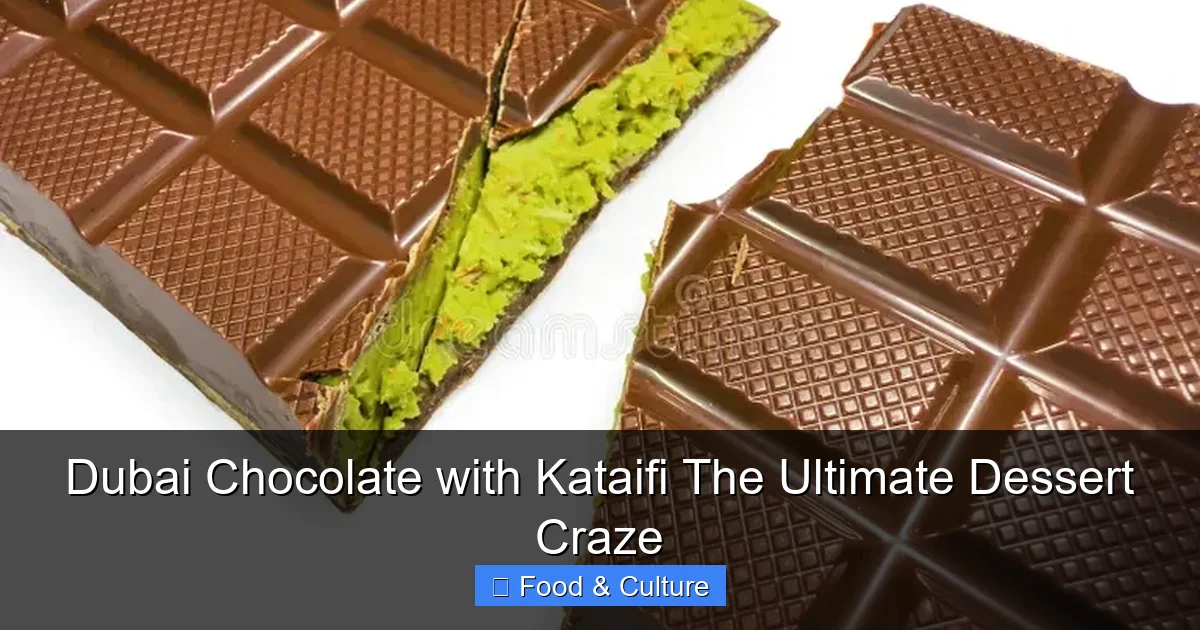
Dubai chocolate with kataifi has exploded into a global dessert phenomenon, blending rich chocolate, creamy fillings, and crispy kataifi pastry into one irresistible bite. Loved by foodies and influencers alike, this luxurious treat combines Middle Eastern tradition with modern indulgence, making it a must-try for anyone with a sweet tooth.
Imagine biting into a rich, velvety chocolate shell that gives way to a luscious, creamy center—only to be met with the unexpected crunch of delicate, golden threads of pastry. That’s the magic of Dubai chocolate with kataifi, a dessert that’s not just a treat, but an experience. In recent years, this luxurious confection has taken the world by storm, captivating taste buds and social media feeds alike. From Dubai’s opulent dessert cafes to home kitchens in London, New York, and beyond, this fusion dessert has become a symbol of indulgence, innovation, and cross-cultural flavor.
What makes Dubai chocolate with kataifi so special isn’t just its taste—it’s the story behind it. Born in the heart of one of the world’s most cosmopolitan cities, this dessert represents the perfect marriage of tradition and modernity. Dubai, known for its sky-high ambitions and love for luxury, has long been a hub for culinary experimentation. Here, chefs and chocolatiers draw inspiration from both local heritage and global trends, creating dishes that are as Instagram-worthy as they are delicious. And when it comes to sweets, few have captured the imagination quite like this chocolate-kataifi masterpiece.
At its core, Dubai chocolate with kataifi is a celebration of contrast. The smooth, melt-in-your-mouth chocolate exterior gives way to a creamy, often nutty or date-infused filling, all wrapped around a core of crispy, shredded kataifi pastry. Kataifi, a Middle Eastern dough made from ultra-thin strands of phyllo-like pastry, is typically used in desserts like baklava or knafeh. But in this modern interpretation, it’s transformed into a textural star—adding a satisfying crunch that elevates the entire dessert. Whether filled with pistachio cream, date caramel, or even Nutella, the combination is nothing short of divine.
Contents
- 1 Key Takeaways
- 2 Quick Answers to Common Questions
- 3 📑 Table of Contents
- 4 The Origins of Dubai Chocolate with Kataifi
- 5 What Makes Kataifi So Special?
- 6 The Flavors That Define Dubai Chocolate
- 7 Why It’s Gone Viral
- 8 How to Enjoy Dubai Chocolate with Kataifi
- 9 The Global Spread of a Local Favorite
- 10 Conclusion
- 11 Frequently Asked Questions
Key Takeaways
- Dubai chocolate with kataifi is a luxurious fusion dessert that combines silky chocolate, creamy pistachio or date fillings, and crispy shredded kataifi pastry for a unique texture and flavor experience.
- It originated in Dubai’s high-end patisseries and quickly gained viral fame on social media, especially TikTok and Instagram, thanks to its photogenic layers and decadent taste.
- The dessert reflects Dubai’s culinary innovation, blending traditional Middle Eastern ingredients like kataifi and dates with European chocolate techniques.
- Kataifi adds a signature crunch that contrasts beautifully with the smooth chocolate and creamy center, creating a multi-sensory eating experience.
- It’s now available globally in specialty shops, online stores, and even mainstream bakeries, making it more accessible than ever.
- Perfect for gifting or special occasions, Dubai chocolate with kataifi is often elegantly packaged and ideal for holidays, weddings, or as a luxurious treat.
- Homemade versions are gaining popularity, with food enthusiasts trying their hand at recreating the dessert using accessible ingredients and simple techniques.
Quick Answers to Common Questions
What is Dubai chocolate with kataifi?
Dubai chocolate with kataifi is a luxurious dessert that combines a rich chocolate shell with a creamy filling and crispy shredded kataifi pastry, creating a unique texture and flavor experience.
Where did Dubai chocolate with kataifi originate?
It originated in high-end patisseries in Dubai, where chefs began blending traditional Middle Eastern ingredients like kataifi with premium chocolate to create a modern fusion dessert.
What is kataifi?
Kataifi is a shredded pastry made from thin strands of dough, commonly used in Middle Eastern desserts like baklava and knafeh. It adds a light, crispy texture to sweets.
What flavors are commonly used in Dubai chocolate with kataifi?
Popular flavors include pistachio cream, date caramel, rose and cardamom, and Nutella. Some versions also feature saffron, orange zest, or seasonal fruits.
Can I make Dubai chocolate with kataifi at home?
Yes! With kataifi dough, chocolate, and your choice of filling, you can recreate this dessert at home. It’s easier than it looks and makes for a fun baking project.
📑 Table of Contents
The Origins of Dubai Chocolate with Kataifi
To truly appreciate Dubai chocolate with kataifi, it’s important to understand where it came from. While chocolate itself has European roots, and kataifi is a staple of Levantine cuisine, it was in Dubai—a city built on cultural exchange—that these elements came together in a groundbreaking way. The dessert is believed to have originated in high-end patisseries and boutique chocolate shops in the early 2020s, where innovative chefs began experimenting with local ingredients and global techniques.
One of the earliest versions is credited to a renowned Dubai-based chocolatier who wanted to create a dessert that honored Emirati flavors while appealing to an international audience. By combining premium Belgian or Swiss chocolate with traditional kataifi and regional fillings like date paste or cardamom-infused cream, they crafted a treat that was both familiar and excitingly new. The result? A dessert that quickly became a favorite among locals and tourists alike.
What set this creation apart was its ability to tell a story. Every bite of Dubai chocolate with kataifi carries the essence of the Middle East—its history, its hospitality, and its love for sweetness. The use of kataifi, for instance, is a nod to centuries-old Arab pastry traditions, while the chocolate shell reflects Dubai’s global outlook and access to world-class ingredients. It’s this blend of old and new that gives the dessert its unique identity.
As word spread, the dessert began appearing on social media platforms, especially TikTok and Instagram. Influencers and food bloggers flocked to Dubai’s trendiest cafes to try it, often filming slow-motion bites that showcased the chocolate cracking open to reveal the golden kataifi inside. These videos went viral, sparking a global craving for the treat. Soon, people were searching for “Dubai chocolate with kataifi” online, asking where they could buy it, and even trying to make it at home.
What Makes Kataifi So Special?
Visual guide about Dubai Chocolate with Kataifi The Ultimate Dessert Craze
Image source: myrecipecast.com
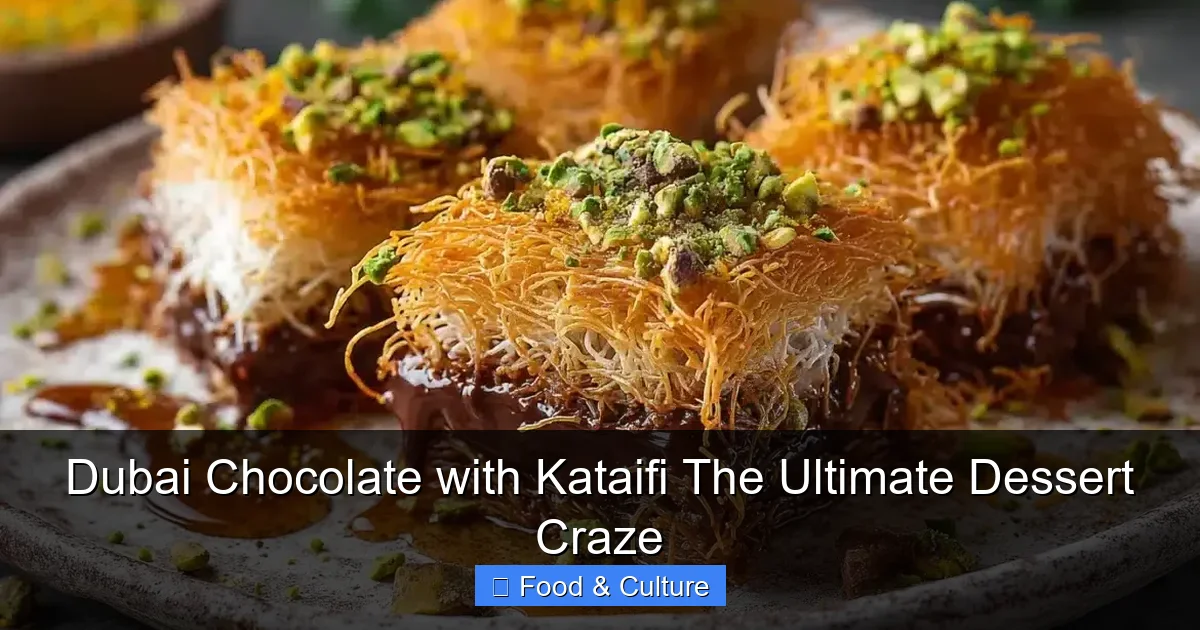
If you’re not familiar with kataifi, you’re in for a treat—literally. Kataifi (also spelled kataifi or kadayıf) is a type of shredded pastry that’s a cornerstone of Middle Eastern and Mediterranean desserts. Made from thin strands of dough that resemble angel hair pasta, it’s typically baked or fried until golden and crispy, then soaked in syrup or layered with nuts and cream. Think of it as the flaky, crunchy cousin of phyllo dough, but with a texture all its own.
What makes kataifi so special in Dubai chocolate is its ability to add contrast. While chocolate is smooth and creamy, kataifi is light, airy, and crunchy. When you bite into a piece of Dubai chocolate with kataifi, the first sensation is the snap of the chocolate shell, followed by the softness of the filling, and then—surprise!—the delicate crunch of the kataifi strands. This interplay of textures is what makes the dessert so addictive.
But kataifi isn’t just about texture. It also brings a subtle nutty flavor that complements the richness of chocolate and the sweetness of fillings like pistachio or date. In traditional desserts, kataifi is often paired with walnuts, almonds, or pistachios, and this synergy carries over beautifully into chocolate form. When combined with high-quality chocolate, the result is a balanced, complex flavor profile that’s both indulgent and refined.
Another reason kataifi works so well in chocolate is its versatility. It can be used in different ways—some versions wrap the kataifi around the filling before enrobing it in chocolate, while others layer it inside or sprinkle it on top. Some artisans even toast the kataifi lightly before use to enhance its crunch and aroma. This flexibility allows for endless creativity, making each chocolate unique.
For those new to kataifi, it might seem intimidating, but it’s actually quite accessible. You can find kataifi dough in most Middle Eastern grocery stores, often sold frozen or refrigerated. It comes in two main forms: shredded (which looks like fine threads) and woven (which resembles a nest). For Dubai chocolate, the shredded version is typically used, as it’s easier to shape and provides a more even crunch.
The Flavors That Define Dubai Chocolate
Visual guide about Dubai Chocolate with Kataifi The Ultimate Dessert Craze
Image source: as1.ftcdn.net
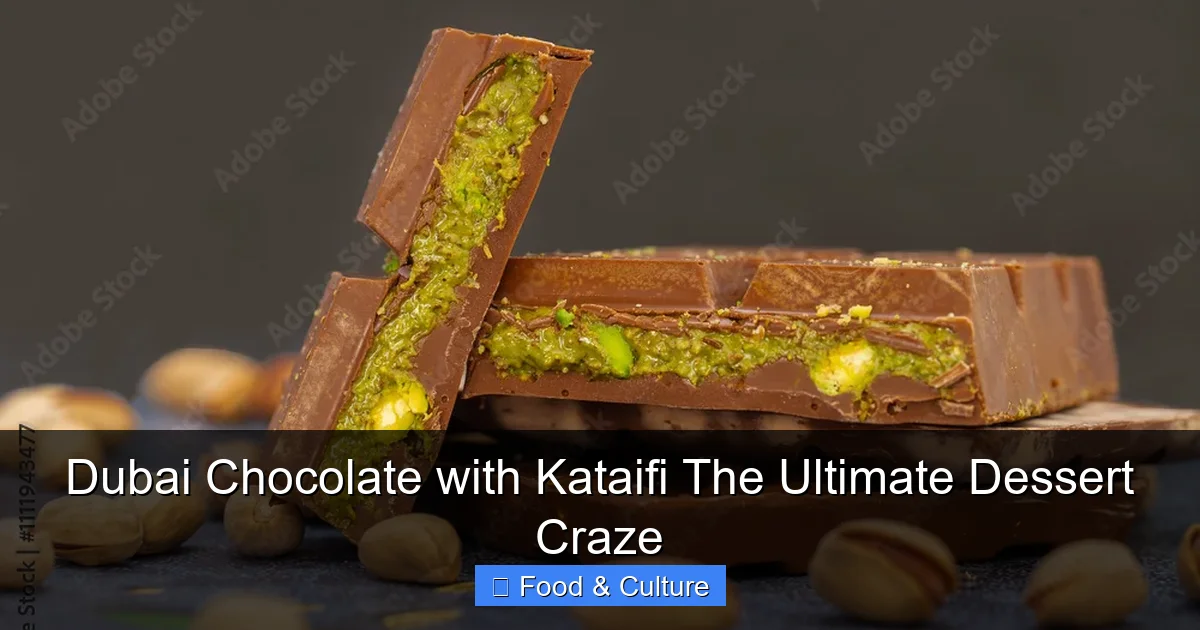
One of the reasons Dubai chocolate with kataifi has become such a sensation is its incredible range of flavors. While the base—chocolate and kataifi—remains consistent, the fillings and additions can vary widely, allowing for endless customization. Here are some of the most popular and delicious flavor combinations that define this dessert craze.
Pistachio Perfection
Perhaps the most iconic version of Dubai chocolate with kataifi features a rich pistachio cream filling. Made from finely ground roasted pistachios, sugar, and sometimes a touch of rose water or orange blossom water, this filling is creamy, nutty, and slightly floral. When paired with dark or milk chocolate and crispy kataifi, it creates a luxurious bite that’s both familiar and exotic. Pistachios are a staple in Middle Eastern cuisine, and their inclusion in this dessert pays homage to the region’s culinary heritage.
Date Delight
Dates are another beloved ingredient in Emirati culture, often enjoyed as a natural sweetener or snack. In Dubai chocolate, date paste or date caramel is used to create a deep, caramel-like filling that’s rich and slightly chewy. When combined with kataifi and chocolate, the result is a dessert that tastes like a grown-up version of a date square—only far more elegant. Some versions even include a hint of cardamom or cinnamon to enhance the warmth and complexity of the flavor.
Rose and Cardamom Elegance
For a truly aromatic experience, many artisans infuse their fillings with rose water and cardamom. These ingredients are staples in Middle Eastern sweets and add a floral, slightly spicy note that elevates the chocolate. Rose and cardamom pair beautifully with white or milk chocolate, creating a dessert that’s as beautiful as it is delicious. The kataifi adds a subtle crunch that cuts through the richness, making each bite balanced and refreshing.
Nutella and Beyond
While traditional flavors dominate the high-end market, more accessible versions of Dubai chocolate with kataifi often feature Nutella or chocolate-hazelnut spread. These fillings are beloved by chocolate lovers worldwide and make the dessert approachable for those new to Middle Eastern flavors. The combination of Nutella, kataifi, and chocolate is pure indulgence—think of it as a gourmet take on a chocolate-covered hazelnut bar, but with a crispy twist.
Seasonal and Creative Twists
As the dessert gains popularity, chefs and home bakers are experimenting with seasonal and creative variations. Some versions include saffron-infused cream, orange zest, or even matcha powder for a modern twist. Others incorporate seasonal fruits like figs or pomegranate seeds for a burst of freshness. The possibilities are endless, and that’s part of what makes Dubai chocolate with kataifi so exciting.
Why It’s Gone Viral
Visual guide about Dubai Chocolate with Kataifi The Ultimate Dessert Craze
Image source: myrecipecast.com
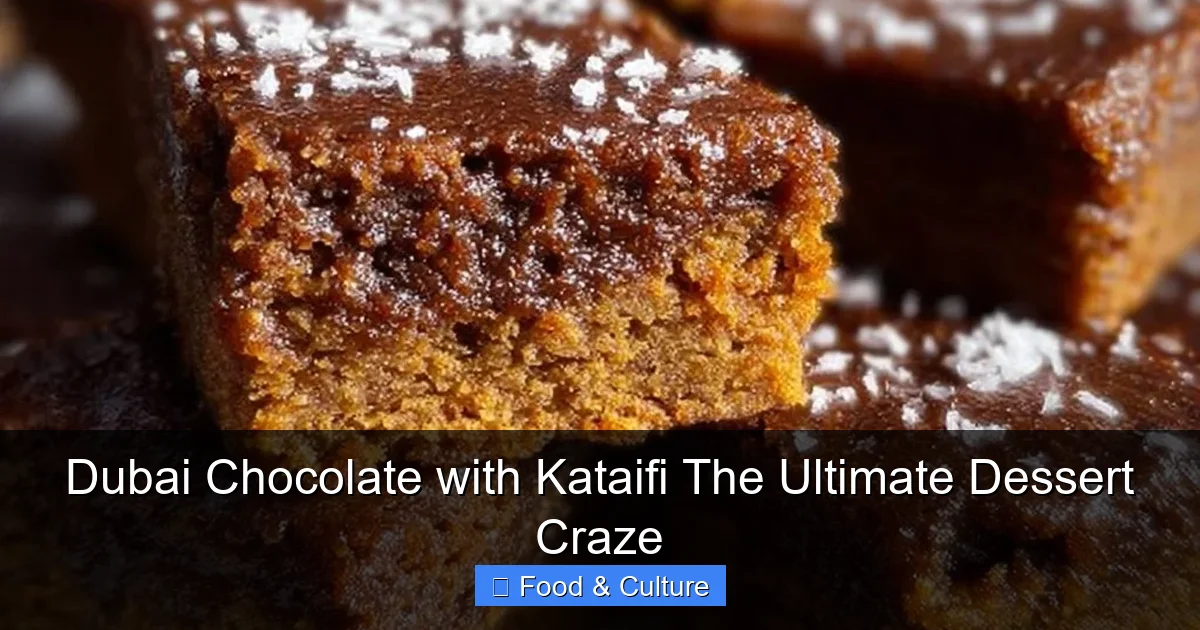
If you’ve spent any time on social media in the past year, you’ve probably seen Dubai chocolate with kataifi. From TikTok videos of slow-motion bites to Instagram reels of elegant dessert boxes, this treat has become a viral sensation. But what’s behind its meteoric rise?
The Power of Visual Appeal
Let’s be honest—part of the appeal is how good it looks. Dubai chocolate with kataifi is inherently photogenic. The contrast between the dark chocolate shell and the golden kataifi inside creates a stunning visual effect, especially when the chocolate is cracked open to reveal the layers. Food influencers love it because it’s “bite-worthy”—perfect for close-up shots and satisfying ASMR content.
FOMO and the Luxury Factor
There’s also a strong element of FOMO (fear of missing out). As videos of people trying the dessert in Dubai spread online, viewers began to wonder, “What am I missing?” The association with Dubai—a city synonymous with luxury, wealth, and exclusivity—adds to the allure. Eating Dubai chocolate with kataifi feels like indulging in a little piece of that glamour, even if you’re thousands of miles away.
Accessibility and Shareability
Another reason for its viral success is its shareability. The dessert is often sold in elegant boxes of six or twelve pieces, making it perfect for gifting or sharing with friends. It’s also easy to ship, thanks to its sturdy chocolate shell, which has helped it gain popularity in online dessert shops. Many companies now offer nationwide delivery, allowing people to enjoy the treat without traveling to Dubai.
Influencer Endorsements
Food influencers and celebrity chefs have played a huge role in popularizing Dubai chocolate with kataifi. When a well-known figure posts a review or recipe, it can spark a wave of interest. Some influencers have even partnered with brands to create limited-edition flavors, further fueling the hype.
How to Enjoy Dubai Chocolate with Kataifi
Whether you’re trying it for the first time or you’re a seasoned fan, there are a few tips to make the most of your Dubai chocolate with kataifi experience.
Serve at Room Temperature
For the best texture, let the chocolate come to room temperature before eating. Cold chocolate can be too hard, making it difficult to bite through the kataifi. Allowing it to warm slightly ensures a perfect snap and a creamy, melt-in-your-mouth filling.
Pair with Tea or Coffee
Dubai chocolate with kataifi pairs beautifully with a hot beverage. A strong Arabic coffee or a cup of mint tea complements the rich flavors and cuts through the sweetness. For a modern twist, try it with a latte or hot chocolate.
Store Properly
To keep your chocolate fresh, store it in a cool, dry place away from direct sunlight. Avoid refrigeration unless necessary, as moisture can cause the chocolate to bloom (develop a white coating). If you must refrigerate, let it come to room temperature before serving.
Experiment with Homemade Versions
Feeling adventurous? Try making your own Dubai chocolate with kataifi at home. You’ll need kataifi dough, chocolate (dark, milk, or white), and your choice of filling. Melt the chocolate, shape it around a kataifi-wrapped filling, and chill until set. It’s easier than it looks—and incredibly rewarding.
The Global Spread of a Local Favorite
What started as a niche dessert in Dubai has now reached corners of the world far beyond the Middle East. From London to Los Angeles, Sydney to Seoul, Dubai chocolate with kataifi is popping up in specialty shops, online stores, and even mainstream bakeries. Its global appeal lies in its ability to transcend cultural boundaries while still honoring its roots.
In Europe, artisanal chocolatiers are incorporating kataifi into their collections, often marketing it as a “fusion” or “global” dessert. In the U.S., online retailers offer nationwide shipping, making it possible to enjoy the treat without leaving home. In Asia, where sweet and crunchy textures are especially popular, the dessert has found a devoted following.
This global spread is a testament to the power of food as a universal language. Dubai chocolate with kataifi isn’t just a dessert—it’s a bridge between cultures, a celebration of innovation, and a reminder that the best flavors often come from unexpected combinations.
Conclusion
Dubai chocolate with kataifi is more than just a trend—it’s a culinary revolution in a bite-sized package. With its perfect balance of rich chocolate, creamy fillings, and crispy kataifi, it offers a sensory experience that’s hard to forget. Born from the creative spirit of Dubai and fueled by the power of social media, this dessert has captured the hearts (and taste buds) of people around the world.
Whether you’re enjoying it in a luxury patisserie in the UAE or trying your hand at a homemade version in your kitchen, one thing is certain: Dubai chocolate with kataifi is here to stay. It’s a delicious reminder that the best things in life often come from blending the old with the new, the local with the global, and the simple with the spectacular.
So go ahead—indulge. Take a bite. And discover why this dessert isn’t just a craze, but a masterpiece.
Frequently Asked Questions
Is Dubai chocolate with kataifi gluten-free?
No, traditional kataifi dough contains wheat, so it’s not gluten-free. However, some brands are experimenting with gluten-free versions using alternative flours.
How should I store Dubai chocolate with kataifi?
Store it in a cool, dry place away from heat and sunlight. Avoid refrigeration unless necessary, and let it come to room temperature before eating for the best texture.
Where can I buy Dubai chocolate with kataifi?
You can find it in specialty dessert shops in Dubai, online retailers, and increasingly in gourmet bakeries and chocolate shops worldwide.
Is Dubai chocolate with kataifi suitable for vegans?
Most versions are not vegan due to dairy in the chocolate and fillings, but vegan alternatives using plant-based chocolate and nut creams are becoming available.
How long does Dubai chocolate with kataifi last?
When stored properly, it can last up to two weeks. For best quality, consume within a week of purchase.
Why is it called “Dubai chocolate”?
It’s named after Dubai because the dessert was popularized there, even though the ingredients and techniques draw from broader Middle Eastern and global traditions.
