
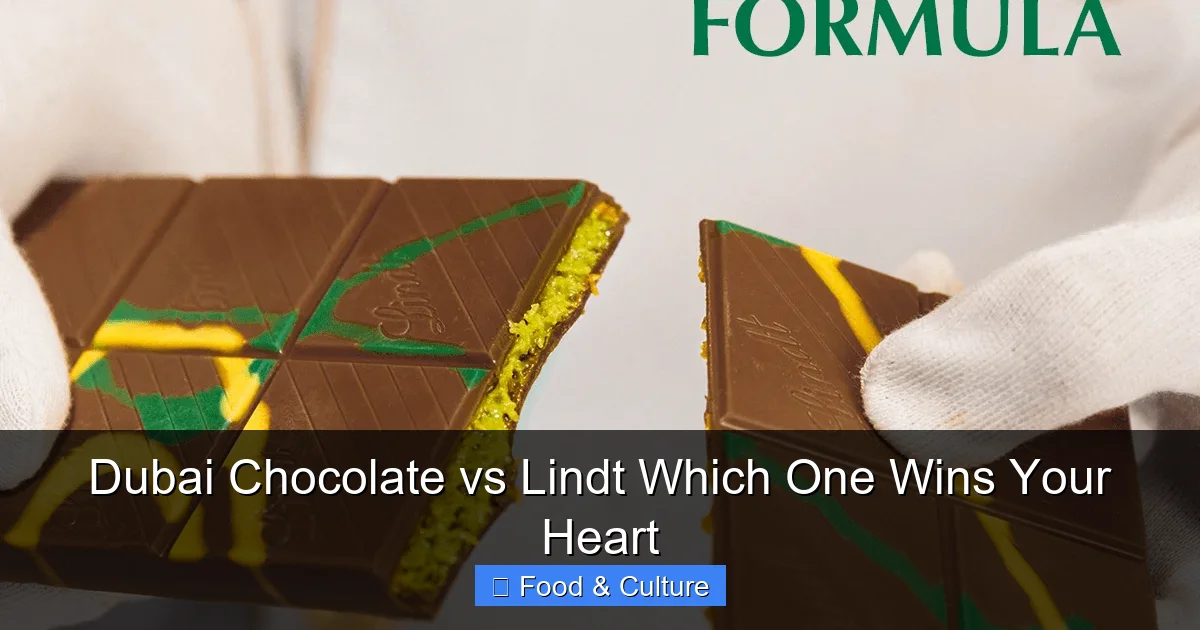
Dubai chocolate and Lindt both offer luxurious experiences, but they cater to different tastes and occasions. While Lindt delivers Swiss precision and creamy smoothness, Dubai chocolate dazzles with bold flavors and opulent presentation—making the choice deeply personal.
Contents
- 1 Key Takeaways
- 2 Quick Answers to Common Questions
- 3 📑 Table of Contents
- 4 Dubai Chocolate vs Lindt: A Sweet Showdown of Luxury and Flavor
- 5 Origins: Swiss Precision vs Middle Eastern Opulence
- 6 Flavor Profiles: Classic Elegance vs Exotic Adventure
- 7 Texture and Mouthfeel: Smooth vs Sensational
- 8 Packaging and Presentation: Understated Elegance vs Dramatic Flair
- 9 Price and Value: Luxury at Different Levels
- 10 Cultural Significance: What Chocolate Says About You
- 11 Final Verdict: Which One Wins Your Heart?
- 12 Frequently Asked Questions
Key Takeaways
- Origin & Heritage: Lindt hails from Switzerland with over 175 years of chocolate mastery, while Dubai chocolate is a modern luxury brand rooted in Middle Eastern flair and innovation.
- Flavor Profiles: Lindt excels in classic, balanced flavors like milk, dark, and hazelnut. Dubai chocolate leans into exotic ingredients like saffron, cardamom, rosewater, and pistachio.
- Texture & Mouthfeel: Lindt is known for its ultra-smooth, melt-in-your-mouth texture. Dubai chocolate often features layered textures—crunchy fillings, chewy nougat, or delicate gold leaf.
- Packaging & Presentation: Dubai chocolate wins in visual drama with ornate boxes, gold accents, and gift-ready designs. Lindt offers elegant but understated packaging focused on brand consistency.
- Price Point: Dubai chocolate is typically more expensive due to premium ingredients and artisanal production. Lindt offers luxury at a more accessible price, especially in its core range.
- Cultural Significance: Lindt symbolizes European refinement and tradition. Dubai chocolate reflects Gulf luxury, hospitality, and a fusion of global influences.
- Best For: Choose Lindt for everyday indulgence or classic gifting. Pick Dubai chocolate for special occasions, cultural experiences, or adventurous palates.
Quick Answers to Common Questions
Is Dubai chocolate really made in Dubai?
Many Dubai chocolates are crafted locally by artisans and boutique brands, though some luxury lines (like Godiva’s Dubai exclusives) are produced abroad but designed for the UAE market.
Can I buy Dubai chocolate outside the UAE?
Yes! Some brands like Mirzam and specialty retailers ship internationally. You can also find Dubai-inspired chocolates in global duty-free shops and online gourmet stores.
Is Lindt chocolate halal?
Yes, most Lindt products are halal-certified, especially those sold in Muslim-majority countries. Check the packaging for certification logos.
Does Dubai chocolate contain alcohol?
Most traditional Dubai chocolates are alcohol-free, but some premium or imported lines may include liqueur fillings. Always check the ingredient list if you’re avoiding alcohol.
Which chocolate is better for gifting?
Lindt is great for everyday gifting, while Dubai chocolate excels for luxury occasions. Choose based on the recipient’s taste and the event’s formality.
📑 Table of Contents
- Dubai Chocolate vs Lindt: A Sweet Showdown of Luxury and Flavor
- Origins: Swiss Precision vs Middle Eastern Opulence
- Flavor Profiles: Classic Elegance vs Exotic Adventure
- Texture and Mouthfeel: Smooth vs Sensational
- Packaging and Presentation: Understated Elegance vs Dramatic Flair
- Price and Value: Luxury at Different Levels
- Cultural Significance: What Chocolate Says About You
- Final Verdict: Which One Wins Your Heart?
Dubai Chocolate vs Lindt: A Sweet Showdown of Luxury and Flavor
Imagine unwrapping a chocolate bar. The scent hits you first—rich, inviting, maybe even a little mysterious. Then you take a bite. Is it smooth and familiar, like a warm hug from your childhood? Or is it bold, unexpected, like a flavor journey through a spice bazaar under desert stars?
That’s the heart of the Dubai chocolate vs Lindt debate. Both are premium chocolates, but they come from very different worlds. One is a century-old Swiss icon, the other a modern Middle Eastern sensation. And while both promise luxury, they deliver it in wildly different ways.
If you’ve ever stood in a duty-free shop, torn between a sleek Lindt bar and a glittering Dubai chocolate box, you’re not alone. This isn’t just about taste—it’s about culture, craftsmanship, and what luxury means to you. In this article, we’ll dive deep into the world of these two chocolate giants. We’ll compare their origins, flavors, textures, packaging, and even their cultural weight. By the end, you’ll know exactly which one wins your heart—and why.
Origins: Swiss Precision vs Middle Eastern Opulence
Visual guide about Dubai Chocolate vs Lindt Which One Wins Your Heart
Image source: lindt.ca
The Swiss Legacy of Lindt
Lindt & Sprüngli, commonly known as Lindt, was founded in 1845 in Zurich, Switzerland. That’s over 175 years of chocolate-making history. The brand’s founder, David Sprüngli, started with a small confectionery shop, but it was his son, Rudolf Sprüngli, who revolutionized chocolate with the invention of conching—a process that smooths cocoa particles and develops flavor.
Today, Lindt is synonymous with Swiss excellence. The company controls every step of production, from bean sourcing to final packaging. Its chocolates are made in state-of-the-art facilities across Europe, with strict quality control and a focus on consistency. Lindt’s signature product, the Lindor truffle, launched in 1989, became a global phenomenon for its velvety center and melt-in-your-mouth texture.
The Rise of Dubai Chocolate
Dubai chocolate, on the other hand, is a relatively new player. While there’s no single “Dubai chocolate” brand, the term refers to high-end chocolates crafted in or inspired by the UAE—especially those sold in luxury boutiques, hotels, and souks. Brands like Mirzam, Godiva (with its Dubai-exclusive lines), and local artisans have elevated chocolate into an art form.
Dubai chocolate emerged from the city’s identity as a global crossroads. It blends traditional Emirati ingredients with international techniques. Think saffron-infused ganache, dates stuffed with dark chocolate, or white chocolate swirled with rosewater and crushed pistachios. These aren’t just sweets—they’re edible souvenirs of a culture that values generosity, beauty, and innovation.
Cultural Roots and Global Appeal
Lindt represents European refinement. Its chocolates are often associated with quiet elegance—perfect for a quiet evening or a thoughtful gift. The brand’s advertising leans into timeless imagery: snowy Alps, cozy cafés, and families sharing moments of joy.
Dubai chocolate, by contrast, is bold and theatrical. It’s designed to impress. Whether it’s a gold-leaf-covered praline or a box shaped like a falcon, every element screams luxury. This reflects the UAE’s culture of hospitality and grandeur. Giving Dubai chocolate isn’t just about taste—it’s about making a statement.
Flavor Profiles: Classic Elegance vs Exotic Adventure
Visual guide about Dubai Chocolate vs Lindt Which One Wins Your Heart
Image source: lindt.ca
Lindt: The Master of Balance
Lindt’s flavor philosophy is rooted in harmony. Whether you’re biting into a 70% dark chocolate bar or a creamy milk chocolate truffle, the experience is smooth, predictable, and deeply satisfying. The brand offers a wide range—milk, dark, white, hazelnut, caramel, and seasonal flavors like peppermint or orange zest.
One of Lindt’s strengths is its ability to highlight the natural taste of cocoa. Their dark chocolates, for example, let the bean shine with notes of fruit, earth, and subtle bitterness. The milk chocolate is rich but not overly sweet, with a creamy finish that lingers just long enough.
Lindt also excels in texture. The Lindor truffles, for instance, have a crisp shell that gives way to an impossibly smooth center. It’s a sensory experience that feels indulgent without being overwhelming.
Dubai Chocolate: A Symphony of Spices and Surprises
Now, let’s talk about Dubai chocolate. If Lindt is a classical symphony, Dubai chocolate is a fusion jazz band—unpredictable, vibrant, and full of surprises.
The flavor palette here is anything but ordinary. You’ll find combinations like:
– Dark chocolate with cardamom and orange blossom
– Milk chocolate filled with date caramel and sea salt
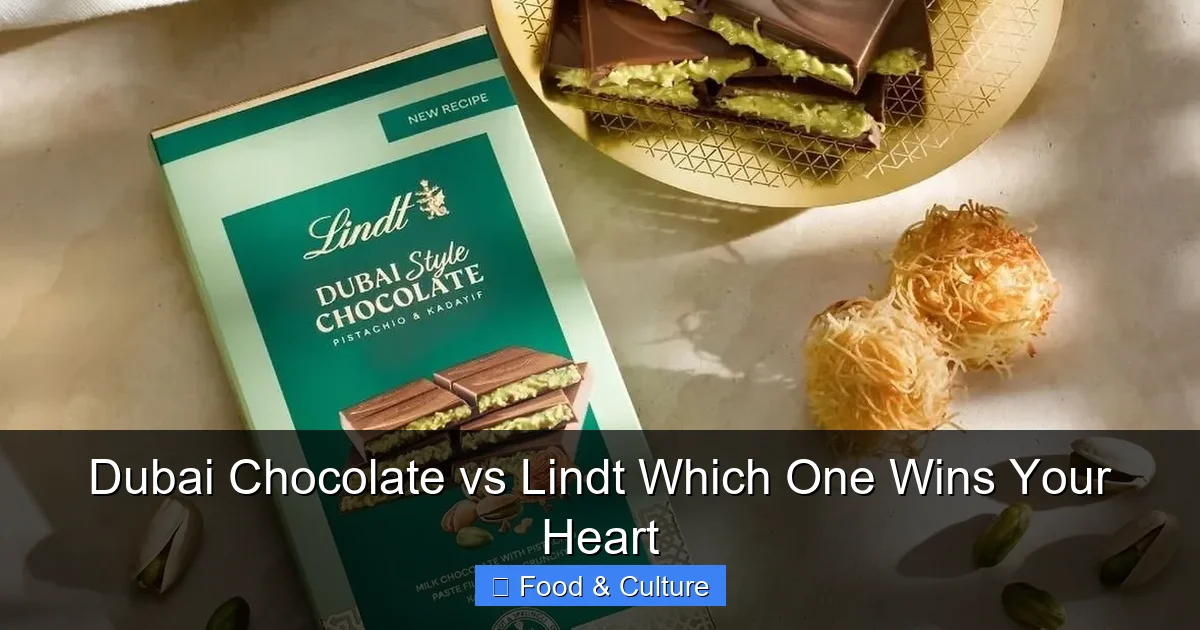
– White chocolate infused with saffron and pistachio
– Ruby chocolate with rose petals and crushed almonds
These flavors aren’t just trendy—they’re deeply rooted in Middle Eastern cuisine. Cardamom is a staple in Arabic coffee, rosewater in desserts like baklava, and dates are a symbol of hospitality. By incorporating these elements, Dubai chocolate creates a sense of place and tradition.
But it’s not just about nostalgia. Many Dubai chocolatiers experiment with modern techniques—like nitrogen freezing or molecular gastronomy—to create textures that surprise and delight. Imagine a chocolate shell that cracks to reveal a chewy date center, or a ganache that fizzes slightly on the tongue.
Which One Suits Your Palate?
If you prefer familiar, comforting flavors, Lindt is your go-to. It’s the chocolate you reach for when you want something reliable and delicious. Great for sharing with kids, gifting to coworkers, or enjoying with a cup of tea.
But if you’re an adventurous eater who loves bold, complex flavors, Dubai chocolate will thrill you. It’s perfect for foodies, travelers, or anyone who wants to experience chocolate as a cultural journey.
Texture and Mouthfeel: Smooth vs Sensational
Visual guide about Dubai Chocolate vs Lindt Which One Wins Your Heart
Image source: lindt.ca
The Lindt Melt: A Study in Perfection
Lindt’s texture is legendary. Thanks to its conching process and high-quality cocoa butter, Lindt chocolate melts evenly and smoothly on the tongue. There’s no grittiness, no waxy residue—just pure, creamy indulgence.
This is especially true for the Lindor truffles. The outer shell is firm but snaps cleanly, while the inside is so soft it practically dissolves. It’s a texture that feels luxurious without being heavy.
Even their solid bars have a refined mouthfeel. The chocolate doesn’t stick to your teeth or leave a greasy film. It’s clean, elegant, and satisfying.
Dubai Chocolate: A Textural Playground
Dubai chocolate, by contrast, loves texture. It’s not just about how it melts—it’s about how it *feels*.
You might bite into a chocolate and encounter:
– Crunchy pistachio pieces
– Chewy date centers
– Flaky phyllo dough layers
– Delicate gold leaf that dissolves like fairy dust
– A fizzy center that tingles on your tongue
This variety keeps every bite exciting. It’s not just about taste—it’s about surprise. One moment you’re savoring smooth ganache, the next you’re crunching on toasted nuts.
Some Dubai chocolates even use temperature play. A cold chocolate bar might warm in your hand, releasing hidden layers of flavor. Or a chocolate might be served slightly chilled to enhance the contrast between creamy and crunchy.
Which Texture Wins?
It depends on your mood. If you want something soothing and consistent, Lindt’s smoothness is unbeatable. But if you’re in the mood for a sensory adventure, Dubai chocolate’s textural complexity will keep you engaged from first bite to last.
Packaging and Presentation: Understated Elegance vs Dramatic Flair
Lindt: Timeless and Trustworthy
Lindt’s packaging is classic. Think gold and red foil, elegant typography, and minimalist design. The focus is on the brand and the product—not flashy extras.
Their boxes are sturdy and practical, perfect for gifting. The truffle tins are sleek and reusable. There’s a sense of reliability here. You know what you’re getting: quality, consistency, and a touch of Swiss charm.
Lindt also offers seasonal collections with festive designs—like snowflakes for Christmas or pastel tones for Easter. But even then, the packaging remains tasteful and refined.
Dubai Chocolate: A Feast for the Eyes
Dubai chocolate packaging is an event in itself. These aren’t just boxes—they’re works of art.
Imagine opening a lacquered wooden box inlaid with mother-of-pearl. Inside, each chocolate is nestled in a velvet-lined compartment, wrapped in gold foil and tied with a silk ribbon. Some boxes even include tiny cards explaining the inspiration behind each flavor.
Many Dubai chocolates are sold in souks or luxury hotels, where presentation is part of the experience. The packaging often reflects local motifs—geometric patterns, falcon silhouettes, or desert sunsets.
And let’s not forget the gold. Real edible gold leaf is a common garnish, adding a literal sparkle to the chocolate. It’s not just about taste—it’s about opulence.
Gifting: Which Makes a Better Present?
If you’re giving chocolate as a gift, the packaging matters.
Lindt is perfect for professional settings—birthday gifts for colleagues, thank-you presents, or holiday stocking stuffers. It’s elegant without being ostentatious.
Dubai chocolate, on the other hand, is ideal for special occasions: weddings, anniversaries, or luxury thank-yous. It’s the kind of gift that makes someone say, “Wow, you really went all out.”
Price and Value: Luxury at Different Levels
Lindt: Premium, But Accessible
Lindt is considered a premium brand, but it’s widely available and relatively affordable. A standard Lindor truffle box (375g) costs around $15–$20 in most countries. Their chocolate bars are even more budget-friendly, often under $5.
This makes Lindt a great choice for everyday luxury. You can enjoy high-quality chocolate without breaking the bank.
Dubai Chocolate: The Price of Opulence
Dubai chocolate is significantly more expensive. A box of artisanal chocolates can range from $30 to $100 or more, depending on the brand and ingredients.
Why the high cost? Several factors:
– Rare ingredients (saffron, gold leaf, organic pistachios)
– Handcrafted production (small batches, artisanal techniques)
– Luxury packaging (custom boxes, silk ribbons)
– Exclusive distribution (sold in high-end boutiques or hotels)
But for many, the price is worth it. Dubai chocolate isn’t just a snack—it’s an experience. It’s the kind of treat you save for a milestone or a once-in-a-lifetime trip.
Is It Worth the Splurge?
If you’re buying chocolate regularly, Lindt offers better value. But if you’re treating yourself or someone special, Dubai chocolate delivers unmatched luxury and memorability.
Cultural Significance: What Chocolate Says About You
Lindt: The Universal Symbol of Sweetness
Lindt is beloved worldwide. It’s the chocolate you find in airports, supermarkets, and gift shops from Tokyo to Toronto. It represents a shared love of quality and tradition.
In many cultures, Lindt is associated with comfort, care, and celebration. Giving Lindt is like saying, “I care about you,” in a universally understood language.
Dubai Chocolate: A Taste of the Gulf
Dubai chocolate is more than a dessert—it’s a cultural ambassador. It introduces people to Emirati flavors, traditions, and aesthetics.
For travelers, it’s a edible souvenir. For locals, it’s a point of pride. And for food lovers, it’s a window into a rich culinary heritage.
Choosing Dubai chocolate can also be a statement. It says you appreciate innovation, diversity, and the art of hospitality.
Which Chocolate Reflects Your Values?
If you value tradition, consistency, and global appeal, Lindt might resonate with you.
If you’re drawn to innovation, cultural fusion, and sensory adventure, Dubai chocolate could be your match.
Final Verdict: Which One Wins Your Heart?
So, after all this—Dubai chocolate vs Lindt—who wins?
The truth is, there’s no universal winner. It depends on what you’re looking for.
Lindt wins if you want:
– Smooth, reliable flavor
– Classic, comforting textures
– Affordable luxury
– Universal appeal
Dubai chocolate wins if you want:
– Bold, exotic flavors
– Textural surprises
– Stunning presentation
– A cultural experience
But here’s a secret: you don’t have to choose just one.
Many chocolate lovers keep both in their pantry. Lindt for everyday moments, Dubai chocolate for special ones. One satisfies the soul, the other sparks the imagination.
In the end, the best chocolate is the one that makes you smile. Whether it’s the familiar comfort of a Lindor truffle or the dazzling crunch of a saffron-pistachio praline, let your heart—and your taste buds—decide.
🎥 Related Video: Trying Lindt’s limited edition Dubai Chocolate 🍫 #dubaichocolate #chocolateasmr
📺 Three Cups of Chai
Frequently Asked Questions
What makes Dubai chocolate unique?
Dubai chocolate stands out for its use of local ingredients like saffron, rosewater, and dates, combined with luxurious presentation and artisanal techniques. It offers a cultural flavor experience unlike traditional European chocolates.
Is Lindt chocolate vegan?
Lindt offers a limited range of vegan options, including some dark chocolate bars (70% and above). However, most of their milk and white chocolates contain dairy, so always check the label.
Why is Dubai chocolate so expensive?
The high cost comes from premium ingredients, handcrafted production, luxury packaging, and limited distribution. It’s designed as a luxury experience, not an everyday snack.
Can I find Dubai chocolate in supermarkets?
Rarely. Dubai chocolate is typically sold in specialty boutiques, high-end hotels, souks, and online. It’s not mass-produced like Lindt.
Which chocolate has more cocoa?
Lindt offers a wider range of high-cocoa dark chocolates (up to 90%), while Dubai chocolate often focuses on balanced or milk-based flavors with added ingredients.
Is Dubai chocolate suitable for people with nut allergies?
Many Dubai chocolates contain nuts like pistachios and almonds. Always read the ingredient list carefully, as cross-contamination is possible in artisanal production.
