

Yes — you can use your home as an office in Dubai, but only under specific licenses such as the E-Trader or Intelaq permits. These allow small-scale and freelance professionals to legally run their businesses from home, provided they follow Dubai’s zoning and licensing rules.
Key Takeaways
- Apply for the right license — E-Trader or Intelaq for home-based business setup.
- Use your home legally by following Dubai Municipality and zoning guidelines.
- Ideal for freelancers and small service businesses with low client traffic.
- Save on office rent while keeping your business 100% compliant.
- Easily upgrade later to a commercial or free zone office as your business grows.
Running a business from home in Dubai sounds convenient — and for many entrepreneurs, it is. But the rules aren’t always clear. Can you really turn your apartment or villa into a legal workspace? What licenses do you need?
This guide breaks down everything you need to know — from eligibility and permits to costs and best practices — so you can confidently set up your home office in Dubai without legal risk.
Next, let’s look at the legal and regulatory framework that determines whether your home qualifies as an office.

Contents
- 1 Legal & Regulatory Landscape in Dubai
- 2 What Types of Businesses Can Operate from Home
- 3 Licensing & Permit Options for Home Offices
- 4 Application Process & Required Documentation
- 5 Cost & Financial Trade-offs
- 6 Operational Considerations & Best Practices
- 7 Risks, Pitfalls & Compliance Traps
- 8 Alternatives & Hybrid Models
- 9 Case Studies / Examples
- 10 Decision Framework / Checklist
- 11 FAQs
- 12 Conclusion & Next Steps
Legal & Regulatory Landscape in Dubai
Authorities & Agencies to Know
In Dubai, several government bodies oversee business operations, including home-based activities. The Department of Economy and Tourism (DET), previously known as DED, regulates business licensing on the mainland. For Emirati entrepreneurs, Dubai SME manages the Intelaq program, which supports small and home-based businesses. If you’re setting up in a free zone, your activities are governed by that specific authority—such as Dubai Multi Commodities Centre (DMCC) or Dubai Internet City (DIC).
You may also need to comply with Dubai Municipality regulations, especially regarding zoning and building usage. Some communities and homeowners’ associations impose restrictions on commercial activity in residential properties, which makes it essential to review your tenancy contract and obtain landlord approval before operating.
Legal Constraints, Zoning, and Tenancy Agreements
Not every home can be used as an office. Dubai enforces zoning regulations that distinguish between residential and commercial properties. Running a business from a home in a purely residential zone without permission can result in fines or license cancellation. Before starting, confirm that your Ejari tenancy contract or title deed allows business activity.
Many landlords and property managers require a No Objection Certificate (NOC) before you register your home as a business address. Violating these conditions could lead to eviction or legal penalties. You should also ensure your homeowners’ association allows limited business activities like consulting or remote work.
For official zoning and property classification details, refer to Dubai Municipality’s website or check your property details through Dubai Land Department.
What Types of Businesses Can Operate from Home
Permitted Business Activities
Dubai allows several categories of business to operate legally from home, provided they don’t disrupt residential areas. Common examples include:
- Freelancing in design, marketing, consulting, or digital services
- Online education or tutoring
- Handcrafted products or small-scale creative services
- Administrative or remote support roles
These activities typically fall under E-Trader or Intelaq licenses. Such operations don’t involve physical customer visits, inventory storage, or industrial work, which makes them compatible with residential zoning rules. Many home-based professionals also rely on virtual platforms and digital marketing to reach clients, eliminating the need for a storefront.
Prohibited or Restricted Business Activities
Certain activities cannot legally operate from a residential address due to safety, zoning, or licensing issues. These include:
- Food preparation and catering services
- Retail stores with customer walk-ins
- Manufacturing or storage-heavy operations
- Medical or beauty treatments requiring special permits
Attempting to run such businesses from home without proper approval could lead to fines or license suspension. Instead, these should be established in a commercial property or an authorized free zone facility.
Licensing & Permit Options for Home Offices
Intelaq Home Business Licence
The Intelaq License is a program managed by Dubai SME for Emirati nationals. It allows UAE citizens to operate small-scale businesses from home. Eligible activities include consulting, design, and other service-based work. Intelaq holders cannot employ non-family members, and their business must comply with municipal zoning rules. Fees are generally lower than commercial licenses, making it a cost-effective start for local entrepreneurs. More details can be found at sme.ae.
E-Trader Licence
The E-Trader License, issued by the Dubai Economy and Tourism Department, enables UAE and GCC residents to sell goods or services online from home. It covers social media-based and e-commerce businesses that don’t require a physical shop. Non-GCC expats are allowed to obtain this license for service-based activities only. Learn more at ded.ae.
Freelance Permit via Free Zones
For expatriates and specialized professionals, a freelance permit from a Dubai free zone is an excellent option. Authorities like Dubai Media City, Dubai Internet City, and Dubai Knowledge Park offer freelance packages that include business licenses, visas, and access to coworking spaces. These permits legitimize home-based work while keeping compliance straightforward.
Free Zone Flexi-Desk and Virtual Office Options
Many free zones offer flexi-desk or virtual office packages that satisfy licensing requirements without needing a dedicated office space. These allow businesses to list an official address and use shared facilities when necessary. It’s a legal and scalable alternative to home-based operation, particularly for startups or consultants planning to expand later. For more details, explore setup options at dmcc.ae.
Application Process & Required Documentation
Key Licensing Steps
Setting up a legal home office in Dubai involves clear steps:
- Select your business activity and structure.
- Apply for initial approval with DET or your chosen free zone.
- Obtain landlord NOC or proof of property ownership.
- Submit your documents and pay license fees.
- Receive your license and start operations.
Required Documents
You’ll typically need the following:
- Passport copy and Emirates ID
- Recent residency visa (for expats)
- Ejari certificate or title deed
- No Objection Certificate (if applicable)
- Business name approval
Cost and Renewal
License costs vary depending on type and jurisdiction.
| License Type | Eligible Applicants | Approx. Cost (AED) | Renewal Cycle |
|---|---|---|---|
| Intelaq License | UAE Nationals | 1,000–3,000 | Annual |
| E-Trader License | UAE & GCC Residents | 1,070 | Annual |
| Freelance Permit (Free Zone) | All Nationalities | 7,000–15,000 | Annual |
| Flexi-Desk Package | All Nationalities | 10,000–20,000 | Annual |
Renewals are generally straightforward and can be done online. Some free zones also allow multi-year packages at discounted rates. For official fee confirmation, visit Business Registration & Licensing, Dubai Economy or consult with an authorized business setup advisor.
Cost & Financial Trade-offs
Running a home office reduces rent and fit-out costs, but you should budget for license fees, faster internet, equipment, and insurance. Factor in opportunity costs such as reduced walk-in credibility and limitations on hiring or inventory. Model your first 12 months: include license, renewal, payment gateway fees, coworking day passes for client meetings, and occasional courier or storage costs. If you register for VAT, track whether your taxable supplies cross the registration threshold and plan for quarterly filings via the Federal Tax Authority. As revenue grows, weigh the savings of staying home against the benefits of moving to a free zone flexi-desk or small commercial unit. Break-even often shifts once client meetings, staff, or storage become frequent.
Operational Considerations & Best Practices

Setting up a functional home office (space planning, privacy, workflow)
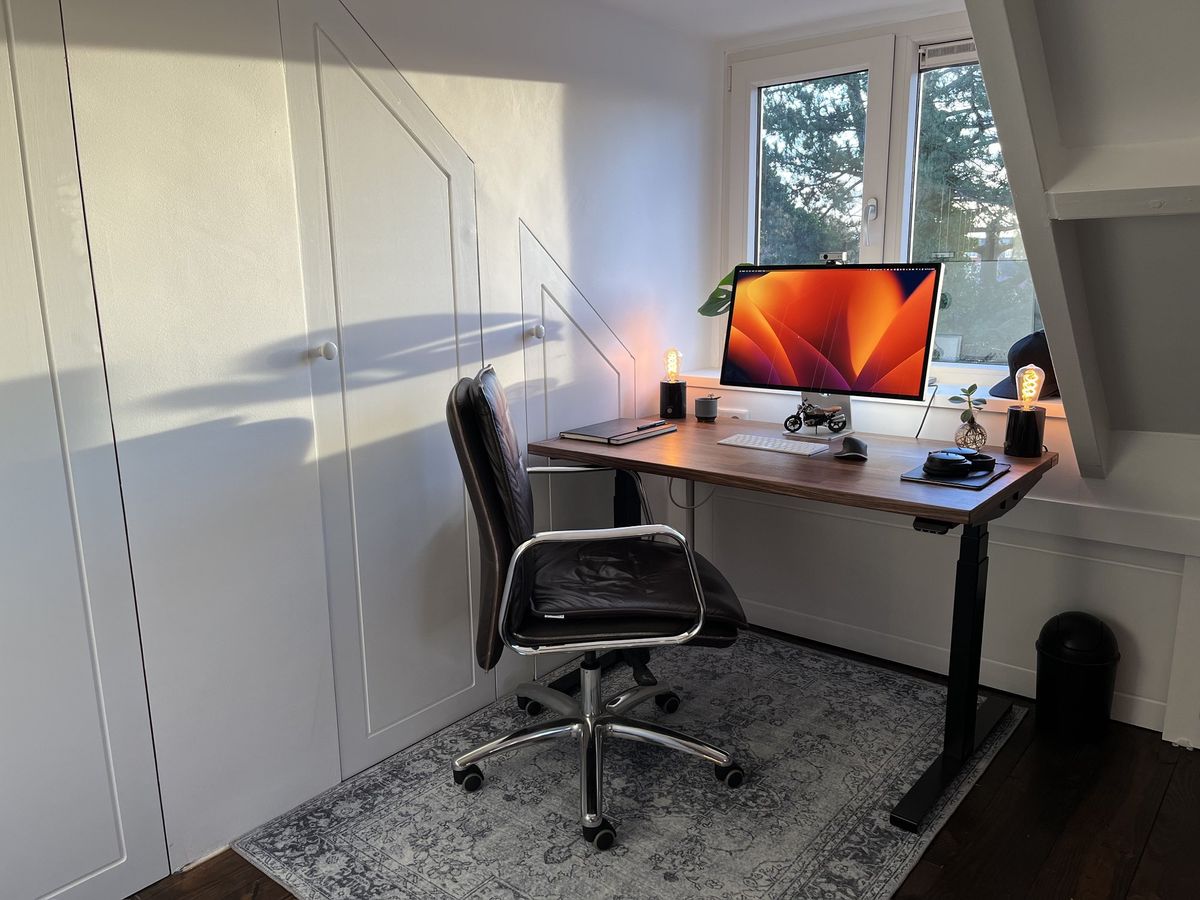
Dedicate a separate, quiet room with a door, ergonomic chair, and reliable lighting. Arrange your desk so the background appears professional on video calls. Use a second monitor and a document scanner to speed admin work. Store client files in locked cabinets and use encrypted cloud storage for digital records. Upgrade to business-grade internet and set working hours to protect work–life boundaries.
Client interactions & meeting strategies (virtual meetings, using coworking / meeting rooms as needed)
Default to video calls for discovery and updates. For high-stakes meetings, book on-demand rooms at reputable business centers or free zone facilities. Many authorities and providers offer pay-per-use spaces; confirm their address policies if you intend to list them publicly. When in doubt about local usage rules for meeting visitors at residential premises, verify guidelines with Dubai Municipality before hosting.
Branding & credibility (how to mask the “home” aspect professionally)
Use a clean domain, consistent visual identity, and a professional email signature. Publish case studies, testimonials, and service pages to establish authority. List a serviceable business address only where regulations allow; otherwise, use a compliant virtual office or free zone address tied to your license. Maintain a polished online presence with accurate contact details, response SLAs, and clear pricing or packaged offers.
Record keeping, compliance, auditing readiness
Keep a centralized ledger for revenue, expenses, invoices, and receipts. Retain contracts, SOWs, and client approvals for at least the statutory period. If VAT-registered, reconcile input/output tax each quarter and archive returns from the Federal Tax Authority. Store license, Ejari/title deed, and any NOC alongside your corporate documents. Implement access controls and periodic backups to prove data protection and business continuity.
When & how to upgrade to commercial office
Upgrade once client visits, hiring, or storage needs exceed residential limits. Compare free zone flexi-desk, serviced offices, and small shell-and-core units. Map the transition: notify clients, update license details and address, migrate mail, and revise contracts. If shifting to a free zone known for your sector, assess benefits like sector reputation and visa quotas via authorities such as DMCC.
Risks, Pitfalls & Compliance Traps
Operating from a residential address without the correct license risks fines and potential license cancellation. Breaching tenancy or homeowners’ rules may trigger eviction or penalties. Activities that generate noise, customer footfall, or storage hazards are likely non-compliant in residential zones. Misstating your address on invoices or public profiles can raise red flags during inspections or tax reviews. Hiring from a home-based setup may be restricted; confirm labor and immigration eligibility with the competent authority before issuing offers. Maintain accurate books to avoid issues during audits, especially if you exceed revenue thresholds that trigger VAT registration with the Federal Tax Authority. Review any sector-specific approvals early to avoid delays and rework.
Alternatives & Hybrid Models
Virtual office packages provide a compliant address, mail handling, and access to meeting rooms without committing to a full lease. Coworking spaces offer flexible desks and private rooms for client-facing work while you keep core tasks at home. Many free zones provide flexi-desk licenses that combine legal presence, visa quotas, and occasional room bookings; explore sector-fit and upgrade paths with authorities like DMCC. A hybrid approach—home base for deep work, coworking for meetings, and third-party logistics for storage or fulfillment—often delivers the best balance of cost, compliance, and client experience.
Case Studies / Examples
A freelance graphic designer based in Dubai Marina registered an E-Trader license to offer branding and social media packages. She worked entirely from home, met clients on video, and booked meeting rooms only for project kickoffs. Within six months, she upgraded to a free zone freelance permit to access sector networking and occasional coworking space through a package aligned with authorities like the Dubai Multi Commodities Centre, described at dmcc.ae.
A UAE national running a home-based tutoring service obtained the Intelaq license via Dubai SME. The operator limited onsite visits, used scheduling tools, and adhered to residential rules. Demand later justified renting a small serviced office for weekend group sessions while keeping the Intelaq structure compliant. Program details are available at sme.ae.
A content studio founded by two expats started with a free zone freelance permit for each partner. As client volume grew, they consolidated under a single free zone company with a flexi-desk. The transition plan covered address updates on invoices, license amendments, and visa processing through the relevant authority’s portal.
A handmade crafts seller tested demand through social channels under an E-Trader license. When inventory and deliveries increased, they moved fulfillment to a third-party logistics provider and shifted to a small warehouse unit in a light-industrial area. The change eliminated residential storage risks and simplified compliance with municipal rules referenced on dm.gov.ae.
Decision Framework / Checklist
Use this quick sequence to decide your path. First, confirm your business activity is permitted for home operation. Second, verify your Ejari or title deed and obtain landlord consent if needed. Third, choose the licensing route that matches your activity, nationality, and growth plan. Finally, map your upgrade trigger points: client visits, hiring, storage, or sector approvals.
Key questions to answer before you apply:
- Is your activity low-impact with no walk-in customers or hazardous storage?
- Does your tenancy or building policy allow limited business activity?
- Do you need visas now, or only later after validation?
- Will a free zone sector brand help you acquire clients?
- What is your 12-month cost plan including renewals and meeting room usage?
| Licence Type | Typical Users | Allowed Activities | Office Requirement | Visa Eligibility | Key Limits | Approx Annual Cost (AED) |
|---|---|---|---|---|---|---|
| Intelaq (Dubai SME) | UAE nationals | Select service and micro enterprise activities | Home permitted within rules | Limited, subject to program | Hiring and signage restrictions | 1,000–3,000 |
| E-Trader (DET) | UAE and GCC residents; expats for services | Online services and certain online sales | Home base with online presence | No visas | No physical shopfront; activity scope limits | ~1,070 |
| Freelance Permit (Free Zone) | Specialists and creatives of any nationality | Individual professional services | Flexi-desk optional in many packages | Usually 1 visa per permit | Operates as sole practitioner | 7,000–15,000 |
| Free Zone Company + Flexi-desk | Startups planning to scale | Service and consultancy under free zone list | Flexi-desk or virtual office | Multiple visas based on package | Address usage per authority rules | 10,000–20,000+ |
If you are unsure which activity description fits your service, search the activity catalog and application steps on the Department of Economy and Tourism portal at ded.ae.
FAQs
Can I register my company address as my home?
Only if your license type and zoning allow it. Confirm with the Department of Economy and Tourism and review any building rules. When in doubt, consider a free zone flexi-desk for a compliant address, as outlined by authorities such as dmcc.ae.
Can I hire staff under a home-based license?
Some home-based options restrict hiring or visa quotas. Freelance permits usually cover the individual only, while free zone companies with flexi-desks may provide multiple visas. Check current rules on ded.ae or your chosen free zone’s site.
Can I meet clients at my residence?
Residential visitor policies vary and may be limited. Book external meeting rooms or coworking facilities for client-facing sessions. Always verify local guidelines with dm.gov.ae.
What happens if I operate without the correct license?
You risk fines, license cancellation, and tenancy breaches. Keep your documents updated, use the correct address on invoices, and follow renewal timelines through official portals such as ded.ae.
Can I switch from a home-based model to a full office later?
Yes. Plan the migration: amend license details, update public listings and invoices, and notify clients. Free zones often provide straightforward upgrade paths from flexi-desk to dedicated offices.
How do I choose between E-Trader, Intelaq, and a free zone route?
Match your nationality, activity type, visa needs, and growth horizon. E-Trader suits simple online services or sales; Intelaq supports eligible UAE nationals; free zones fit multi-person teams and sector branding.
Conclusion & Next Steps
Validate that your activity is home-compatible, confirm tenancy and zoning rules, and choose the license that fits your risk, budget, and growth plan. Prepare a 12-month cost model and define upgrade triggers so you can move smoothly to a flexi-desk or office when needed. For official requirements and current fees, review the Department of Economy and Tourism at ded.ae, the Dubai SME Intelaq program at sme.ae, and sector-specific guidance from free zones such as dmcc.ae.
