

Dubai chocolate bars have taken the world by storm with their luxurious texture and exotic flavors—but are they actually healthy? While they offer a decadent treat experience, many contain high sugar, unhealthy fats, and artificial additives. Understanding their nutritional profile helps you enjoy them wisely without guilt.
Contents
- 1 Key Takeaways
- 2 Quick Answers to Common Questions
- 3 📑 Table of Contents
- 4 Introduction: The Global Craze for Dubai Chocolate Bars
- 5 What Exactly Are Dubai Chocolate Bars?
- 6 Nutritional Breakdown: What’s Really Inside?
- 7 Health Risks: When Indulgence Becomes a Problem
- 8 Are There Any Health Benefits?
- 9 How to Enjoy Dubai Chocolate Bars Responsibly
- 10 Conclusion: The Truth About Dubai Chocolate Bars
- 11 Frequently Asked Questions
Key Takeaways
- High in sugar and calories: Most Dubai chocolate bars contain significant amounts of added sugar and saturated fats, which can contribute to weight gain and metabolic issues if consumed regularly.
- Luxury doesn’t mean nutritious: Despite their premium branding and exotic ingredients like saffron or camel milk, many lack essential nutrients and are more about indulgence than health.
- Artificial additives are common: Some brands use preservatives, emulsifiers, and artificial flavors to extend shelf life and enhance taste—ingredients that may not align with a clean-eating lifestyle.
- Portion control is key: Enjoying a small piece occasionally is unlikely to harm your health, but daily consumption can lead to long-term health risks.
- Look for cleaner alternatives: Opt for Dubai-style chocolates made with organic cocoa, natural sweeteners, and minimal ingredients for a healthier treat.
- Cultural appeal vs. health impact: These chocolates reflect Middle Eastern culinary artistry, but their health value depends more on ingredients than origin.
- Mindful indulgence is possible: You don’t have to avoid them entirely—just be aware of what you’re eating and how often.
Quick Answers to Common Questions
Are Dubai chocolate bars high in sugar?
Yes, most Dubai chocolate bars are high in added sugar, often containing 30–40 grams per 100-gram serving, which can exceed daily recommended limits.
Can I eat Dubai chocolate bars if I’m diabetic?
It’s best to consume them sparingly and monitor blood sugar levels. Opt for dark chocolate varieties with low sugar and consult your doctor or dietitian.
Do Dubai chocolate bars have any health benefits?
Some may offer antioxidants if made with high-cocoa dark chocolate, but benefits are often outweighed by high sugar and fat content in commercial versions.
Are camel milk chocolates healthier?
Camel milk has some nutritional advantages, but in chocolate bars, it’s often used in small amounts and doesn’t significantly improve overall health value.
How often can I safely eat Dubai chocolate bars?
Enjoy them as an occasional treat—once or twice a week—rather than daily, to avoid excess sugar, calories, and unhealthy fats.
📑 Table of Contents
- Introduction: The Global Craze for Dubai Chocolate Bars
- What Exactly Are Dubai Chocolate Bars?
- Nutritional Breakdown: What’s Really Inside?
- Health Risks: When Indulgence Becomes a Problem
- Are There Any Health Benefits?
- How to Enjoy Dubai Chocolate Bars Responsibly
- Conclusion: The Truth About Dubai Chocolate Bars
Introduction: The Global Craze for Dubai Chocolate Bars
Walk into any high-end confectionery shop in London, New York, or Tokyo, and you’re likely to spot them—glossy, gold-wrapped bars with names like “Royal Oud,” “Saffron Silk,” or “Camel Milk Delight.” Dubai chocolate bars have become a global sensation, celebrated not just for their rich flavors but for their association with luxury, culture, and innovation. From social media influencers to food critics, everyone seems to be raving about these Middle Eastern-inspired treats. But beneath the shimmering packaging and exotic ingredients lies a question worth asking: Are Dubai chocolate bars bad for you?
At first glance, these chocolates seem like a dream come true—smooth textures, unique flavor combinations, and a sense of indulgence that feels both modern and timeless. But as with any food trend, popularity doesn’t always equal healthfulness. While Dubai chocolate bars are undeniably delicious, their nutritional content varies widely depending on the brand, ingredients, and manufacturing process. Some are crafted with care using high-quality cocoa and natural flavorings, while others rely on sugar, hydrogenated oils, and artificial enhancers to cut costs and boost shelf appeal. So, before you reach for that next bar, it’s worth digging deeper into what’s really inside—and what that means for your health.
What Exactly Are Dubai Chocolate Bars?
Dubai chocolate bars are a category of premium confectionery that originated in the United Arab Emirates but have since spread across the globe. They’re known for their luxurious presentation, often wrapped in metallic foil or elegant boxes, and their use of ingredients inspired by Middle Eastern cuisine—think rose water, cardamom, dates, saffron, and even camel milk. Unlike traditional European chocolates, which focus on classic flavors like dark, milk, or white chocolate, Dubai-style bars often blend sweet, floral, and spicy notes to create a uniquely aromatic experience.

Visual guide about Are Dubai chocolate bars bad for you the truth revealed
Image source: world-arabia.com
Signature Ingredients and Flavors
One of the defining features of Dubai chocolate bars is their use of regionally inspired ingredients. For example, saffron adds a golden hue and subtle earthy flavor, while rose water lends a delicate floral note that’s both refreshing and exotic. Cardamom, a staple in Arabic coffee and desserts, brings a warm, slightly citrusy spice that pairs beautifully with cocoa. Some brands even incorporate camel milk, which is richer in certain vitamins and lower in lactose than cow’s milk, though it’s often used more for novelty than nutritional benefit.
Other common additions include pistachios, almonds, and dried dates, which add texture and natural sweetness. These ingredients not only enhance flavor but also contribute to the cultural authenticity of the product. However, it’s important to note that just because an ingredient sounds healthy or traditional doesn’t mean the final product is nutritious. Many of these bars are still high in sugar and fat, even if they’re made with “natural” or “exotic” components.
How They’re Made: Artisanal vs. Mass-Produced
The quality of Dubai chocolate bars can vary dramatically depending on how they’re produced. Artisanal chocolatiers in Dubai and the wider Gulf region often use small-batch methods, sourcing high-quality cocoa beans and hand-mixing ingredients to preserve flavor and texture. These bars tend to have fewer additives and a more complex taste profile.
On the other hand, mass-produced versions—especially those sold internationally—may use cheaper cocoa blends, artificial flavorings, and preservatives to reduce costs and extend shelf life. These bars might still carry the “Dubai” label for marketing appeal, but they often lack the craftsmanship and ingredient integrity of their artisanal counterparts. When shopping, look for brands that list cocoa content, avoid hydrogenated oils, and use minimal, recognizable ingredients.
Nutritional Breakdown: What’s Really Inside?
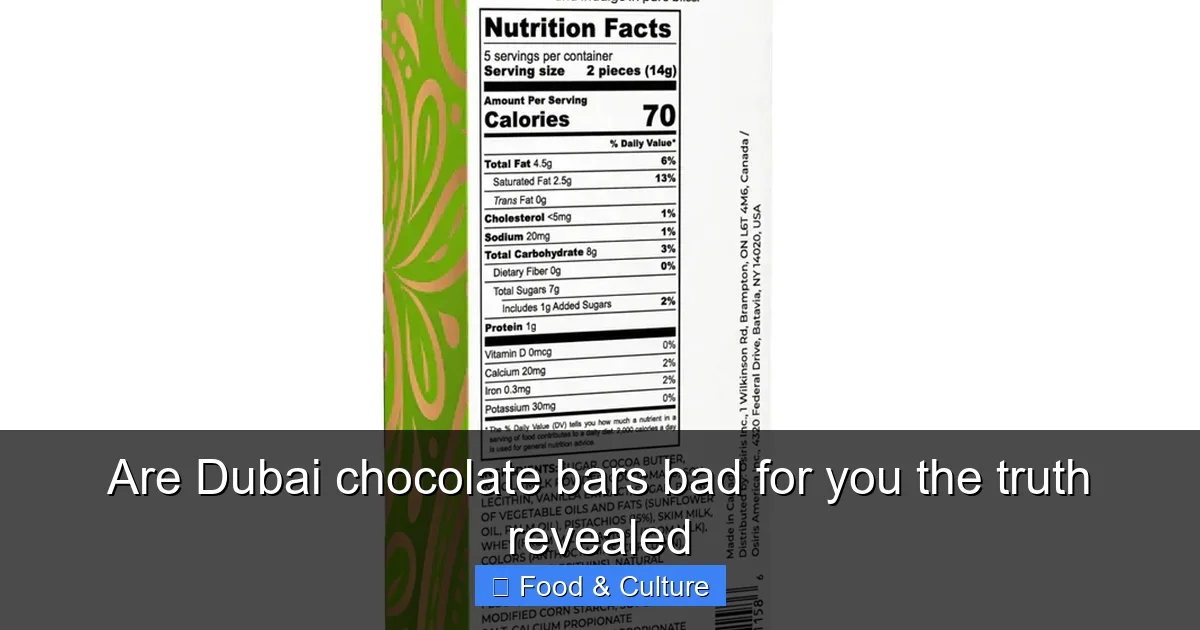
To understand whether Dubai chocolate bars are bad for you, it’s essential to examine their nutritional content. While specific values vary by brand and flavor, most fall into the category of high-calorie, high-sugar confections. A typical 100-gram bar can contain anywhere from 500 to 600 calories, with 30–40 grams of sugar and 25–35 grams of fat—much of it saturated.

Visual guide about Are Dubai chocolate bars bad for you the truth revealed
Image source: offloadmedia.feverup.com
Sugar Content: The Hidden Culprit
Sugar is one of the biggest concerns when it comes to Dubai chocolate bars. Many brands use generous amounts of added sugar to balance the bitterness of cocoa and enhance the sweetness of floral or spicy ingredients. For example, a bar flavored with rose and pistachio might contain over 35 grams of sugar per serving—equivalent to nearly nine teaspoons. That’s close to or exceeding the daily recommended limit for added sugars, which is 25 grams for women and 36 grams for men, according to the American Heart Association.
High sugar intake is linked to a range of health issues, including obesity, type 2 diabetes, heart disease, and dental problems. Even if you’re not eating the entire bar in one sitting, frequent consumption can add up quickly. Over time, this can lead to insulin resistance, weight gain, and increased inflammation in the body.
Fat Content: Saturated vs. Healthy Fats
Fat is another major component of these chocolates. While cocoa butter—a natural fat found in chocolate—is relatively stable and contains some beneficial compounds, many Dubai chocolate bars also include additional fats like palm oil or hydrogenated vegetable oils. These are often used to improve texture and shelf stability but are high in saturated and trans fats, which can raise LDL (“bad”) cholesterol levels and increase the risk of cardiovascular disease.
Some premium brands use healthier fat sources, such as cocoa butter and nut oils, but these are less common in mass-market products. Always check the ingredient list: if you see “partially hydrogenated oil” or “vegetable fat,” it’s a red flag for unhealthy fats.
Calorie Density and Portion Size
Dubai chocolate bars are calorie-dense, meaning they pack a lot of energy into a small package. A single 40-gram piece can contain 200–250 calories—more than a small meal for some people. Because they’re so rich and flavorful, it’s easy to underestimate how much you’re eating. What starts as a “small treat” can quickly become a significant source of daily calories, especially if you’re not accounting for it in your overall diet.
Portion control is crucial. Instead of eating the whole bar, consider breaking it into smaller pieces and savoring them over several days. This not only helps manage calorie intake but also allows you to truly appreciate the complex flavors without overindulging.
Health Risks: When Indulgence Becomes a Problem
While enjoying a Dubai chocolate bar occasionally is unlikely to cause harm, regular or excessive consumption can pose several health risks. The combination of high sugar, high fat, and low nutritional value makes these treats more like desserts than functional foods.
Visual guide about Are Dubai chocolate bars bad for you the truth revealed
Image source: ca.shopatshowcase.com
Weight Gain and Obesity
The calorie and sugar content in these bars can contribute to weight gain, especially if they’re consumed alongside a diet already high in processed foods. Over time, consistent overconsumption of energy-dense foods can lead to obesity, which is a major risk factor for chronic diseases like diabetes, hypertension, and certain cancers.
Blood Sugar Spikes and Insulin Resistance
High-sugar foods cause rapid spikes in blood glucose levels, followed by crashes that can leave you feeling tired and hungry. Repeated spikes can impair insulin function, increasing the risk of insulin resistance and eventually type 2 diabetes. This is especially concerning for people who are already at risk due to genetics, lifestyle, or existing health conditions.
Heart Health Concerns
The saturated and trans fats in some Dubai chocolate bars can negatively affect heart health. Diets high in these fats are associated with higher levels of LDL cholesterol and increased risk of atherosclerosis (hardening of the arteries), heart attacks, and strokes. While cocoa itself contains heart-healthy flavonoids, these benefits are often outweighed by the negative impact of added sugars and unhealthy fats in commercial products.
Dental Health
Sugar is a primary contributor to tooth decay. Bacteria in the mouth feed on sugar and produce acids that erode tooth enamel. Frequent consumption of sugary chocolates—especially sticky or chewy varieties—can increase the risk of cavities and gum disease.
Digestive Issues
Some people may experience digestive discomfort after eating rich, fatty chocolates, particularly if they contain ingredients like camel milk or high-fat nuts. Symptoms can include bloating, gas, or indigestion, especially in individuals with sensitive stomachs or lactose intolerance.
Are There Any Health Benefits?
Despite the concerns, it’s not all bad news. When made with quality ingredients, Dubai chocolate bars can offer some health benefits—especially if they contain dark chocolate with a high cocoa content (70% or more).
Antioxidants and Flavonoids
Dark chocolate is rich in antioxidants, particularly flavonoids, which have been shown to reduce inflammation, improve blood flow, and support heart health. These compounds may also help lower blood pressure and improve cognitive function. However, the benefits are most pronounced in chocolates with minimal added sugar and high cocoa content—something not all Dubai-style bars provide.
Potential Mood Boost
Chocolate contains compounds like theobromine and phenylethylamine, which can stimulate the release of endorphins and serotonin—neurochemicals associated with pleasure and mood regulation. A small piece of chocolate can provide a temporary mood lift, making it a comforting treat during stressful times. Just be mindful not to rely on sugar for emotional regulation, as this can lead to unhealthy eating patterns.
Cultural and Emotional Value
Beyond physical health, food also plays a role in mental and emotional well-being. Enjoying a Dubai chocolate bar can be a form of cultural connection, a way to celebrate heritage, or a small act of self-care. The sensory experience—the aroma, texture, and taste—can be deeply satisfying and grounding. As long as it’s part of a balanced lifestyle, this emotional benefit shouldn’t be overlooked.
How to Enjoy Dubai Chocolate Bars Responsibly
The key to enjoying Dubai chocolate bars without compromising your health is moderation and mindfulness. Here are some practical tips to help you savor these treats wisely:
Read the Label Carefully
Always check the ingredient list and nutrition facts. Look for bars with high cocoa content (60% or more), minimal added sugar, and no hydrogenated oils. Avoid products with long lists of unpronounceable additives.
Practice Portion Control
Instead of eating the whole bar, break it into smaller pieces and enjoy one or two squares at a time. Savor each bite slowly to enhance satisfaction and prevent overeating.
Pair with Healthy Foods
Enjoy your chocolate with a source of protein or fiber, such as a handful of almonds or a piece of fruit. This can help slow sugar absorption and keep you fuller longer.
Choose Quality Over Quantity
Invest in high-quality, artisanal bars made with natural ingredients. They may cost more, but you’ll likely eat less because they’re more satisfying.
Limit Frequency
Reserve Dubai chocolate bars for special occasions or as an occasional treat—once or twice a week, rather than daily. This helps keep sugar and calorie intake in check.
Stay Hydrated and Active
Balance indulgent treats with a healthy lifestyle. Drink plenty of water, stay physically active, and maintain a balanced diet rich in whole foods.
Conclusion: The Truth About Dubai Chocolate Bars
So, are Dubai chocolate bars bad for you? The answer isn’t a simple yes or no—it depends on the brand, ingredients, and how often you eat them. These luxurious treats are a celebration of flavor, culture, and craftsmanship, but they’re not a health food. Most contain high levels of sugar and fat, and many include artificial additives that don’t belong in a clean-eating diet.
That doesn’t mean you have to give them up entirely. With mindful consumption, portion control, and a focus on quality, you can enjoy the unique experience of Dubai chocolate bars without guilt. Think of them as you would a fine wine or gourmet dessert—something to be savored in moderation, not consumed daily. By understanding what’s inside and making informed choices, you can indulge in the best of both worlds: rich, exotic flavors and long-term health.
🎥 Related Video: This Dubai chocolate bar is being recalled
📺 Daily Mail World
The Neosis Schokolade Love of Dubai bar contains undeclared peanuts, according to officials. This may pose a serious risk to …
Frequently Asked Questions
Are Dubai chocolate bars suitable for vegans?
Some are, but many contain milk or milk derivatives like camel milk. Always check the label for vegan certification or dairy-free ingredients.
Do Dubai chocolate bars contain caffeine?
Yes, especially dark chocolate varieties. Cocoa naturally contains caffeine and theobromine, which can have mild stimulant effects.
Can children eat Dubai chocolate bars?
Children can enjoy them in small amounts, but due to high sugar and calorie content, they should be limited and not given regularly.
Are there gluten-free Dubai chocolate bars?
Many are naturally gluten-free, but cross-contamination can occur during manufacturing. Look for certified gluten-free labels if you have celiac disease.
Do Dubai chocolate bars expire quickly?
Most have a shelf life of 6–12 months if stored properly in a cool, dry place. Mass-produced versions may last longer due to preservatives.
Where can I buy authentic Dubai chocolate bars?
Authentic bars are available in specialty stores in the UAE, high-end confectioners worldwide, and reputable online retailers that source directly from Dubai artisans.
