
Getting your UAE visa photo right is crucial to avoid application rejections or delays. This guide breaks down the exact UAE visa photo size, technical specs, and practical tips to help you submit a compliant image every time.
Contents
- 1 Key Takeaways
- 2 Quick Answers to Common Questions
- 3 📑 Table of Contents
- 4 What Is UAE Visa Photo Size and Why It Matters
- 5 Official UAE Visa Photo Size and Dimensions
- 6 Digital vs. Printed UAE Visa Photos
- 7 Common Mistakes to Avoid
- 8 How to Get a Compliant UAE Visa Photo
- 9 Special Cases: Children, Infants, and Religious Attire
- 10 Staying Updated: Where to Check Official Requirements
- 11 Final Tips for a Smooth Visa Application
- 12 Frequently Asked Questions
Key Takeaways
- Standard UAE visa photo size is 45mm x 35mm with a white or off-white background, taken within the last 6 months.
- Head must occupy 70–80% of the photo, with eyes level and clearly visible—no hats, sunglasses, or heavy makeup.
- Digital photos must be high resolution (300 DPI minimum) and in JPEG format, ideally under 1MB in file size.
- Professional photo services or online tools can help you meet UAE government standards quickly and affordably.
- Different visa types (tourist, work, residence) may have slight variations—always check the latest requirements from official sources.
- Blurry, cropped, or edited photos will be rejected—ensure clarity, natural lighting, and no shadows on the face.
- Children and infants also need compliant photos, though minor adjustments may apply for very young applicants.
Quick Answers to Common Questions
What is the exact UAE visa photo size?
The standard UAE visa photo size is 45mm x 35mm, with a white or off-white background and the head occupying 70–80% of the frame.
Can I use a selfie for my UAE visa photo?
No, selfies are not recommended. They often result in poor lighting, incorrect angles, or improper framing. Use a tripod or ask someone to take the photo.
Are glasses allowed in UAE visa photos?
Yes, but there should be no glare, and your eyes must be clearly visible. If possible, remove glasses to avoid reflection.
Can I smile in my UAE visa photo?
No, you must have a neutral expression with both eyes open and looking directly at the camera. Smiling is not permitted.
How recent must my UAE visa photo be?
Your photo must be taken within the last six months to reflect your current appearance.
📑 Table of Contents
- What Is UAE Visa Photo Size and Why It Matters
- Official UAE Visa Photo Size and Dimensions
- Digital vs. Printed UAE Visa Photos
- Common Mistakes to Avoid
- How to Get a Compliant UAE Visa Photo
- Special Cases: Children, Infants, and Religious Attire
- Staying Updated: Where to Check Official Requirements
- Final Tips for a Smooth Visa Application
What Is UAE Visa Photo Size and Why It Matters
Applying for a UAE visa—whether for tourism, work, or family visit—can feel overwhelming, especially when you’re juggling documents, fees, and deadlines. But one small detail that often gets overlooked? The visa photo. You might think, “It’s just a picture, how hard can it be?” Yet, many visa applications are delayed or even rejected simply because the photo doesn’t meet the UAE’s strict guidelines.
The UAE government has very specific requirements for visa photos, and they’re not just about looking good. These rules ensure consistency, security, and quick processing at immigration checkpoints. Whether you’re applying online through the ICA (Federal Authority for Identity, Citizenship, Customs & Port Security) portal or submitting a physical application, your photo must match the official UAE visa photo size and quality standards. Getting it wrong means starting over—costing you time, money, and peace of mind.
Official UAE Visa Photo Size and Dimensions
Visual guide about What Is UAE Visa Photo Size and How to Get It Right
Image source: visitvisadubai.com
The standard UAE visa photo size is 45mm in height by 35mm in width. This is slightly different from passport photos used in other countries, so don’t assume your U.S. or EU passport photo will work. The photo must be taken from the shoulders up, with the head centered and occupying 70% to 80% of the frame. This means your face should be clearly visible, with your eyes level and looking directly at the camera.
Your photo must also be recent—taken within the last six months—to reflect your current appearance. This helps immigration officers verify your identity quickly and accurately. Using an old photo, even if it technically fits the size, can lead to rejection.
Background and Lighting Requirements
The background must be plain white or off-white, with no patterns, shadows, or textures. Avoid colored backdrops like blue or gray, which are common in some countries but not accepted in the UAE. The lighting should be even and natural—no harsh shadows on your face or behind you. Flash can cause red-eye or uneven brightness, so soft, diffused lighting is best.
Head Position and Facial Expression
Your head should be straight, not tilted or turned. Your face must be fully visible, with both eyes open and clearly seen. You should have a neutral expression—no smiling, frowning, or raised eyebrows. This might feel unnatural, but it’s standard for official documents. Avoid wearing hats, headbands, or religious head coverings unless they’re part of your daily attire and don’t obscure your face. Even then, your forehead, eyes, and cheeks must remain visible.
Digital vs. Printed UAE Visa Photos
Visual guide about What Is UAE Visa Photo Size and How to Get It Right
Image source: onlinepassport.photo
With most UAE visa applications now processed online, you’ll likely need a digital photo. But even if you’re submitting a physical copy, understanding digital specs is important—especially if you’re uploading to the ICA portal or a visa processing agency.
Digital Photo Specifications
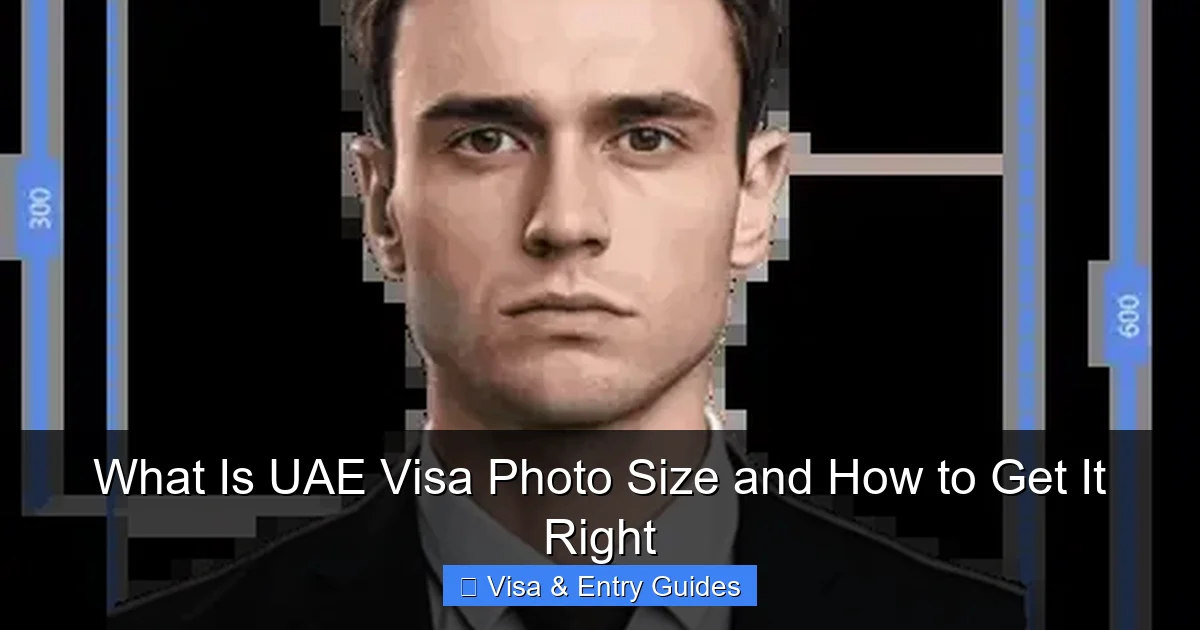
For digital submissions, your photo must be in JPEG or JPG format with a minimum resolution of 300 DPI (dots per inch). The file size should ideally be under 1MB—large files may not upload properly, while tiny ones may appear pixelated. The image dimensions should match the physical size: 45mm x 35mm, which translates to approximately 531 x 413 pixels at 300 DPI.
Avoid compressing the image too much, as this reduces clarity. Also, never use filters, edit skin tones, or alter your appearance. The UAE authorities want a true representation of you—no airbrushing or digital enhancements.
Printed Photo Guidelines
If you’re submitting a printed photo, it should be on high-quality photo paper, matte or semi-matte finish. Glossy photos can reflect light and cause issues during scanning. The print must be sharp, with no blurring, smudging, or creases. Never cut the photo yourself with scissors—use a proper photo cutter or have it done professionally to ensure clean edges.
Common Mistakes to Avoid
Visual guide about What Is UAE Visa Photo Size and How to Get It Right
Image source: ugsdxb.com
Even small errors can lead to visa photo rejection. Here are the most common mistakes people make—and how to avoid them.
Using the Wrong Background Color
One of the top reasons for rejection is using a colored or patterned background. Stick to plain white or light beige. If you’re taking the photo at home, use a white wall or hang a white sheet. Make sure there are no shadows or wrinkles in the background.
Improper Head Size or Position
Your head should fill most of the frame, but not too much. If your face is too small, it won’t meet the 70–80% rule. If it’s too large, parts of your head may be cut off. Keep your head centered and your shoulders visible but not dominating the photo.
Wearing Accessories That Obscure the Face
Sunglasses, tinted glasses, scarves, or large earrings can hide your features. Even religious headwear must allow full visibility of your face. If you wear glasses, ensure there’s no glare and that your eyes are clearly seen. Some applicants choose to remove glasses for the photo if possible.
Outdated or Poor-Quality Photos
Using a photo from years ago or one that’s blurry, pixelated, or poorly lit is a sure way to get rejected. Always use a recent, high-resolution image. If you’re unsure, ask a professional photographer or use a trusted online tool to check compliance.
How to Get a Compliant UAE Visa Photo
You don’t need to be a photography expert to get a UAE visa photo that meets the standards. Here are practical ways to get it right—whether you’re doing it yourself or hiring help.
Visit a Professional Photo Studio
Many photo studios in the UAE and abroad are familiar with visa photo requirements. They’ll take the photo, adjust the size, and provide both printed and digital copies. This is the easiest option if you’re short on time or unsure about DIY methods. Just mention “UAE visa photo” when booking.
Use an Online Photo Tool
Several websites and mobile apps can help you create a compliant UAE visa photo from your smartphone or computer. These tools automatically crop, resize, and adjust the background to meet UAE standards. Popular options include Passport Photo Online, ID Photo Maker, and Visafoto.com. Most are free or low-cost and take just a few minutes.
DIY at Home (With Caution)
If you prefer to take the photo yourself, use a good smartphone or camera with a tripod for stability. Stand against a plain white wall, ensure even lighting (natural light near a window works well), and have someone else take the photo to avoid arm-length selfies. Use photo editing software to crop to 45mm x 35mm and adjust the background if needed. Always double-check the final image against official guidelines.
Special Cases: Children, Infants, and Religious Attire
Applying for a visa for a child or infant? The photo requirements are similar, but with a few adjustments.
Photos for Babies and Young Children
Infants can lie down for the photo, and their heads don’t need to fill the frame as strictly. However, their face must still be fully visible, with eyes open and no obstructions. Avoid using toys, pacifiers, or hands in the photo. For older children, follow the same rules as adults—neutral expression, white background, and proper head size.
Religious or Cultural Head Coverings
If you wear a hijab, turban, or other head covering for religious reasons, you may keep it on—but your face must still be fully visible. Your forehead, eyes, nose, and cheeks should not be covered. The covering should not cast shadows on your face, and the background must remain plain.
Staying Updated: Where to Check Official Requirements
Visa rules can change, so it’s important to verify the latest UAE visa photo requirements before submitting your application. Always check official sources such as:
– The UAE Federal Authority for Identity, Citizenship, Customs & Port Security (ICA) website: icp.gov.ae
– The official UAE government portal: government.ae
– Your nearest UAE embassy or consulate
These sites provide up-to-date guidelines and sometimes even photo checkers to validate your image before upload.
Final Tips for a Smooth Visa Application
Getting your UAE visa photo right is a small but vital step in your journey. Here are a few final tips to ensure success:
– Double-check the visa type: Tourist, work, student, and family visas may have slight differences in photo requirements.
– Keep extra copies: Save both digital and printed versions in case you need them for future applications.
– Ask for help if unsure: If you’re not confident, consult a professional or use a verified online tool.
– Submit early: Don’t wait until the last minute. Photo issues can delay your entire application.
By following these guidelines, you’ll avoid unnecessary stress and increase your chances of a fast, successful visa approval.
Frequently Asked Questions
What happens if my UAE visa photo doesn’t meet the requirements?
If your photo doesn’t meet the UAE visa photo size or quality standards, your application may be delayed or rejected. You’ll need to resubmit with a compliant photo, which can cost extra time and money.
Can I use a photo editor to fix my UAE visa photo?
Basic cropping and background changes are allowed, but avoid filters, skin smoothing, or altering your appearance. The photo must show your true likeness.
Do UAE visa photo rules differ for men and women?
No, the requirements are the same for all applicants. However, women wearing religious head coverings must ensure their face is fully visible.
Is a colored background ever acceptable for UAE visa photos?
No, only plain white or off-white backgrounds are accepted. Colored or patterned backdrops will result in rejection.
Can I use the same photo for multiple UAE visa applications?
Yes, as long as the photo is recent (within six months) and meets all current requirements. Keep digital and printed copies for reuse.
Are there different photo sizes for UAE work visas vs. tourist visas?
The standard UAE visa photo size (45mm x 35mm) applies to most visa types, but always check the specific requirements for your visa category on official government websites.
