
Dubai’s official currency is the UAE Dirham (AED). It’s a stable, modern currency accepted everywhere, making transactions smooth for residents and visitors alike. Learn how to use it easily.
Contents
- 1 Key Takeaways
- 2 The Official Currency: Understanding the UAE Dirham (AED)
- 3 Exchanging Your Currency: Where and How
- 4 Understanding Exchange Rates: Your Money’s Value in Dubai
- 5 Using Cash vs. Cards in Dubai
- 6 Currency Regulations and Tips for Travelers
- 7 Budgeting and Spending in the UAE Dirham
- 8 Frequently Asked Questions (FAQ) About Dubai Currency
- 9 Conclusion
Key Takeaways
- Understand the UAE Dirham (AED) as Dubai’s currency.
- Learn about current exchange rates for your money.
- Discover where to exchange currency safely and affordably.
- Master using cash and cards for everyday spending.
- Know currency regulations for travel and business.
- Plan your budget with confidence using dirham insights.
What Currency Does Dubai Use: Your Essential Guide
Planning a trip to Dubai or settling into this vibrant city? One of the first practical questions on your mind is likely: “What currency does Dubai use?” It’s a common point of curiosity for many, and understanding it ensures your visit or stay is smooth and stress-free. Dubai, a global nexus of commerce and culture, uses a currency that is as modern and dynamic as the city itself. This guide will demystify the UAE Dirham, providing you with all the essential information you need, from exchange rates to everyday spending tips. Let’s dive in and get you ready to navigate Dubai’s financial landscape with confidence.
The Official Currency: Understanding the UAE Dirham (AED)

When you land in Dubai, or if you’re a new resident, the first thing you’ll notice is that all prices are listed in a specific currency. This is the United Arab Emirates Dirham, commonly abbreviated as AED. The Dirham is the official legal tender of all seven emirates that make up the UAE, with Dubai being the most populous and globally recognized.
What is the UAE Dirham (AED)?
The UAE Dirham is a relatively young currency, having been introduced in 1973. It replaced the Qatar and Dubai Riyal, which had been in circulation prior. The currency is managed by the Central Bank of the UAE, ensuring its stability and value. The Dirham is pegged to the US Dollar, a common practice that provides a strong anchor for its exchange rate.
The Dirham’s Peg to the US Dollar
This peg is a significant factor in the AED’s stability. The official exchange rate is fixed at 1 US Dollar = 3.6725 UAE Dirhams. This means that as the US Dollar fluctuates against other major world currencies, the Dirham generally moves in tandem. This predictability is a boon for international businesses and tourists alike, as it simplifies currency exchange and financial planning.
Denominations of the Dirham
The UAE Dirham is divided into 100 fils. You’ll encounter banknotes in the following denominations:
- 500 AED
- 200 AED
- 100 AED
- 50 AED
- 20 AED
- 10 AED
- 5 AED
The coins come in denominations of 1, 5, 10, 25, and 50 fils, as well as a 1 Dirham coin. You’ll find that the 1, 5, and 10 fils coins are less commonly used in everyday transactions, with prices often rounded to the nearest 25 fils or 50 fils. The 50 fils coin is visually distinct, being smaller and rounder than the 1 Dirham coin.
| Denomination | Notes/Coins | Visual Description (General) |
|---|---|---|
| Banknotes | 5, 10, 20, 50, 100, 200, 500 AED | Feature prominent UAE landmarks, historical figures, and national symbols. The newer polymer banknotes are more durable and feature enhanced security features. |
| Coins | 1, 5, 10, 25, 50 fils; 1 AED | The 1, 5, and 10 fils coins are smaller. The 25 and 50 fils coins are larger, with the 50 fils coin being distinctively shaped. The 1 AED coin is silver-colored. |
Exchanging Your Currency: Where and How
Knowing what currency Dubai uses is one thing; knowing how to get it is another. Exchanging money is a straightforward process in Dubai, but it’s wise to be aware of the best places to do so to get favorable rates and avoid unnecessary fees.
Banks
Banks are a secure and reliable option for currency exchange. You’ll find numerous bank branches throughout Dubai, including at the airport and in major shopping malls. While generally offering competitive rates, they might have slightly less favorable rates than dedicated exchange houses and may charge transaction fees. Opening a local bank account can also be beneficial if you plan to stay long-term.
Exchange Houses
Dubai boasts a vast network of licensed money exchange companies. These establishments often offer slightly better exchange rates than banks and are known for their efficiency. Popular choices include Al Ansari Exchange, UAE Exchange (now Unimoni), and Wall Street Exchange. They are widely available in malls, commercial areas, and even as standalone branches.
Airport Exchange
While convenient for immediate needs upon arrival, airport exchange counters typically offer the least favorable exchange rates. It’s advisable to exchange only a small amount of currency here to cover immediate expenses like transportation and then seek better rates elsewhere.
Online and Mobile Banking
For residents and those with international banking capabilities, online and mobile banking platforms can offer competitive rates for transferring funds or exchanging currency. Many banks allow you to manage multiple currencies within a single account. Familiarize yourself with your bank’s international transfer fees and exchange rate policies.
Tips for Exchanging Money
- Compare Rates: Always check the rates offered by different exchange houses and banks before making a transaction. Rates can vary slightly throughout the day.
- Look for Fees: Be aware of any commission or transaction fees. Some places might advertise a good rate but add hidden charges.
- Carry Identification: You will typically need your passport or Emirates ID to exchange currency.
- Avoid Unofficial Sources: Never exchange money with individuals on the street. Stick to licensed and reputable institutions to avoid scams.
Understanding Exchange Rates: Your Money’s Value in Dubai
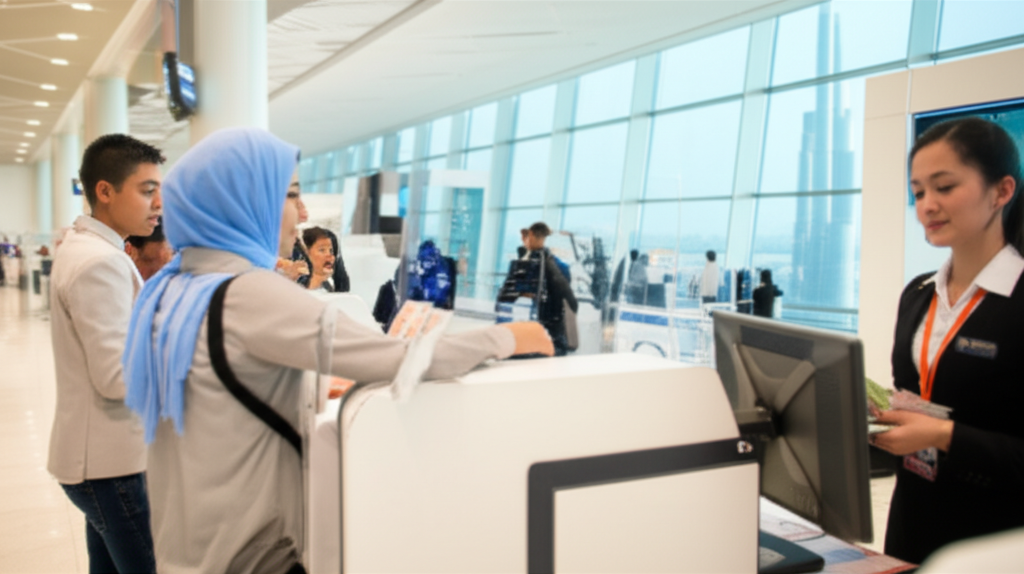
The exchange rate is crucial for budgeting and understanding the real cost of your purchases and activities in Dubai. As mentioned, the UAE Dirham is pegged to the US Dollar, which simplifies things for many international visitors.
Current Exchange Rates (Example)
While the official rate is 1 USD = 3.6725 AED, the rates you’ll get at exchange bureaus will fluctuate slightly. For other major currencies, here are approximate exchange rates (these are examples and subject to change):
| Currency | Approx. AED Equivalent (as of [Current Date – Note: This should be dynamically updated or a disclaimer added for real-time use]) | Notes |
|---|---|---|
| 1 US Dollar (USD) | 3.67 AED | Official peg rate. |
| 1 Euro (EUR) | ~3.95 AED | Fluctuates with USD/EUR. |
| 1 British Pound (GBP) | ~4.65 AED | Fluctuates with USD/GBP. |
| 1 Indian Rupee (INR) | ~0.044 AED | Large expatriate community from India. |
| 1 Pakistani Rupee (PKR) | ~0.013 AED | Significant Pakistani expatriate population. |
| 1 Philippine Peso (PHP) | ~0.073 AED | Large Filipino community. |
Please note: These rates are approximate and for illustrative purposes only. Always check live rates from a reliable source like a bank or exchange bureau before exchanging money.
Where to Check Live Exchange Rates
You can get up-to-date exchange rates from:
- Major bank websites (e.g., Emirates NBD, ADCB).
- Reputable online currency converters (e.g., XE.com, OANDA).
- Money exchange house websites (e.g., Al Ansari Exchange).
- Financial news websites.
Being informed about the current rates will help you make smart decisions when exchanging currency.
Using Cash vs. Cards in Dubai
Dubai is a modern city that embraces both cash and cashless transactions. Understanding when and where to use each will make your financial dealings seamless.
Cash Usage
Cash is still widely accepted and preferred in some situations. You’ll need Dirhams for:
- Small vendors and souks: While many souk vendors accept cards, having cash can be useful for bargaining and smaller purchases.
- Taxis: While ride-hailing apps are cashless, traditional taxis might prefer cash, or at least have it as an option.
- Tips: While not mandatory, tipping is appreciated, and cash is the easiest way to do it for hotel staff, drivers, or service providers.
- Public transport: While Nol cards are used for the metro and buses, sometimes cash is needed for top-ups or specific ticket purchases.
- Local eateries: Smaller, less tourist-oriented cafeterias might be cash-only.
It’s a good idea to carry a reasonable amount of cash for these smaller transactions, but avoid carrying excessive amounts due to security concerns.
Card Usage
Dubai is highly card-friendly. Credit and debit cards are accepted almost everywhere, including:
- Shopping Malls: All major retailers, from luxury brands to high-street stores, accept cards.
- Restaurants and Cafes: Virtually all dining establishments take credit and debit cards.
- Hotels: Payment for accommodation and services is primarily card-based.
- Supermarkets and convenience stores: Card payments are standard.
- Online services: Booking tickets, ordering food delivery, and using ride-hailing apps are all done via cards.
Major international credit cards like Visa, Mastercard, and American Express are widely recognized. Ensure your card has contactless payment capabilities for even faster transactions.
Pro Tip:
When using your card, you might be asked if you want to pay in AED or your home currency. Always choose to pay in AED. This allows your home bank to handle the conversion, which usually results in a better exchange rate than the point-of-sale conversion offered by the merchant.
ATMs
ATMs are ubiquitous in Dubai, found in malls, airports, petrol stations, and along streets. You can withdraw AED using your debit or credit card. Be aware of potential fees from both your bank and the ATM provider. It’s wise to check with your bank about their international ATM withdrawal fees and daily limits.
Currency Regulations and Tips for Travelers
Navigating international travel involves understanding currency regulations. Dubai, like most countries, has rules regarding the import and export of currency.
Bringing Money into Dubai
There is a limit on the amount of cash you can bring into the UAE without declaring it. Currently, the limit is AED 100,000 (or its equivalent in other currencies). If you are carrying more than this amount, you must declare it to Dubai Customs. This is a standard measure to prevent money laundering.
You can bring in any amount of foreign currency or UAE Dirhams as long as you declare it if it exceeds the limit. Travelers can also bring in other monetary instruments like traveler’s checks and prepaid cards without restriction, provided they are declared if they exceed the cash limit.
Taking Money Out of Dubai
The same rules apply when you are leaving the UAE. You can take up to AED 100,000 (or equivalent) out of the country without declaration. Amounts exceeding this must be declared to customs authorities.
Currency Exchange in Dubai
Dubai has very liberal currency exchange policies. You can freely exchange major currencies into UAE Dirhams and vice versa at any licensed exchange bureau. There are no restrictions on the amount you can exchange, provided you have the necessary identification.
Tips for Travelers
- Inform Your Bank: Before traveling, notify your bank and credit card companies of your travel dates and destinations to prevent your cards from being blocked due to suspected fraudulent activity.
- Carry a Mix: A good strategy is to carry a mix of cash and cards. Exchange a small amount of your home currency to AED at the airport for immediate needs, then use a reputable exchange house or rely on your cards for most transactions.
- Keep Receipts: For larger purchases, especially if you might need to exchange money back, keeping receipts can be helpful.
- Understand Tipping Culture: While not always mandatory, tipping is customary. A 10-15% tip is common for good service in restaurants, and small amounts for hotel staff or taxi drivers are appreciated. Many bills include a service charge, so check the bill before tipping.
Budgeting and Spending in the UAE Dirham
Dubai can be perceived as an expensive city, but with a good understanding of the Dirham and smart spending habits, you can manage your budget effectively.
Cost of Living Considerations
The cost of living in Dubai varies greatly depending on your lifestyle. Accommodation, dining, and entertainment can range from budget-friendly to extremely luxurious. The Dirham provides a stable unit of account for planning.
- Accommodation: This is often the biggest expense. Options range from shared rooms for budget-conscious individuals to lavish hotel apartments and villas.
- Food: Eating at local cafeterias or food courts in malls can be very affordable (AED 20-50 per meal). High-end restaurants will naturally be more expensive (AED 150+ per meal).
- Transportation: The Dubai Metro and buses are very economical. A single Nol card journey can cost as little as AED 3. Taxis and ride-sharing apps are more expensive but still reasonably priced compared to many global cities.
- Shopping: Dubai is a shopper’s paradise. Prices in malls can be comparable to Western countries for international brands, but local goods and items bought during sales periods can be excellent value.
Saving Money in Dubai
- Utilize Public Transport: The Dubai Metro and bus network are efficient and cost-effective.
- Eat Local: Explore the diverse range of local eateries and cafeterias for authentic and affordable meals.
- Look for Deals: Dubai has frequent shopping festivals and sales events (like Dubai Shopping Festival, Ramadan sales).
- Happy Hours and Deals: Many restaurants and bars offer happy hour deals on food and drinks.
- Free Activities: Enjoy free attractions like walking along the Dubai Marina, exploring the Al Fahidi Historical Neighbourhood, or visiting public beaches.
Frequently Asked Questions (FAQ) About Dubai Currency
What is the currency of Dubai?
The official currency of Dubai and the entire United Arab Emirates is the UAE Dirham (AED).
Is the UAE Dirham pegged to the US Dollar?
Yes, the UAE Dirham is pegged to the US Dollar at a fixed rate of 1 USD = 3.6725 AED. This ensures stability.
Can I use US Dollars in Dubai?
While some tourist-oriented establishments might accept US Dollars, it is not the official currency. You will generally receive change in Dirhams, and the exchange rate offered might not be favorable. It’s best to exchange your USD to AED for all transactions.
Where is the best place to exchange currency in Dubai?
Licensed money exchange houses (like Al Ansari Exchange) often offer competitive rates and efficient service. Banks are also a safe option. Avoid airport exchange counters for anything more than a small emergency amount.
How much cash should I carry in Dubai?
It’s advisable to carry a moderate amount of cash for small purchases, tips, and places that may not accept cards. Around 200-500 AED should suffice for daily needs, but this can vary based on your spending habits. Rely primarily on your credit/debit cards for larger transactions.
Are credit cards widely accepted in Dubai?
Yes, credit and debit cards (Visa, Mastercard, American Express) are widely accepted in almost all hotels, restaurants, shopping malls, supermarkets, and major businesses across Dubai.
What are the currency import/export limits for the UAE?
You can bring or take out up to AED 100,000 (or its equivalent in foreign currency) without needing to declare it. Larger amounts must be declared to Dubai Customs.
Conclusion
Navigating the financial landscape of a new city like Dubai is made simple when you understand its currency. The UAE Dirham (AED) is a stable, modern currency, firmly pegged to the US Dollar, making it predictable for international visitors and residents. From knowing the denominations to understanding where and how to exchange your money, this guide has equipped you with the essential knowledge. Whether you prefer the convenience of cards or the tangibility of cash, Dubai caters to all preferences. By staying informed about exchange rates, currency regulations, and local spending habits, you can confidently manage your finances and fully immerse yourself in the dynamic experiences Dubai has to offer. Enjoy your journey!
