
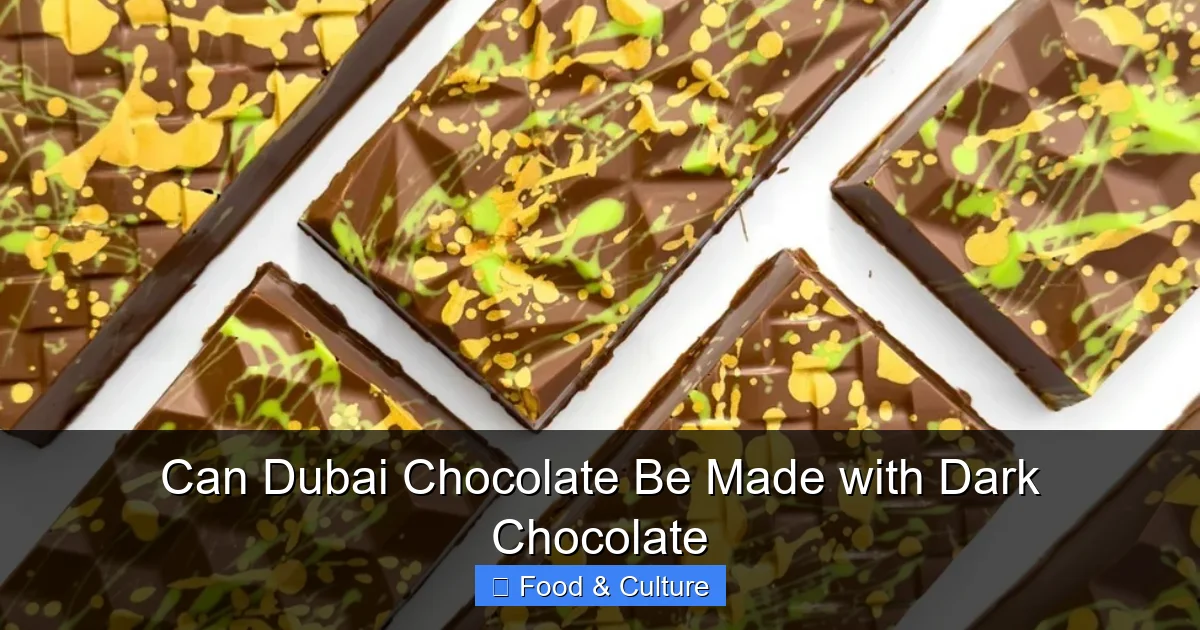
Yes, Dubai chocolate can absolutely be made with dark chocolate—and it’s a delicious upgrade. While traditional versions use milk chocolate, swapping in rich dark chocolate enhances depth, balances sweetness, and adds a sophisticated twist perfect for modern palates.
If you’ve ever wandered through a bustling souk in Dubai or browsed an upscale Middle Eastern patisserie, chances are you’ve encountered the decadent allure of Dubai chocolate. Known for its luxurious texture, rich filling, and often gold-leaf garnish, this confection has become a global sensation—not just as a souvenir, but as a symbol of indulgence and craftsmanship. Traditionally, Dubai chocolate is made with smooth milk chocolate, enveloping a creamy, nut-based center that melts in your mouth. But what if you’re a dark chocolate lover? Can this iconic treat hold its own when reimagined with the deep, complex flavors of dark chocolate?
The short answer? Absolutely. In fact, using dark chocolate might just be the upgrade your Dubai chocolate game has been waiting for. While purists may argue that tradition should be preserved, food culture has always evolved through innovation. From adding saffron to baklava to infusing kunafa with rosewater, Middle Eastern desserts have long embraced bold, unexpected flavors. Swapping milk for dark chocolate isn’t a rebellion—it’s a natural progression. And as more home bakers and professional chocolatiers experiment with premium ingredients, dark chocolate Dubai bars are emerging as a sophisticated alternative that honors the spirit of the original while appealing to modern tastes.
So why consider dark chocolate? For starters, it brings a layer of depth that milk chocolate simply can’t match. The slight bitterness cuts through the sweetness of the filling, creating a more balanced bite. It also complements the nutty, sometimes caramelized notes of the inner layers—think pistachio, date, or tahini—with remarkable harmony. Plus, dark chocolate’s higher cocoa content means a richer mouthfeel and a slower melt, which can enhance the luxurious experience that Dubai chocolate is famous for. Whether you’re making it at home or seeking out artisanal versions, dark chocolate opens up a world of possibilities without sacrificing the essence of what makes this treat so special.
Contents
- 1 Key Takeaways
- 2 Quick Answers to Common Questions
- 3 📑 Table of Contents
- 4 What Is Dubai Chocolate, Exactly?
- 5 Why Dark Chocolate Is a Natural Fit
- 6 How to Make Dark Chocolate Dubai Chocolate at Home
- 7 Cultural Considerations and Modern Interpretations
- 8 Health and Nutritional Benefits
- 9 Pairing Ideas and Serving Suggestions
- 10 The Future of Dubai Chocolate
- 11 Frequently Asked Questions
Key Takeaways
- Dark chocolate enhances flavor complexity: Its bittersweet notes complement the creamy, nutty filling of Dubai chocolate, creating a more balanced and refined taste.
- Texture remains smooth and indulgent: High-quality dark chocolate melts beautifully, preserving the signature silky mouthfeel that defines Dubai chocolate.
- Cultural authenticity isn’t compromised: Using dark chocolate is a creative adaptation, not a betrayal—many Middle Eastern desserts already feature bitter or spiced elements.
- Health benefits increase slightly: Dark chocolate offers antioxidants and lower sugar content, making your homemade version a slightly healthier indulgence.
- Pairing opportunities expand: Dark chocolate Dubai bars pair wonderfully with coffee, red wine, or cardamom-spiced tea, elevating the experience.
- Easy to customize at home: With just a few tweaks to classic recipes, you can craft dark chocolate Dubai bars that rival boutique versions.
- Global trend supports innovation: Artisanal chocolatiers worldwide are reimagining regional sweets with premium ingredients—dark chocolate fits right in.
Quick Answers to Common Questions
Can I use 85% dark chocolate for Dubai chocolate?
Yes, but it may be quite bitter. Balance it with a slightly sweeter filling or add a touch more date syrup or honey to compensate.
Will dark chocolate make the filling too hard?
No—as long as your filling is well-chilled and the chocolate is properly tempered, the texture will remain smooth and creamy.
Is dark chocolate Dubai chocolate suitable for vegans?
Absolutely! Use dairy-free condensed milk, vegan dark chocolate, and maple syrup instead of honey to make it fully plant-based.
Can I freeze dark chocolate Dubai bars?
Yes, they freeze well for up to 2 months. Thaw in the fridge before serving to preserve texture.
Where can I buy dark chocolate Dubai chocolate?
Look for artisanal chocolatiers online or in specialty Middle Eastern grocers. Some brands now offer dark chocolate variants alongside traditional versions.
📑 Table of Contents
What Is Dubai Chocolate, Exactly?
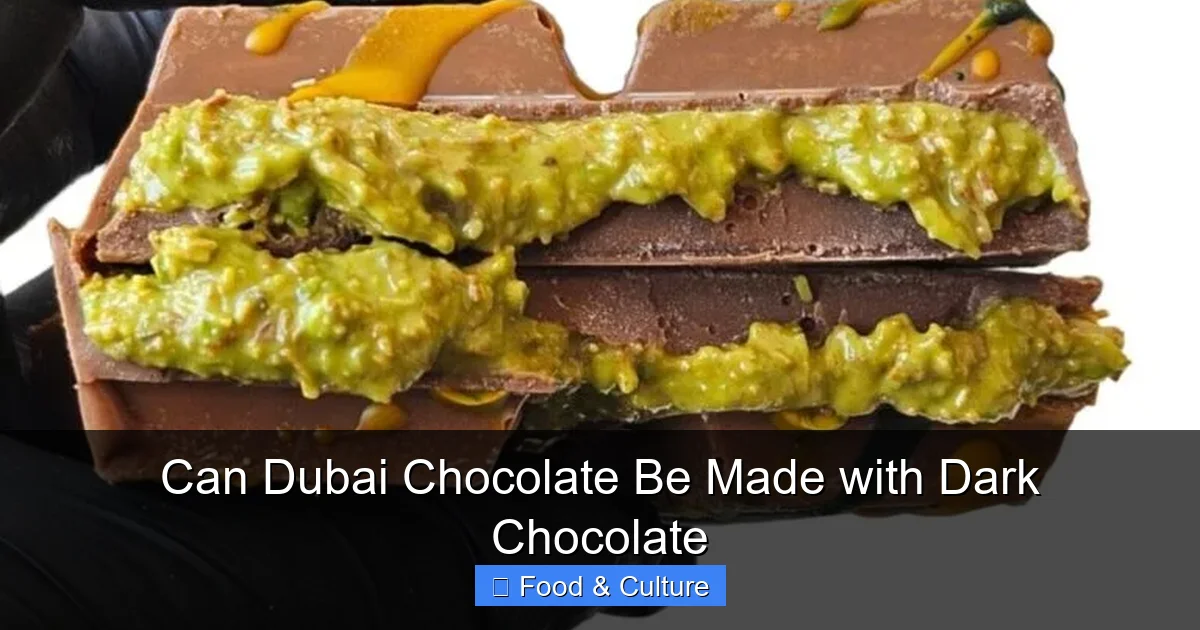
Before diving into whether dark chocolate works, it’s important to understand what Dubai chocolate actually is. Despite its name, Dubai chocolate isn’t a single standardized product—it’s more of a style or category of confectionery that originated in the UAE and has since spread across the Gulf region and beyond. At its core, Dubai chocolate typically features a thin, glossy shell of chocolate (usually milk) surrounding a soft, creamy filling made from ground nuts (like pistachios or almonds), sweetened condensed milk, and sometimes flavors like cardamom, rose, or date syrup. The bars are often rectangular, elegantly wrapped, and sometimes dusted with edible gold leaf for that extra touch of opulence.
The filling is key to its identity. Unlike truffles or ganache-based chocolates, Dubai chocolate’s interior is dense yet melt-in-your-mouth smooth, with a slightly grainy texture from finely ground nuts. This gives it a unique mouthfeel that’s both rich and satisfying. The outer chocolate layer acts as a delicate contrast—crisp when first bitten, then giving way to the velvety center. While milk chocolate has dominated the market due to its crowd-pleasing sweetness and creamy profile, there’s no hard rule saying it must always be used. In fact, many regional variations already play with flavor profiles—some use white chocolate, others incorporate halva or dulce de leche—so experimenting with dark chocolate fits right into this tradition of adaptation.
Why Dark Chocolate Is a Natural Fit

Visual guide about Can Dubai Chocolate Be Made with Dark Chocolate
Image source: theoriginaldubaichocolatebar.com
Dark chocolate isn’t just a trendy swap—it’s a logical and delicious evolution for Dubai chocolate. One of the biggest criticisms of traditional versions is their overwhelming sweetness, which can sometimes mask the nuanced flavors of the filling. Dark chocolate, especially varieties with 60% to 70% cocoa, introduces a pleasant bitterness that acts as a counterpoint, allowing the nuttiness and spice notes to shine. Think of it like pairing a bold red wine with a rich cheese: the contrast elevates both elements.
Moreover, dark chocolate’s flavor profile aligns beautifully with Middle Eastern ingredients commonly used in the filling. Cardamom, for instance, has a warm, slightly citrusy bite that pairs exquisitely with dark chocolate’s roasted depth. Similarly, tahini—a sesame paste often used in modern interpretations—has a nutty, earthy quality that complements dark chocolate’s intensity. Even date syrup, a natural sweetener popular in Gulf desserts, finds a perfect match in dark chocolate, as the caramel-like notes of dates harmonize with cocoa’s natural fruitiness.
Another advantage? Texture. High-quality dark chocolate has a smooth, glossy finish and a satisfying snap when broken—qualities that translate well into the thin shell of a Dubai chocolate bar. It also melts at a similar rate to milk chocolate, so you won’t lose that signature “melt-in-your-mouth” experience. In fact, some chocolatiers argue that dark chocolate provides a more luxurious feel due to its higher fat content and slower melt, which can make each bite feel more deliberate and indulgent.
How to Make Dark Chocolate Dubai Chocolate at Home

Visual guide about Can Dubai Chocolate Be Made with Dark Chocolate
Image source: i.etsystatic.com
Ready to try it yourself? Making dark chocolate Dubai chocolate at home is easier than you might think—and far more rewarding than store-bought versions. The process involves two main components: the filling and the chocolate shell. With a few quality ingredients and some patience, you can create bars that rival those found in luxury boutiques.
Ingredients You’ll Need
For the filling:
– 1 cup finely ground pistachios (or a mix of pistachios and almonds)
– ½ cup sweetened condensed milk (or a dairy-free alternative like coconut condensed milk)
– 2 tablespoons tahini (optional, for richness)
– 1 teaspoon ground cardamom
– 1 tablespoon date syrup or honey (adjust to taste)
– A pinch of sea salt
For the chocolate shell:
– 200g high-quality dark chocolate (60–70% cocoa), chopped
– 1–2 teaspoons coconut oil or cocoa butter (optional, for shine and snap)
Step-by-Step Instructions
1. **Prepare the filling:** In a bowl, mix the ground nuts, condensed milk, tahini (if using), cardamom, date syrup, and salt. Stir until you get a thick, paste-like consistency. If it’s too dry, add a splash more condensed milk; if too wet, add a bit more ground nuts. Taste and adjust sweetness or spice as needed.
2. **Shape the filling:** Line a small rectangular mold or baking dish with parchment paper. Press the filling mixture firmly into the mold, smoothing the top with a spatula. Chill in the refrigerator for at least 1 hour, or until firm.
3. **Temper the dark chocolate (optional but recommended):** Tempering ensures your chocolate has a glossy finish and a crisp snap. To temper, melt two-thirds of the chocolate gently over a double boiler until it reaches 115°F (46°C) for dark chocolate. Remove from heat and stir in the remaining third until the temperature drops to 88–90°F (31–32°C). Test by spreading a small amount on parchment—it should set shiny and firm within 5 minutes.
4. **Enrobe the filling:** Remove the chilled filling from the mold and cut into bars or squares. Melt the tempered (or untempered) dark chocolate with coconut oil until smooth. Dip each piece into the chocolate, using a fork to lift and let excess drip off. Place on a parchment-lined tray.
5. **Set and serve:** Let the chocolates set at room temperature or in the fridge for 15–20 minutes. For an extra touch, sprinkle with crushed pistachios, edible gold dust, or a pinch of flaky sea salt before the chocolate fully hardens.
Tips for Success
– Use a food processor to grind nuts finely—this ensures a smooth, creamy texture.
– Don’t skip chilling the filling; it makes handling much easier.
– If you’re new to tempering, don’t worry—untempered chocolate will still taste great, though it may bloom (develop a whitish haze) over time.
– Experiment with fillings: try adding orange zest, saffron infusion, or a swirl of dulce de leche for unique twists.
Cultural Considerations and Modern Interpretations
Visual guide about Can Dubai Chocolate Be Made with Dark Chocolate
Image source: puredubaichocolates.com
One common concern when adapting traditional foods is whether the change respects cultural roots. In the case of Dubai chocolate, using dark chocolate isn’t a departure from tradition—it’s an extension of it. Middle Eastern cuisine has a long history of balancing sweet and bitter flavors. Think of maamoul filled with dates and walnuts, or qatayef with ricotta and rosewater. Even coffee in the region is often brewed with cardamom and served strong and slightly bitter. Dark chocolate fits seamlessly into this culinary philosophy.
Moreover, Dubai itself is a city of innovation and fusion. As a global hub, it embraces new ideas while honoring its heritage. Local chocolatiers are already experimenting with premium ingredients—saffron-infused ganache, halva swirls, and even matcha layers. Dark chocolate Dubai bars are simply the next step in this creative journey. They appeal to health-conscious consumers, dark chocolate enthusiasts, and anyone looking for a more complex flavor experience.
It’s also worth noting that many traditional desserts in the region use minimally processed, whole ingredients—nuts, dates, spices—which align well with the clean, intense profile of dark chocolate. This makes the combination not just tasty, but culturally coherent.
Health and Nutritional Benefits
While Dubai chocolate is undeniably a treat, using dark chocolate does offer some nutritional upsides. Dark chocolate with 70% or higher cocoa content contains flavonoids—antioxidants linked to improved heart health, reduced inflammation, and better blood flow. It also typically has less sugar than milk chocolate, which can help moderate blood sugar spikes.
The nut-based filling adds protein, healthy fats, and fiber, especially if you use unsweetened nut pastes or reduce the amount of condensed milk. Swapping in date syrup or honey instead of refined sugar further boosts the nutritional profile. Of course, moderation is still key—these are indulgent sweets, not health foods—but choosing dark chocolate allows you to enjoy them with a slightly clearer conscience.
Pairing Ideas and Serving Suggestions
Dark chocolate Dubai bars shine when paired thoughtfully. Their rich, complex flavor invites complementary beverages and accompaniments:
– **Coffee:** A strong Arabic coffee or espresso enhances the chocolate’s depth.
– **Tea:** Cardamom-spiced chai or mint tea offers a refreshing contrast.
– **Wine:** A fruity red like Pinot Noir or a fortified wine like Pedro Ximénez sherry works beautifully.
– **Cheese:** Try with a soft goat cheese or aged manchego for a surprising savory-sweet combo.
Serve them at dinner parties, gift them in elegant boxes, or enjoy one with a quiet moment of reflection—they’re versatile enough for any occasion.
The Future of Dubai Chocolate
As global palates evolve, so too will beloved treats like Dubai chocolate. Dark chocolate versions are already appearing in specialty shops from London to Los Angeles, often marketed as “artisanal” or “premium” editions. Social media has amplified interest, with food influencers showcasing homemade recipes and unique flavor combinations.
This trend reflects a broader shift toward mindful indulgence—people want treats that taste exceptional, tell a story, and offer something beyond mere sweetness. Dark chocolate Dubai bars meet all these criteria. They honor tradition while embracing innovation, satisfying both nostalgia and novelty.
Whether you’re a seasoned chocolatier or a curious home cook, trying your hand at dark chocolate Dubai chocolate is a delicious way to explore flavor, culture, and creativity. And who knows? Your version might just become the next viral sensation.
🎥 Related Video: Dubai Chocolate Recipe | FeelGoodFoodie
📺 Feelgoodfoodie
https://feelgoodfoodie.net/recipe/dubai-chocolate-bar/
Frequently Asked Questions
Is dark chocolate traditionally used in Dubai chocolate?
No, traditional Dubai chocolate typically uses milk chocolate. However, dark chocolate is a modern, innovative adaptation that many now embrace for its deeper flavor.
Does dark chocolate change the texture of Dubai chocolate?
Not significantly. High-quality dark chocolate melts smoothly and sets firmly, maintaining the luxurious mouthfeel that defines Dubai chocolate.
Can I make dark chocolate Dubai chocolate without tempering?
Yes, you can skip tempering, but the chocolate may not have the same glossy finish or crisp snap. It will still taste delicious.
What percentage of dark chocolate works best?
Aim for 60–70% cocoa. This range offers rich flavor without being overly bitter, balancing well with sweet fillings.
Are there cultural concerns about using dark chocolate?
Not really. Middle Eastern cuisine often balances sweet and bitter flavors, so dark chocolate fits naturally within the region’s culinary traditions.
How long do homemade dark chocolate Dubai bars last?
Stored in an airtight container in the fridge, they stay fresh for up to 2 weeks. For longer storage, freeze for up to 2 months.
