
Are you wondering how long you can use a travel system for your baby? Choosing the right travel system is a big decision, and knowing its lifespan can save you time, money, and stress.
You want to make sure your little one stays safe and comfortable as they grow. You’ll discover the key factors that determine how long your travel system will last. Keep reading to learn when it’s time to upgrade and how to get the most out of your investment.
Credit: thesanctuarykitchen.com
Travel System Basics
A travel system is a helpful tool for parents with babies. It combines different baby gear in one set. This makes moving around easier and safer. Understanding the basics helps you know how long you can use it.
Travel systems grow with your child. They offer comfort and convenience. Knowing the parts and benefits can guide your choice.
Components Included
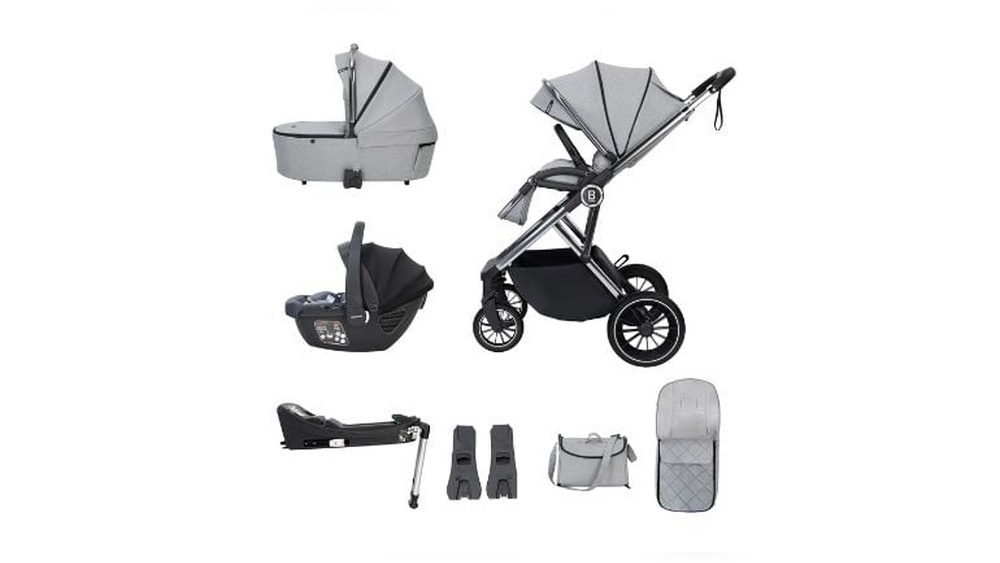
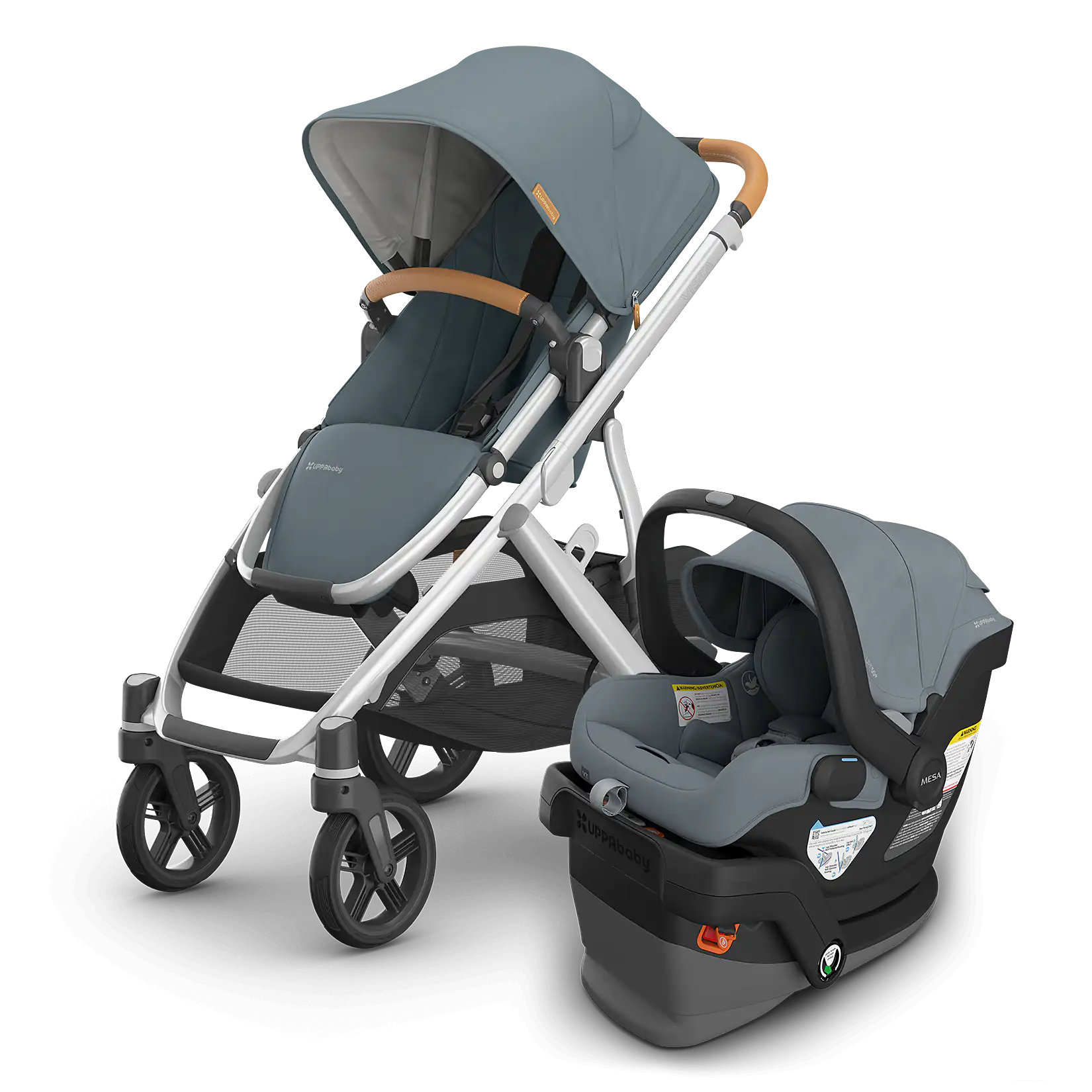
A travel system usually has a car seat and a stroller. The car seat fits into the stroller frame. This means you don’t need to wake your baby to move them.
Some sets also include a base for the car seat. This base stays in the car for quick installation. Other items can be a diaper bag or rain cover.
Purpose And Benefits
The travel system keeps your baby safe during travel. It allows smooth transitions from car to stroller. This helps avoid disturbing the baby’s sleep.
Parents save time and effort using one system for travel. It reduces the need to carry many items. This system also adapts as your baby grows.
Weight And Height Limits
Knowing the weight and height limits of your travel system is key to safe use. Each part of the system has its own limits. Staying within these limits keeps your child safe and comfortable. It also helps you decide how long you can use your travel system.
Infant Car Seat Limits
The infant car seat has strict weight and height rules. Most seats fit babies up to 22 to 35 pounds. Height limits usually range from 29 to 32 inches. Once your baby passes these limits, switch to a bigger car seat. Using the seat beyond its limits can be unsafe.
Stroller Weight Capacity
The stroller part also has a weight limit. Usually, it holds children up to 50 pounds. Some strollers allow more weight, but check your model’s guide. Make sure your child’s weight stays within the limit. Overloading can cause the stroller to break or tip over.
Growth Stages And Usage
Travel systems adapt as your child grows. They offer comfort and safety through key stages. Understanding these stages helps you use the system longer.
Each part of a travel system suits a different age. The car seat fits newborns. The stroller works well as babies grow. Knowing when to switch parts is important.
Newborn To Infant Transition
Newborns need a rear-facing car seat. It keeps their head and neck safe. The travel system often includes this car seat. Use it until your baby reaches the weight or height limit.
The stroller seat may lie flat for newborns. This supports their spine and head. As infants grow, the stroller seat can recline or sit up. This change helps them explore the world safely.
Most travel systems support newborns up to about 12 months. Some allow use until 22 pounds or more. Always check the product manual for exact limits.
Toddler Considerations
Toddlers need more space and support. The stroller seat should be upright and comfortable. Many travel systems fit toddlers up to 50 pounds. This means use can continue until about 3 years old.
Car seats often convert to forward-facing as toddlers grow. This switch depends on your child’s size and local laws. Forward-facing seats provide better visibility and comfort for toddlers.
Watch your toddler’s growth closely. Stop using the travel system once limits are reached. Safety is the top priority at every stage.

Credit: www.interativarc.com.br
Safety Guidelines
Safety is the top priority when using a travel system. These systems combine a car seat and stroller to make travel easier. Knowing how long you can safely use a travel system is key. Follow safety guidelines to protect your child at all times.
Manufacturer Recommendations
Always check the travel system’s manual for use limits. Each product has weight and height limits. These limits tell you when to stop using the car seat or stroller. Follow these rules strictly. Using a travel system beyond these limits can be unsafe.
Manufacturers also suggest when to replace the system. Some parts wear out over time. Look for expiration dates on labels. Use only parts designed for your travel system model. Do not mix and match parts from different brands.
Regular Inspection Tips
Inspect your travel system before every use. Check for cracks, broken parts, or loose straps. Make sure the harness works well and clicks into place. Look for worn padding or fabric tears. These can reduce safety and comfort.
Clean the travel system regularly to prevent dirt buildup. Dirt can affect moving parts and locks. Store the system in a dry place to avoid rust. Fix any issues immediately. A small problem can become dangerous quickly.
Signs To Replace Your Travel System
Knowing when to replace your travel system is important for your child’s safety. Travel systems face daily use and wear. Signs of damage or outdated parts can affect protection. Watch for clear signals to keep your child secure. Here are key signs to check.
Visible Wear And Tear
Check the travel system carefully for cracks or breaks. Worn straps or frayed fabric reduce safety. Loose parts or broken locks can cause accidents. Rust or corrosion on metal pieces is a warning. If you see damage, it is time to replace the system. Do not ignore small tears or weak spots.
Expired Safety Standards
Travel systems have expiration dates from the maker. Old models may not meet new safety rules. Using expired travel systems risks your child’s safety. Check the label or manual for the expiration date. Always follow the manufacturer’s guidance on how long to use it. Updated products offer better protection and comfort.
Extending Travel System Life
Extending the life of your travel system saves money and reduces waste. It also keeps your baby safe and comfortable for longer. Regular care and smart upgrades help your travel system last beyond the first year. Small actions make a big difference in durability and performance.
Proper Maintenance
Clean your travel system often to prevent dirt buildup. Use mild soap and water on fabric parts. Wipe metal and plastic pieces with a damp cloth. Check wheels and brakes for damage regularly. Tighten loose screws or bolts to avoid accidents. Store the system in a dry place to stop rust and mold. Follow the manufacturer’s instructions for care and cleaning. Well-maintained travel systems perform better and stay safe longer.
Accessory Upgrades
Add new accessories to improve comfort and function. Use weather shields to protect your child from rain or wind. Install a cup holder or storage bag for convenience. Swap out worn-out seat cushions or straps. Choose parts compatible with your travel system model. Upgrades keep the system fresh and more useful. They also adapt the travel system as your baby grows. This helps you use the system for more months or years.

Credit: bambinosandbeyond.co.uk
Frequently Asked Questions
How Long Can A Baby Use A Travel System?
A baby can use a travel system up to 3 years old or 50 pounds. Always check the manufacturer’s weight and height limits for safety.
When Should You Stop Using The Infant Car Seat?
Stop using the infant car seat when your baby exceeds the weight or height limit. Usually, this is around 12 months old.
Can Toddlers Use Travel System Strollers?
Yes, toddlers can use travel system strollers if they fit within the weight and height restrictions. Most systems accommodate children up to 50 pounds.
How To Know When To Switch From Car Seat To Stroller?
Switch when your child outgrows the infant car seat or shows discomfort. Follow the travel system’s guidelines for proper transition timing.
Conclusion
Travel systems can be used for many months, depending on your child’s growth. Most babies use them from birth to around one year old. Check the weight and height limits regularly. Replace the system if it becomes unsafe or uncomfortable.
Comfort and safety matter most during travel. Choosing the right time to stop helps your child stay happy. Keep these tips in mind for easy travel with your little one.
