
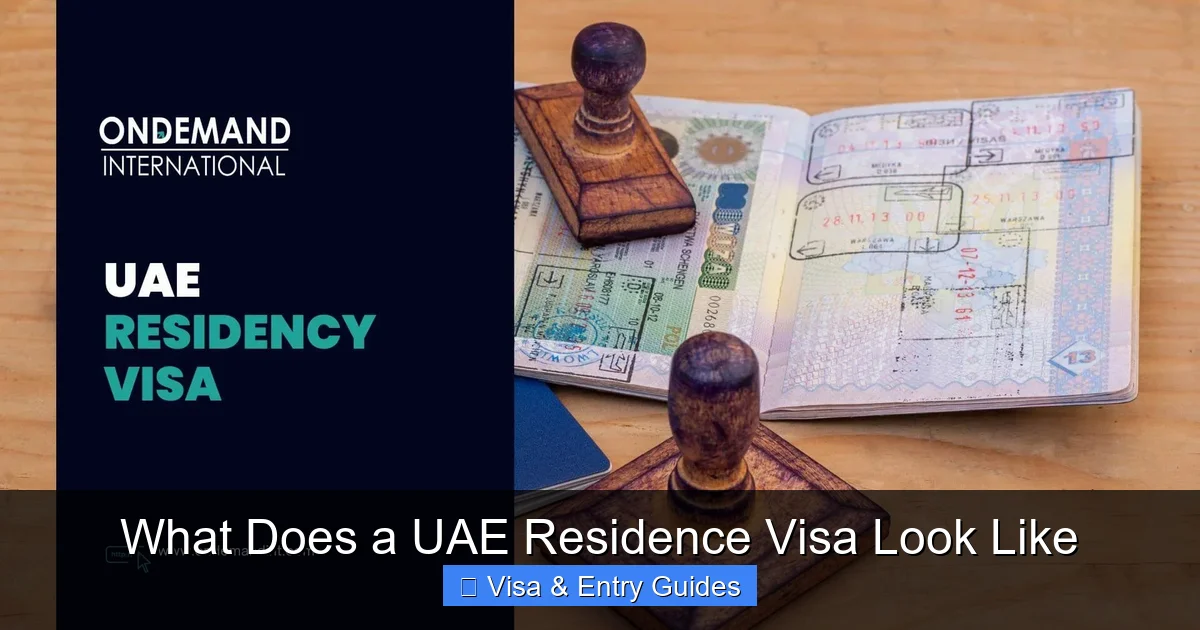
Curious about what a UAE residence visa looks like? This guide breaks down the physical appearance, security elements, and key information printed on the visa sticker and Emirates ID. Whether you’re applying for the first time or renewing, understanding its format helps you spot fake documents and stay compliant.
So, you’ve just moved to the UAE—or you’re planning to—and you’re wondering, “What does a UAE residence visa actually look like?” Great question! Whether you’re working, studying, or joining family, a residence visa is your golden ticket to legally living in the Emirates. It’s not just a piece of paper; it’s your official proof of stay, tied to your identity, work status, and even your bank account.
But what does it really look like? Is it a stamp? A sticker? A card? And how can you tell if it’s real? In this guide, we’ll walk you through everything you need to know about the appearance, structure, and features of a UAE residence visa. We’ll also cover how it connects to your Emirates ID—because yes, they’re related, but they’re not the same thing. Think of the visa as your entry permission and the Emirates ID as your daily ID card. Both are essential, and both have distinct looks and functions.
By the end of this article, you’ll know exactly what to expect when you receive your visa, how to verify it, and why its design matters. Whether you’re an expat, a student, or a business traveler, understanding your visa helps you stay compliant and avoid common pitfalls. Let’s dive in.
Contents
- 1 Key Takeaways
- 2 Quick Answers to Common Questions
- 3 📑 Table of Contents
- 4 What Is a UAE Residence Visa?
- 5 Physical Appearance of the UAE Residence Visa
- 6 Security Features: How to Spot a Fake Visa
- 7 Emirates ID: The Companion to Your Residence Visa
- 8 How to Check and Renew Your UAE Residence Visa
- 9 Common Mistakes to Avoid
- 10 Conclusion
- 11 Frequently Asked Questions
Key Takeaways
- Physical Format: The UAE residence visa is a sticker placed in your passport, featuring a unique barcode, photo, and personal details.
- Emirates ID Connection: Your residence visa is linked to your Emirates ID, which serves as your official ID card in the UAE.
- Security Features: Holograms, UV elements, and microprinting prevent forgery and ensure authenticity.
- Validity Period: Most visas are valid for 1, 2, or 3 years, depending on the sponsor and visa type.
- Digital Access: You can view and verify your visa online via the ICA or GDRFA portals.
- Renewal Reminder: Always check expiry dates—overstaying can lead to fines or deportation.
- Design Updates: The UAE periodically updates visa designs for enhanced security and clarity.
Quick Answers to Common Questions
Is the UAE residence visa a sticker or a card?
The UAE residence visa is a sticker affixed to your passport, not a standalone card. It contains your photo, personal details, and a scannable barcode.
Can I travel with just my Emirates ID?
No. You need your passport with the valid residence visa sticker to enter or exit the UAE. The Emirates ID is for domestic use only.
How long is a UAE residence visa valid?
Most residence visas are valid for 1, 2, or 3 years, depending on the sponsor and visa type (e.g., work, family, investor).
Can I check my visa status online?
Yes. Use the ICA or GDRFA official websites or mobile apps to verify your visa details, including expiry date and sponsor information.
What happens if my visa expires?
Overstaying results in fines (AED 50/day), possible deportation, and a ban from re-entering. Always renew before the expiry date.
📑 Table of Contents
What Is a UAE Residence Visa?
A UAE residence visa, often called a “residency visa” or “RP” (Residence Permit), is an official document issued by the Federal Authority for Identity, Citizenship, Customs & Port Security (ICA) that allows foreigners to live and work in the UAE for a set period. It’s typically sponsored by an employer, family member, or property owner, depending on the visa type.
Unlike a tourist visa, which is usually valid for 30 or 90 days, a residence visa grants long-term stay—commonly 1, 2, or 3 years—and comes with more rights, like opening a bank account, renting a home, or enrolling children in school. The visa itself is not a standalone card. Instead, it’s printed as a sticker and affixed directly into your passport. This sticker contains your photo, personal details, visa number, and a scannable barcode.
But here’s the catch: the sticker alone isn’t enough for daily life. That’s where the Emirates ID comes in. Once your residence visa is approved, you must apply for an Emirates ID card, which becomes your primary identification document in the UAE. The two are linked—your Emirates ID number matches your visa file—so both must be kept current.
Physical Appearance of the UAE Residence Visa
Visual guide about What Does a UAE Residence Visa Look Like
Image source: kpmpro.ae
So, what does the actual visa sticker look like? Let’s break it down.
The UAE residence visa is a rectangular sticker, usually about 8 cm wide and 6 cm tall, placed in a blank page of your passport. It features a light blue or white background with text in both English and Arabic. The design is clean and professional, with a mix of printed text, a photo, and advanced security elements.
At the top, you’ll see the official UAE emblem—a golden falcon with outstretched wings—surrounded by Arabic script. Below that, the words “United Arab Emirates” and “Residence Permit” appear in bold. Your photo is positioned on the left side, usually in color and passport-style. Next to it, you’ll find your full name, nationality, date of birth, passport number, and place of birth.
On the right side, key visa details are listed: the visa number (a 15-digit code), the sponsor’s name (your employer or family member), the visa type (e.g., work, family, investor), and the issue and expiry dates. There’s also a machine-readable zone at the bottom, similar to a passport, with two lines of text that scanners can read.
One of the most important features is the barcode or QR code, usually located near the bottom right. This can be scanned at immigration checkpoints or by employers to instantly verify your visa status. Some newer versions also include a small RFID chip embedded in the sticker, though this is more common in the Emirates ID card.
Color and Design Variations
While the basic layout remains consistent, the color and design of the visa sticker can vary slightly depending on the emirate and the issuing authority. For example, visas processed through Dubai’s General Directorate of Residency and Foreigners Affairs (GDRFA) may have a slightly different shade of blue or font style compared to those from Abu Dhabi or Sharjah.
Additionally, the UAE has introduced updated designs over the years to improve security and readability. Older visas (pre-2018) may look more basic, with fewer security features and less detailed printing. Newer versions include sharper images, better alignment, and enhanced holograms.
It’s also worth noting that certain visa types—like the Golden Visa for investors or the Green Visa for freelancers—may have special markings or color accents to distinguish them. However, the core information remains the same.
Security Features: How to Spot a Fake Visa
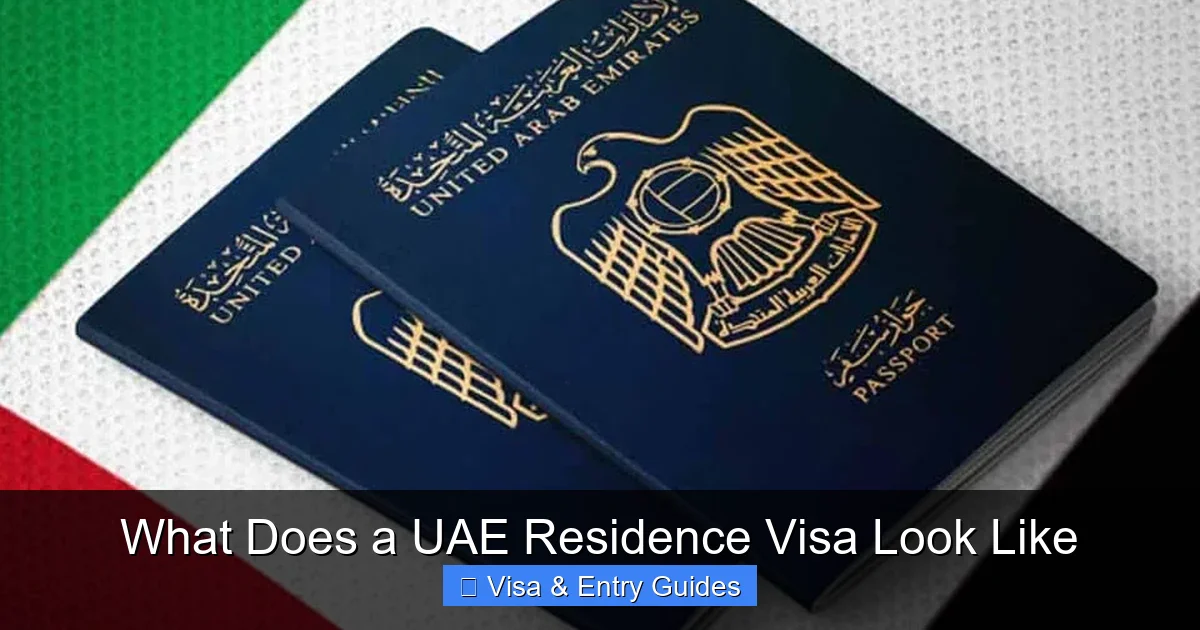
Visual guide about What Does a UAE Residence Visa Look Like
Image source: lawbridgecorporate.com
With so many people moving to the UAE, fake visas have become a concern. That’s why the government has invested heavily in anti-counterfeiting technology. Knowing these security features can help you verify your own visa and avoid scams.
One of the most noticeable features is the holographic foil strip, usually running vertically down the center or side of the sticker. When tilted, it shows shifting images—like the UAE flag, the number “UAE,” or a microprinted pattern. This foil is extremely difficult to replicate.
Another key feature is UV (ultraviolet) printing. Under a blacklight, certain elements glow—such as hidden text, patterns, or even your photo. For example, your name might appear in invisible ink that only shows up under UV light. This is a common way immigration officers verify authenticity at airports.
Microprinting is another safeguard. Tiny text, often appearing as a solid line to the naked eye, becomes readable under magnification. It might say “UAE” or “Residence Permit” in minuscule letters along the border or near the photo.
The photo itself is also protected. It’s usually laser-engraved or printed with high-resolution technology, making it hard to alter. Some visas even include a ghost image—a faded duplicate of your photo—to prevent photo swapping.
Finally, the barcode and QR code are encrypted and linked to the ICA database. Scanning it should pull up your official record. If it doesn’t, or if the information doesn’t match, the visa may be fake.
Tip: Always Verify Online
Even with all these features, the best way to confirm your visa is real is to check it online. You can do this through the ICA’s official website (https://icp.gov.ae) or the GDRFA portal (https://www.gdrfad.gov.ae). Just enter your passport number, nationality, and visa number, and the system will display your details. If nothing shows up, contact your sponsor or immigration office immediately.
Emirates ID: The Companion to Your Residence Visa
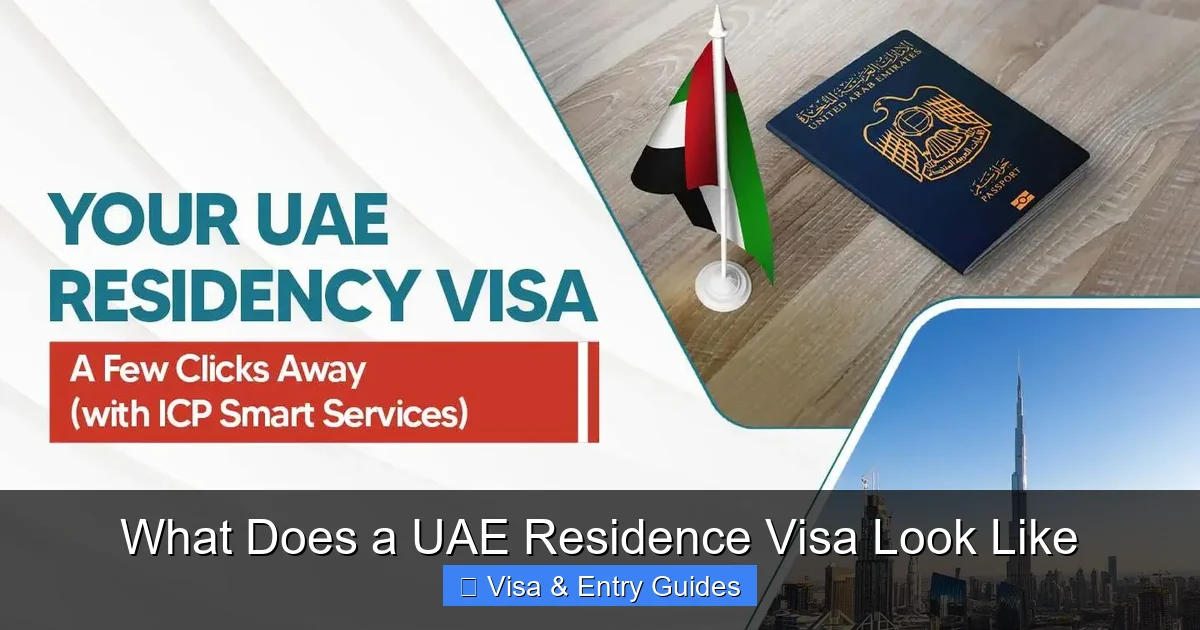
Visual guide about What Does a UAE Residence Visa Look Like
Image source: shuraa.com
Now, let’s talk about the Emirates ID—the card you’ll use every day. While the residence visa is in your passport, the Emirates ID is a plastic card, similar to a driver’s license or national ID. It’s issued by the ICA and is mandatory for all residents over 15 years old.
The Emirates ID card is white with a light blue or gold border and features the UAE emblem at the top. Your photo is on the left, and your personal details—name, nationality, date of birth, and Emirates ID number—are printed on the front. The back includes your address, sponsor information, and a magnetic stripe or chip for electronic verification.
One key difference? The Emirates ID has a built-in RFID chip that stores your biometric data, including fingerprints. This allows for quick verification at government offices, airports, and even some private businesses.
Your Emirates ID number is directly linked to your residence visa. In fact, when you apply for the visa, you’re also registering for the ID. Both documents must be renewed at the same time—usually every 1–3 years—and both must be valid to avoid fines.
Why Both Are Important
You might wonder: “Do I really need both?” Yes! The residence visa proves your legal right to stay in the UAE. Without it, you can’t enter or remain in the country. The Emirates ID, on the other hand, is your daily ID—required for everything from opening a bank account to visiting a hospital.
Think of it this way: the visa is your “permission slip” to live in the UAE, and the Emirates ID is your “ID card” that proves who you are while you’re here. Both are essential, and both must be kept up to date.
How to Check and Renew Your UAE Residence Visa
Keeping track of your visa’s expiry date is crucial. Overstaying—even by one day—can result in fines starting at AED 50 per day, and in extreme cases, deportation or a ban from re-entering.
The good news? Checking your visa status is easy. You can do it online via the ICA or GDRFA websites, or through the ICA Smart Services app. Just enter your passport details, and you’ll see your visa type, issue date, and expiry date.
Renewal depends on your sponsor. If you’re employed, your employer typically handles the renewal process. For family-sponsored visas, the sponsor (usually a spouse or parent) must initiate the renewal. Investors and property owners may renew independently.
The renewal process usually takes 5–10 working days and involves medical tests, biometric registration, and Emirates ID renewal. Always start the process at least 30 days before expiry to avoid complications.
Pro Tip: Set Reminders
Use your phone calendar or a visa tracking app to set reminders 60 and 30 days before your visa expires. This gives you plenty of time to gather documents and avoid last-minute stress.
Common Mistakes to Avoid
Even with all this information, people still make mistakes. Here are a few to watch out for:
– Assuming the visa and Emirates ID are the same thing (they’re not).
– Not checking the visa sticker for errors after issuance (always review it immediately).
– Letting the visa expire without renewal (fines add up fast).
– Losing the passport with the visa sticker (replacement is possible but complicated).
– Falling for fake visa services online (only use official government portals).
Conclusion
So, what does a UAE residence visa look like? It’s a secure, professionally printed sticker in your passport, packed with personal details, a photo, and advanced anti-fraud features. It’s your legal gateway to living in the UAE, and it works hand-in-hand with your Emirates ID card.
Understanding its appearance, security elements, and renewal process helps you stay compliant and avoid common pitfalls. Whether you’re a new expat or a long-term resident, knowing what to look for gives you peace of mind and keeps you on the right side of the law.
Remember: always verify your visa online, keep both your visa and Emirates ID current, and never ignore expiry dates. The UAE is a welcoming place for residents from around the world—but only if you follow the rules.
Frequently Asked Questions
What is the difference between a UAE residence visa and an Emirates ID?
The residence visa is a sticker in your passport that grants you legal permission to live in the UAE. The Emirates ID is a physical card used for daily identification and is linked to your visa.
Can I renew my UAE residence visa myself?
It depends on your visa type. Employees usually renew through their employer, while investors or family-sponsored residents may apply directly via ICA or GDRFA.
Do I need a medical test for a UAE residence visa?
Yes, most applicants must undergo a medical test for infectious diseases like tuberculosis and hepatitis at an approved health center.
Can I work in the UAE with a family-sponsored residence visa?
Generally, no. Family-sponsored visas do not allow employment unless you obtain a separate work permit or switch to an employment visa.
Is the UAE residence visa the same in all emirates?
The core design and information are standardized, but minor variations in color or layout may exist depending on the emirate (e.g., Dubai vs. Abu Dhabi).
What should I do if my visa sticker is damaged?
Contact your sponsor or the nearest ICA/GDRFA office immediately. You may need to apply for a replacement visa to avoid legal issues.
