
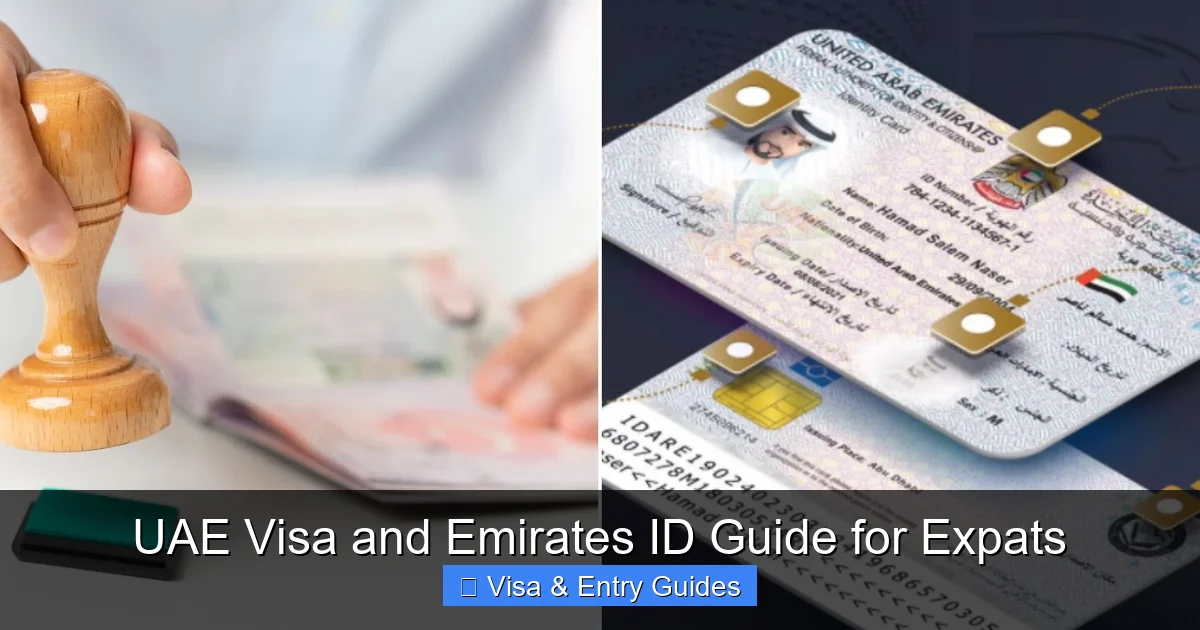
Moving to the UAE? This guide covers everything you need to know about UAE visas and Emirates ID. From work permits to residency rules, we break down the process simply and clearly.
Contents
- 1 Key Takeaways
- 2 Quick Answers to Common Questions
- 3 📑 Table of Contents
- 4 Introduction: Your Gateway to Life in the UAE
- 5 Understanding UAE Visa Types
- 6 The Emirates ID: Your Official Identity in the UAE
- 7 Step-by-Step: Applying for a UAE Visa and Emirates ID
- 8 Renewals, Expiry, and Common Pitfalls
- 9 Special Cases: Golden Visa, Domestic Workers, and More
- 10 Conclusion: Stay Prepared, Stay Compliant
- 11 Frequently Asked Questions
Key Takeaways
- UAE visas are tied to your sponsor: Most expats enter on employment, family, or investor visas sponsored by employers or relatives.
- Emirates ID is mandatory: You must apply for it within 30 days of arriving in the UAE—it’s your official ID for banking, healthcare, and more.
- Visa types vary by purpose: Work, tourist, student, and golden visas each have different requirements and durations.
- Biometrics are required: Fingerprinting and photo capture are part of the Emirates ID process at authorized centers.
- Renewals must be timely: Both visa and Emirates ID expire—late renewals can lead to fines or legal issues.
- Tourists can extend stays: Visitors on tourist visas may apply for extensions through airlines or typing centers.
- Golden Visa offers long-term residency: Available to investors, entrepreneurs, and skilled professionals for up to 10 years.
Quick Answers to Common Questions
How long does it take to get an Emirates ID?
Processing typically takes 5 to 7 working days after biometrics are completed. You’ll receive a temporary paper ID immediately.
Can I work on a tourist visa in the UAE?
No. Tourist visas do not permit employment. You must have a valid work visa sponsored by a UAE employer.
What happens if I overstay my UAE visa?
Overstaying results in daily fines (AED 50–100 per day), possible deportation, and a ban from re-entering the UAE.
Can I sponsor my parents for a UAE visa?
Yes, if you meet income requirements (usually AED 15,000+ monthly) and provide suitable housing. The visa is typically valid for one year.
Is the Emirates ID required for children?
Yes, all residents under 18 must have an Emirates ID. Parents apply on their behalf using the child’s passport and birth certificate.
📑 Table of Contents
- Introduction: Your Gateway to Life in the UAE
- Understanding UAE Visa Types
- The Emirates ID: Your Official Identity in the UAE
- Step-by-Step: Applying for a UAE Visa and Emirates ID
- Renewals, Expiry, and Common Pitfalls
- Special Cases: Golden Visa, Domestic Workers, and More
- Conclusion: Stay Prepared, Stay Compliant
Introduction: Your Gateway to Life in the UAE
Moving to the United Arab Emirates (UAE) is an exciting step—whether you’re chasing career opportunities, starting a business, or joining family. But before you can enjoy the sun-soaked beaches, tax-free salaries, and world-class infrastructure, you’ll need two essential documents: a valid UAE visa and an Emirates ID. These aren’t just bureaucratic formalities; they’re your legal keys to living, working, and thriving in the Emirates.
Many expats feel overwhelmed by the process, especially when navigating government portals, medical tests, and biometrics. The good news? It’s simpler than it seems—once you know the steps. This guide walks you through everything you need to understand about UAE visas and Emirates ID, from types and eligibility to application timelines and common pitfalls. Think of it as your friendly, no-nonsense roadmap to getting settled in Dubai, Abu Dhabi, or any of the seven emirates.
Understanding UAE Visa Types
The UAE offers several visa categories, each designed for different purposes and durations. Your visa type determines how long you can stay, whether you can work, and who sponsors your stay.
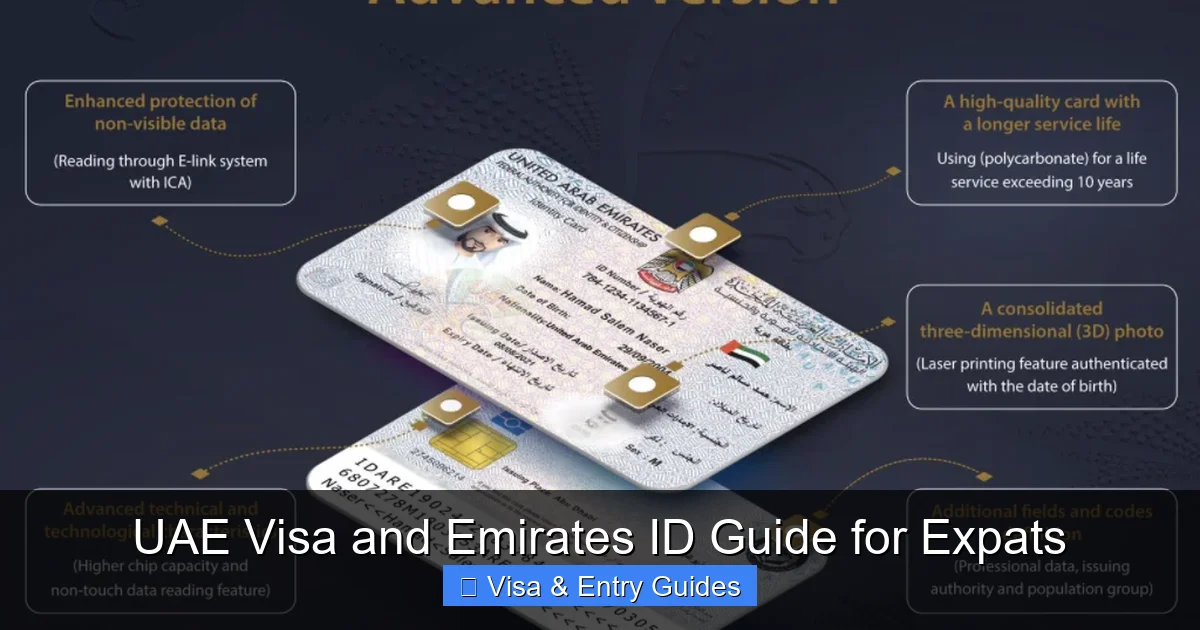
Visual guide about UAE Visa and Emirates ID Guide for Expats
Image source: cdn.lovin.co
Employment Visa
This is the most common visa for expats. Sponsored by your UAE employer, it’s valid for two or three years and allows you to work legally. To qualify, you’ll need a job offer and a labor contract approved by the Ministry of Human Resources and Emiratisation (MOHRE). Once your employer applies, you’ll undergo a medical test and biometric screening before receiving your residence permit.
Family Visa
If you’re moving to join a spouse, parent, or child who’s already a UAE resident, you may apply for a family visa. The sponsor must meet minimum salary requirements (usually AED 4,000 per month, or AED 3,000 plus housing). This visa allows you to live in the UAE but not work unless you secure a separate work permit.
Tourist Visa
Perfect for short visits, tourist visas are available for 30 or 90 days and can be obtained through airlines, hotels, or travel agencies. UAE residents can also sponsor tourist visas for friends or family. Extensions are possible—up to 90 additional days—but must be applied for before expiry to avoid fines.
Student Visa
Issued to international students enrolled in UAE-accredited universities, this visa is sponsored by the educational institution. It’s typically valid for one year and renewable annually. Students may work part-time with university approval.
Golden Visa
Launched in 2019, the Golden Visa offers long-term residency (5 or 10 years) to investors, entrepreneurs, scientists, and outstanding students. Investors need to put at least AED 2 million into a UAE business or property. This visa provides greater stability and doesn’t require a local sponsor.
The Emirates ID: Your Official Identity in the UAE
Once you’ve secured your visa, the next critical step is applying for an Emirates ID. This small plastic card is more than just identification—it’s your lifeline to essential services.
Visual guide about UAE Visa and Emirates ID Guide for Expats
Image source: duqe.ae
Why You Need an Emirates ID
You’ll need your Emirates ID to open a bank account, sign a lease, get a mobile phone plan, access healthcare, and even enroll your kids in school. Without it, daily life becomes extremely difficult. The ID contains your personal details, photo, and biometric data, making it one of the most secure identity documents in the world.
Who Must Apply?
All UAE residents—including dependents and domestic workers—must obtain an Emirates ID. Tourists are exempt, but anyone staying longer than 30 days needs one. New residents have 30 days from arrival to apply.
How to Apply for an Emirates ID
The process is straightforward but requires in-person visits. Start by submitting your application online through the Federal Authority for Identity, Citizenship, Customs & Port Security (ICP) website or app. Upload your passport copy, visa page, and photo. Then, visit an authorized typing center or ICP service center to complete biometrics—fingerprints and a photo.
Processing usually takes 5 to 7 working days. You’ll receive a temporary paper ID immediately, which is valid until your plastic card arrives by mail or at a pickup center. Keep both safe—losing your Emirates ID can delay important transactions.
Step-by-Step: Applying for a UAE Visa and Emirates ID
Let’s walk through the typical process for a new expat arriving on an employment visa. While timelines may vary slightly by emirate, the core steps remain consistent.
Visual guide about UAE Visa and Emirates ID Guide for Expats
Image source: onestopinternational.com
Step 1: Secure a Job Offer
Your employer must first obtain a work permit from MOHRE. This involves submitting your qualifications, job description, and contract details. Once approved, they’ll apply for your entry permit (also called a work visa or residence visa).
Step 2: Enter the UAE
Use your entry permit to enter the country. This document is usually valid for 60 days and allows a single entry. Make sure your passport has at least six months’ validity.
Step 3: Complete Medical Screening
Within 30 days of arrival, visit a government-approved medical center for a health check. This includes tests for tuberculosis, hepatitis, and HIV. If you pass, you’ll receive a fitness certificate—required for your residence visa.
Step 4: Apply for Emirates ID
Submit your Emirates ID application online, then visit a typing center for biometrics. You’ll get a temporary ID right away.
Step 5: Get Your Residence Visa Stamped
Your employer will handle this step, submitting your medical results, Emirates ID application receipt, and passport to the General Directorate of Residency and Foreigners Affairs (GDRFA). Once approved, your residence visa is stamped in your passport.
Step 6: Collect Your Emirates ID Card
Your plastic Emirates ID card will arrive within a week. Keep it with you at all times—it’s required for most official transactions.
Pro Tip: Use the ICP app to track your application status and receive notifications. It saves time and reduces stress.
Renewals, Expiry, and Common Pitfalls
Staying compliant with UAE immigration rules is crucial. Late renewals can lead to fines, deportation, or bans on re-entry.
Visa Renewals
Most employment and family visas are valid for two or three years. Your sponsor (employer or family member) must initiate the renewal before expiry. The process is similar to the initial application: medical test, Emirates ID renewal, and passport stamping.
Emirates ID Renewal
Your Emirates ID expires on the same date as your visa. Renew it online through the ICP portal. If your visa is renewed, your ID will be automatically updated—no need to reapply from scratch. However, if your personal details change (e.g., name or photo), you’ll need to submit updated documents.
Common Mistakes to Avoid
- Missing the 30-day Emirates ID deadline: Fines start at AED 2,000 and increase daily.
- Traveling with an expired visa: Overstaying can result in deportation and a ban from re-entering.
- Ignoring medical test requirements: Failing the test may delay your visa or require treatment before approval.
- Not updating your Emirates ID after marriage or name change: This can cause issues with banking and legal documents.
Special Cases: Golden Visa, Domestic Workers, and More
Not all residency situations fit the standard mold. Here’s how special categories work.
Golden Visa Holders
If you qualify for a Golden Visa, you’ll apply directly through the ICP or relevant authority (e.g., Dubai’s GDRFA or Abu Dhabi’s ICP office). The process includes document verification, background checks, and biometrics. Once approved, you’ll receive a long-term Emirates ID and can sponsor family members.
Domestic Workers
Nannies, drivers, and housekeepers sponsored by UAE residents must also obtain an Emirates ID. Their visa is tied to the employer, and both documents must be renewed annually. Employers are responsible for all application steps and costs.
Freelancers and Remote Workers
The UAE now offers freelance permits and remote work visas (e.g., Dubai’s Remote Work Visa). These allow you to live in the UAE while working for overseas employers. You’ll still need to apply for an Emirates ID and follow standard residency procedures.
Conclusion: Stay Prepared, Stay Compliant
Getting your UAE visa and Emirates ID might seem like a maze at first, but with the right information, it’s entirely manageable. The key is to stay organized, meet deadlines, and keep your documents up to date. Whether you’re here for a few years or planning a long-term stay, these two documents are your foundation for a smooth, legal, and stress-free life in the Emirates.
Remember: your employer or sponsor plays a big role, but you’re responsible for knowing the rules. Use official government portals like the ICP website and GDRFA apps to stay informed. And when in doubt, consult a licensed immigration consultant or lawyer. Welcome to the UAE—your adventure starts now.
Frequently Asked Questions
How much does a UAE visa cost?
Costs vary by visa type. Employment visas typically range from AED 2,000 to AED 5,000, including medical tests and Emirates ID fees. Tourists can get visas for as low as AED 100.
Can I apply for a UAE visa without a job offer?
Yes, through tourist visas, investor visas, or freelance permits. However, most long-term residents need a sponsor, such as an employer or family member.
Do I need to renew my Emirates ID if my visa is renewed?
Yes, but the renewal is often automatic. If your visa is extended, your Emirates ID validity updates accordingly—no need to reapply unless your details change.
Where can I apply for an Emirates ID?
Apply online via the ICP website or app, then visit an authorized typing center or ICP service center for biometrics and photo capture.
Can I travel within the UAE without my Emirates ID?
While not always checked, you should carry it at all times. It’s required for hotels, banks, and government services.
What documents are needed for a family visa?
You’ll need the sponsor’s passport copy, Emirates ID, salary certificate, tenancy contract, and your relationship proof (marriage or birth certificate).
